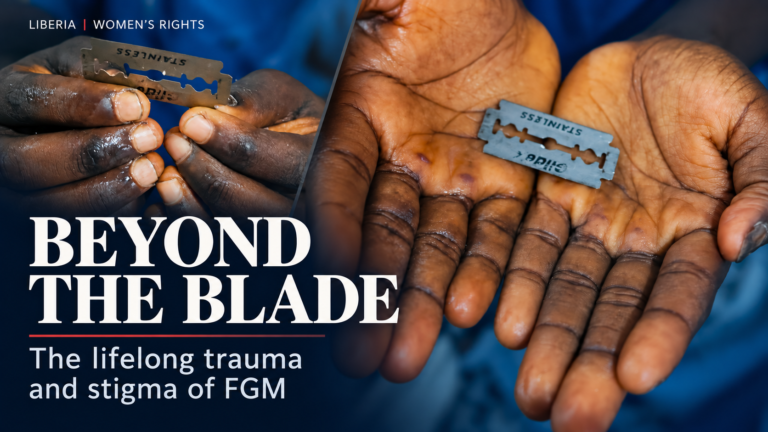

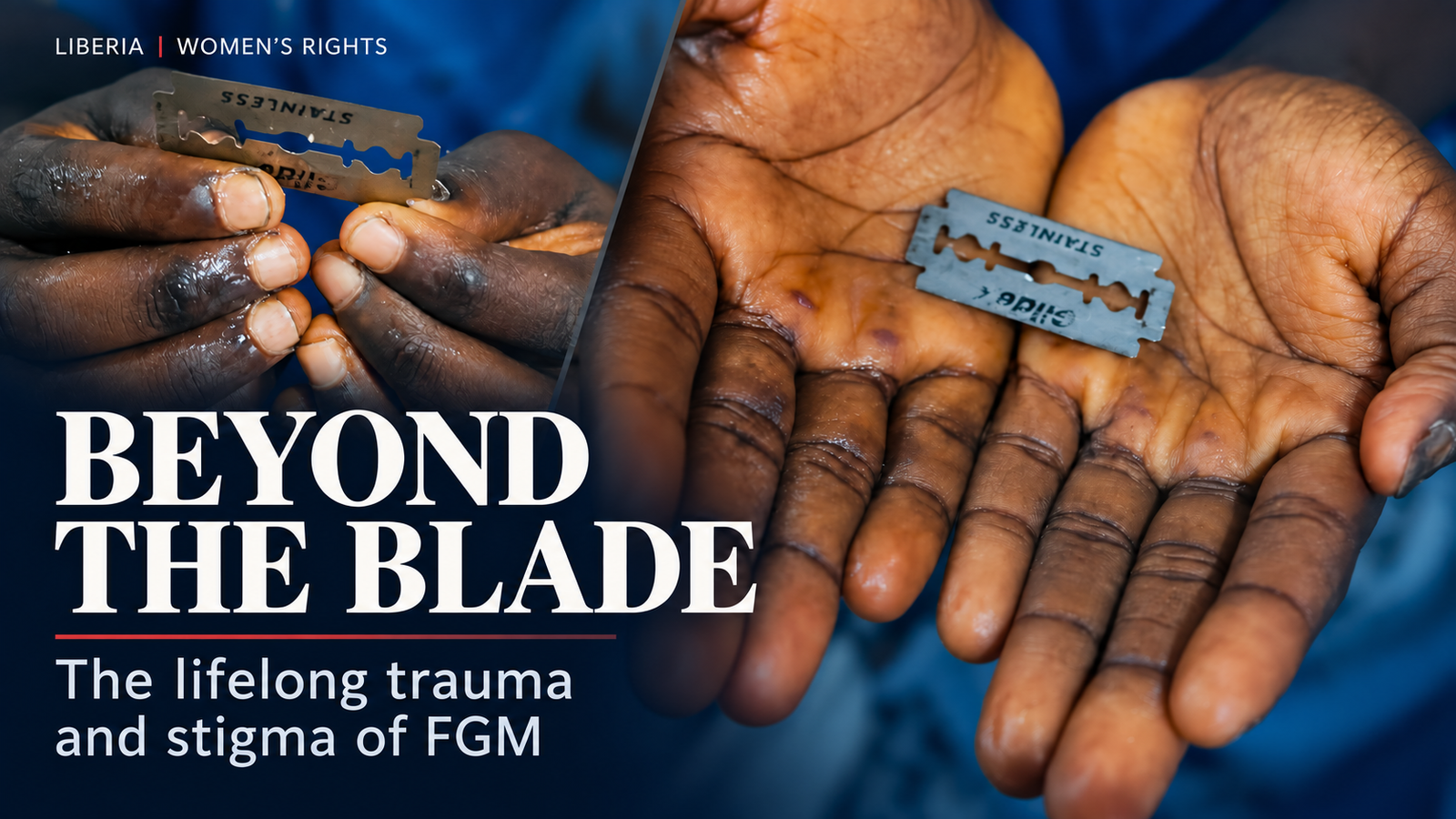
For 45-year-old trader Nancy Momo, a routine business trip from Monrovia to Weala Town in Margibi County turned into a nightmare of betrayal, forced initiation and social isolation.
Nancy said she had gone to the town to buy goods for her business. Early one Saturday morning, she was purchasing bags of oranges, bunches of plantains and other produce from women arriving from surrounding towns and villages.
When she could not find the palm nuts she needed, she asked for directions. Her aunt, who lives in Weala, offered to take her to a neighboring town where she could buy them at reasonable prices.
Upon reaching the town, however, her aunt suddenly fell silent. She then excused herself, saying she needed to relieve herself, and told Nancy to wait near the entrance.
A few minutes later, Nancy said, a group of women she did not know attacked her and dragged her into the Sande bush. She said her aunt had arranged the ambush without her knowledge.
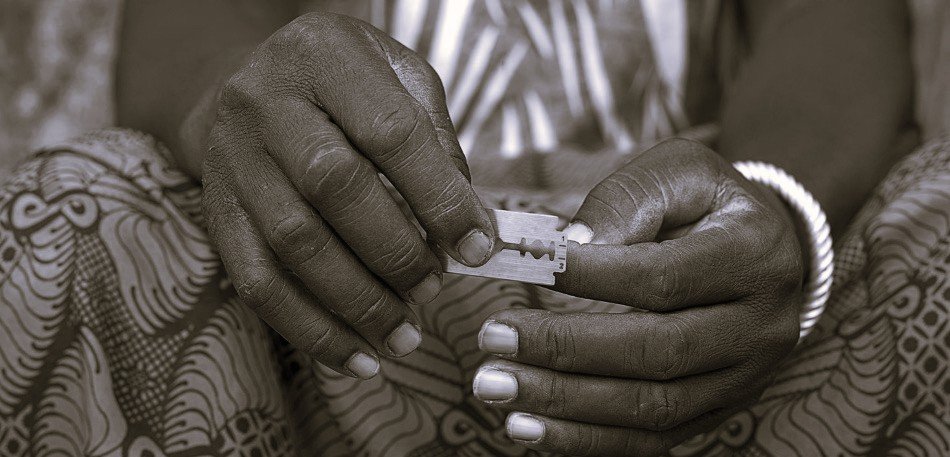
Nancy said she spent three months confined in the bush before traditional leaders and elders released her. By then, all the goods she had bought had spoiled.
During her confinement, she said, a friend lent her L$15,000 to buy clothes and cover other expenses required for the bush school’s traditional ceremony.
Her return to Monrovia brought further hardship. The man she had planned to marry packed his belongings and left their home. With her goods lost and no one willing to help her raise money to resume trading, she struggled financially.
Her foster parents in the United States had previously supported her. But that assistance ended, she said, after relatives learned she had been taken into the Sande bush.
According to Nancy, her siblings told the family abroad that she had been initiated into a “demonic cult.” Her foster parents withdrew their support, fearing their money would be used for occult purposes, she said.
Nancy described the social isolation she continues to face and the anger she feels toward the aunt she holds responsible.
“From childhood I never liked the act of going to the Sande bush. I been against forceful initiation, and this was what my aunt did to me. I hate to see the ground she walked, and I will never forgive her for such,” she said.
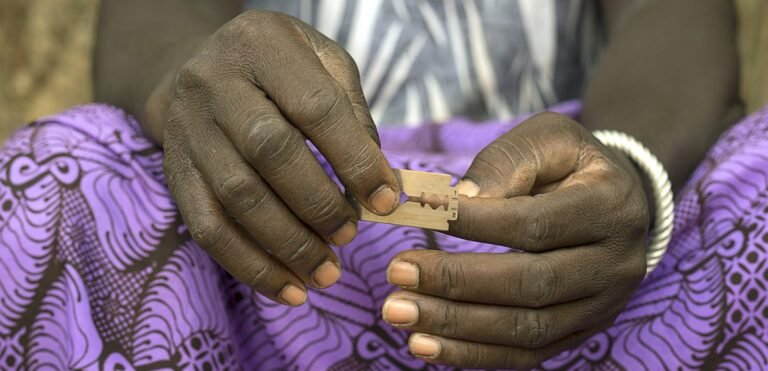
In October 2025, President Joseph Boakai submitted legislation seeking to permanently ban female genital mutilation (FGM), child marriage and other harmful traditional practices.
The proposed legislation, reported under the title “An Act to Ban Harmful Cultural Practices in Liberia,” was presented to the House of Representatives. In his communication, Boakai described the measure as part of the government’s duty to protect the dignity, rights and health of Liberians, particularly women and children.
In a report published on October 31, 2025, ActionAid Liberia outlined recommendations to lawmakers reviewing the proposed legislation, also referred to as the Women and Girls Protection Act of 2025.
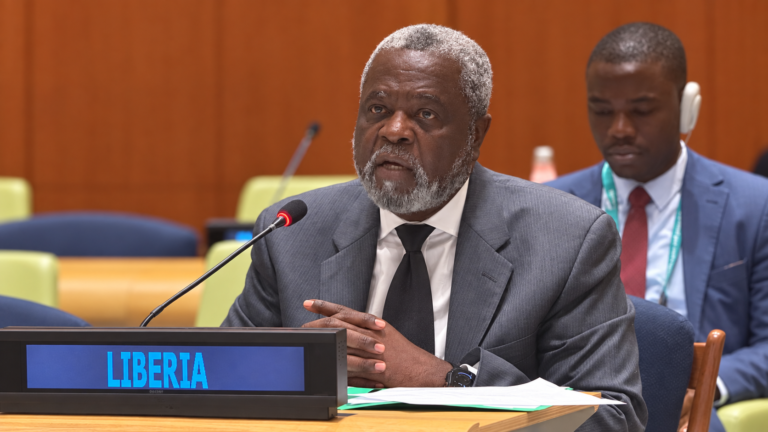
Presenting the recommendations, ActionAid Liberia Program Coordinator Willet Salue commended Boakai for demonstrating the political will to submit legislation protecting women and girls from FGM and child marriage.
Salue urged lawmakers to move beyond temporary restrictions by passing a permanent law. She also called for adequate funding, community education, and protection for survivors and activists.
The scale of the harm extends far beyond Liberia. In a statement issued on February 6, 2025, UN Women said more than 230 million women and girls worldwide had undergone FGM, a total 15 percent higher than the estimate reported in 2016.
The organization stressed that neither poverty nor cultural tradition justifies the practice.
UNFPA warns that FGM can cause prolonged psychological trauma, alongside serious sexual and reproductive health complications. Its consequences can persist long after the procedure itself.
For Nancy, leaving the Sande bush did not end her ordeal. Back in Monrovia, she says financial hardship and rejection by people she once depended on continue to shape her daily life.
About The Author