
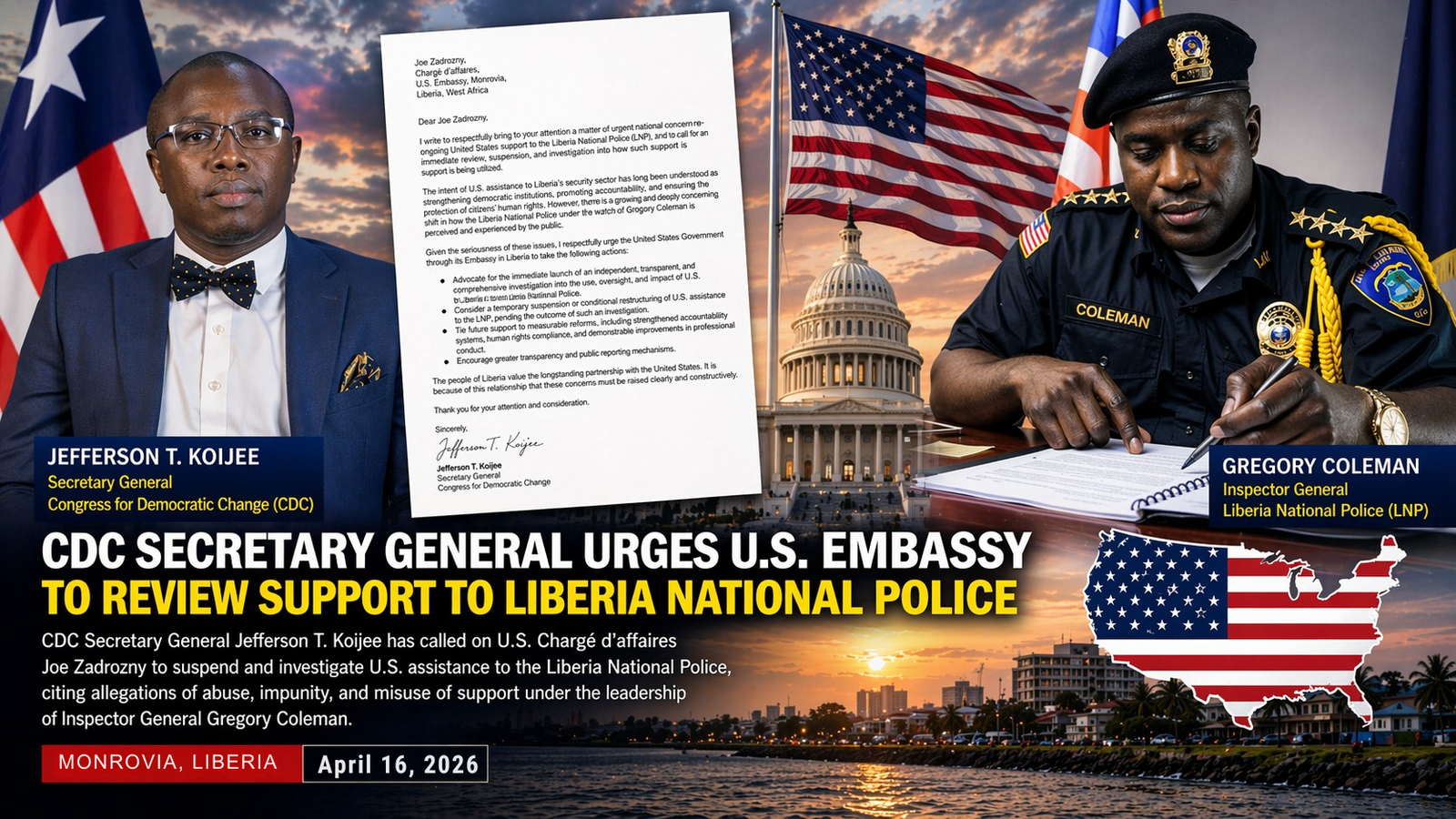
Jefferson T. Koijee, Secretary General of the Congress for Democratic Change (CDC), has formally called on the United States government to review, suspend, and investigate its support to the Liberia National Police (LNP), citing what he described as growing concerns over alleged misconduct and human rights violations.
In a letter addressed to Joe Zadrozny, Chargé d’affaires at the U.S. Embassy Monrovia, Koijee argued that U.S. assistance, historically aimed at strengthening democratic institutions and promoting accountability, may now be at risk of being misused.
“The intent of U.S. assistance to Liberia’s security sector has long been understood as strengthening democratic institutions,” Koijee wrote, adding that there is now a “deeply concerning shift” in how the police are perceived by the public.
The CDC official alleged that under the leadership of Gregory Coleman, the LNP has increasingly been viewed as operating in ways that undermine public trust. He cited reports of selective justice, failure to prosecute serious crimes, and allegations of misconduct including abuse of power, drug-related activities, and sexual violence.
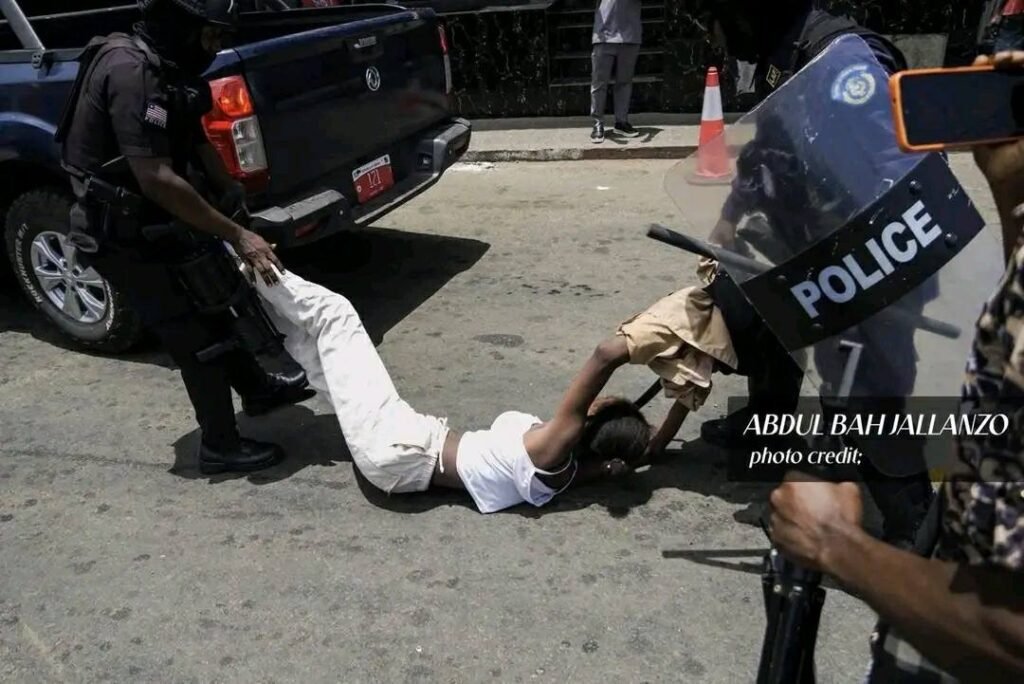
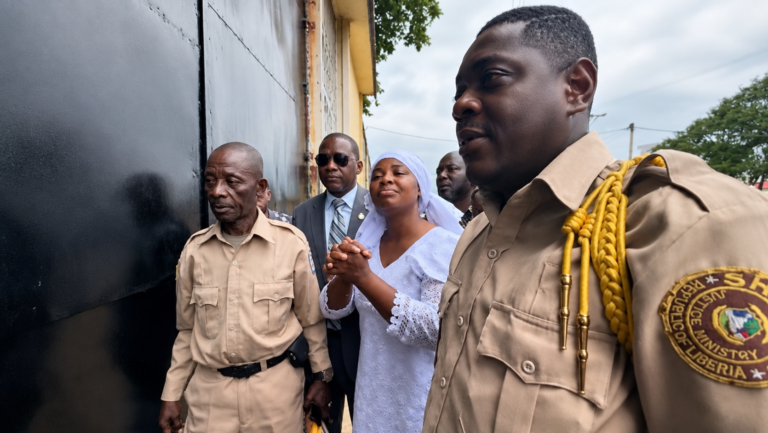
Koijee also referenced recent incidents involving student protests in Monrovia, where demonstrators reportedly faced arrest and alleged mistreatment while in police custody. He further pointed to what he described as an assassination attempt on Representative Saah Foko, suggesting a pattern of intimidation linked to state security actors.
The letter outlined multiple cases of alleged police brutality and deaths in custody between 2024 and 2025, including individuals reportedly shot by police or who died while detained. According to Koijee, many of these cases have not resulted in prosecutions or formal investigations, raising concerns about accountability within the force.
“These cases point to a consistent pattern of alleged abuse, excessive use of force, and deaths in custody involving police actors, without corresponding accountability measures,” he stated.
Koijee warned that continued U.S. support: financial, logistical, or training, could risk undermining both Liberia’s democratic institutions and U.S. credibility if not properly monitored. He emphasized that Liberians fear international assistance may inadvertently sustain practices inconsistent with democratic policing standards.
In response, Koijee urged the U.S. government to initiate an independent and transparent investigation into how its support to the LNP is being utilized. He also called for a temporary suspension or restructuring of assistance, recommending that future support be tied to measurable reforms, including strengthened accountability mechanisms and adherence to human rights standards.
The CDC Secretary General further advocated for increased transparency and public reporting on how international assistance is deployed within Liberia’s security sector.
“The people of Liberia value the longstanding partnership with the United States,” Koijee wrote. “It is precisely because of this relationship that these concerns must be raised clearly and constructively.”
The U.S. Embassy in Monrovia has not yet publicly responded to the letter.
The Liberia National Police has also not issued an official response to the allegations outlined in the communication.
The development comes amid ongoing public debate in Liberia over policing practices, accountability, and the role of international partners in supporting security sector reforms.
About the Author