
NEW YORK, October 11, 2026 — Liberia has renewed its call for an immediate ceasefire in the Russia-Ukraine war, urging the international community to intensify diplomatic efforts to end the conflict as United Nations figures reveal a worsening humanitarian catastrophe that has claimed more than 17,000 civilian lives since Russia launched its full-scale invasion in February 2022.
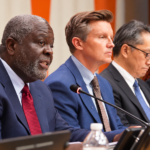
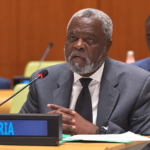
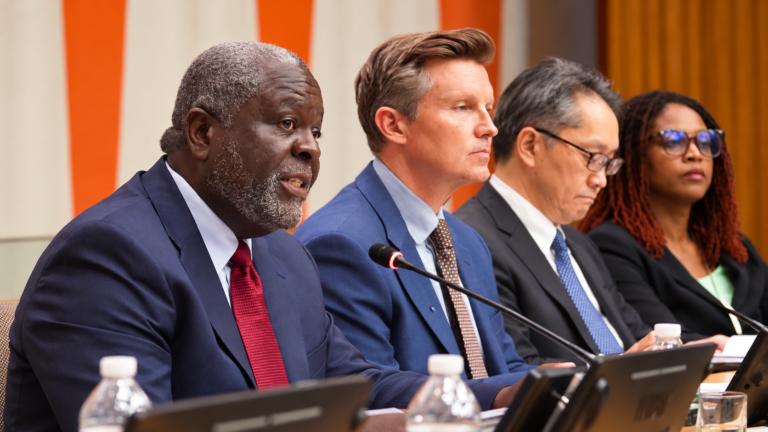
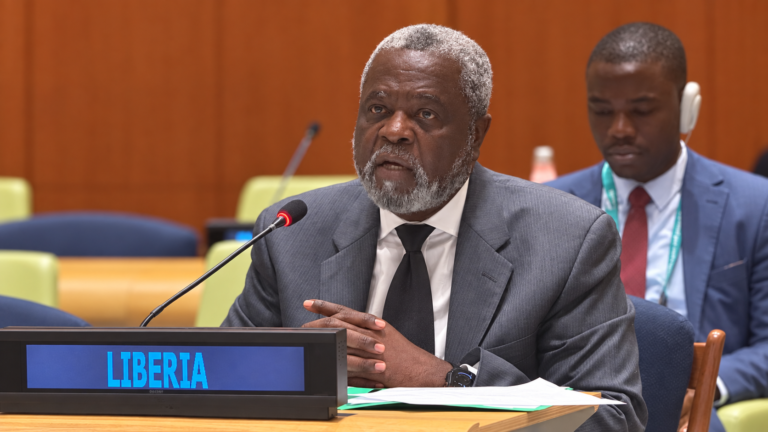
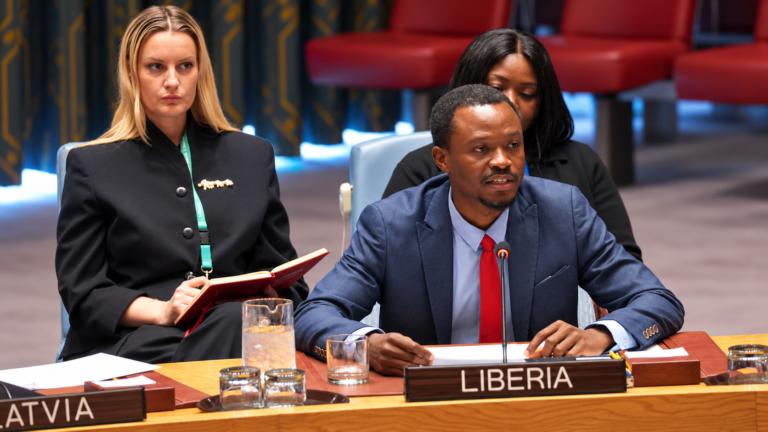
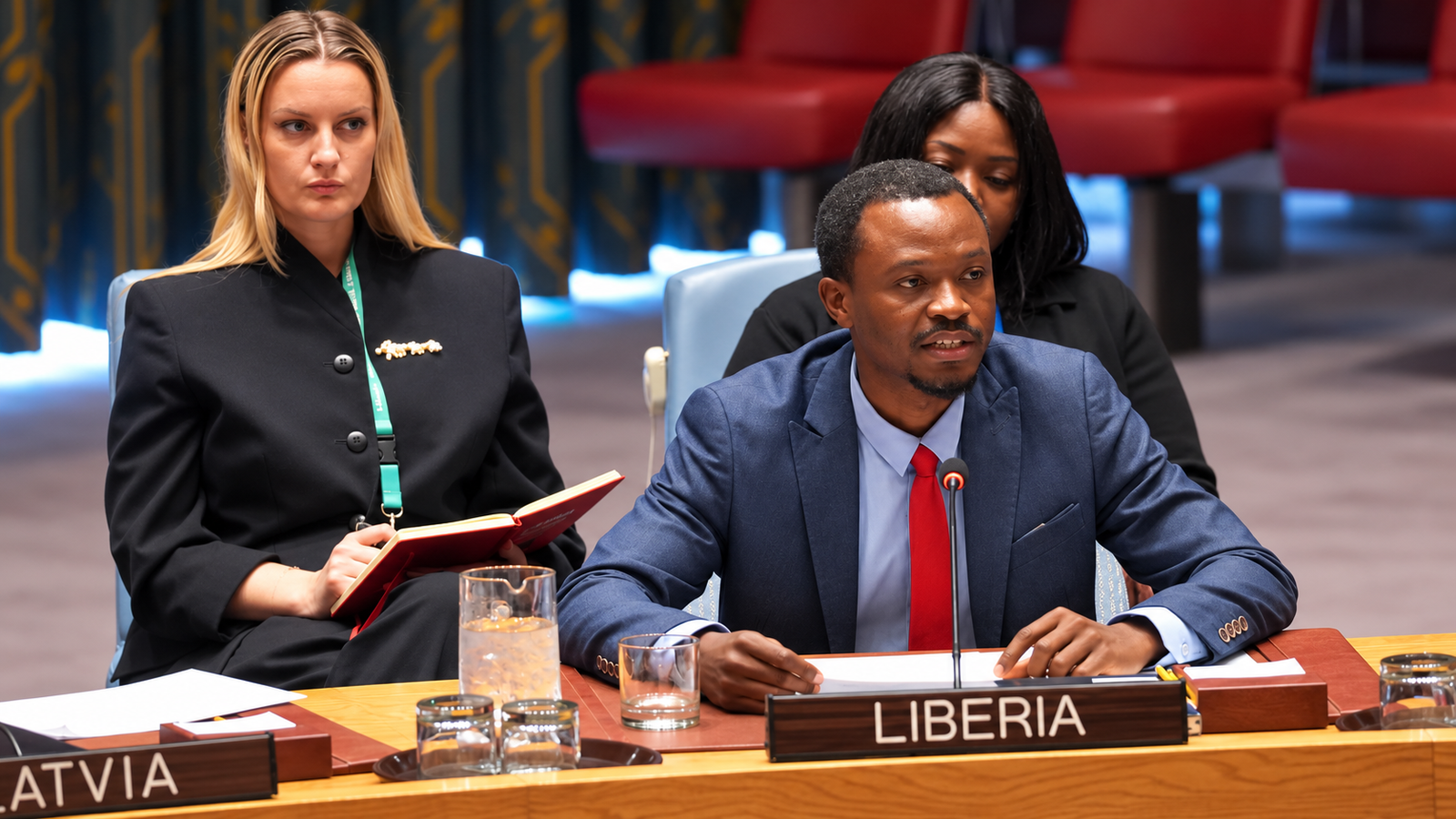
Speaking during the 10,237th meeting of the United Nations Security Council on Friday, October 9, Liberia’s Political Coordinator to the Council, Prutus Sackie, called for stronger protection of civilians, unhindered humanitarian access, and a negotiated settlement consistent with international law and the principles of the UN Charter.
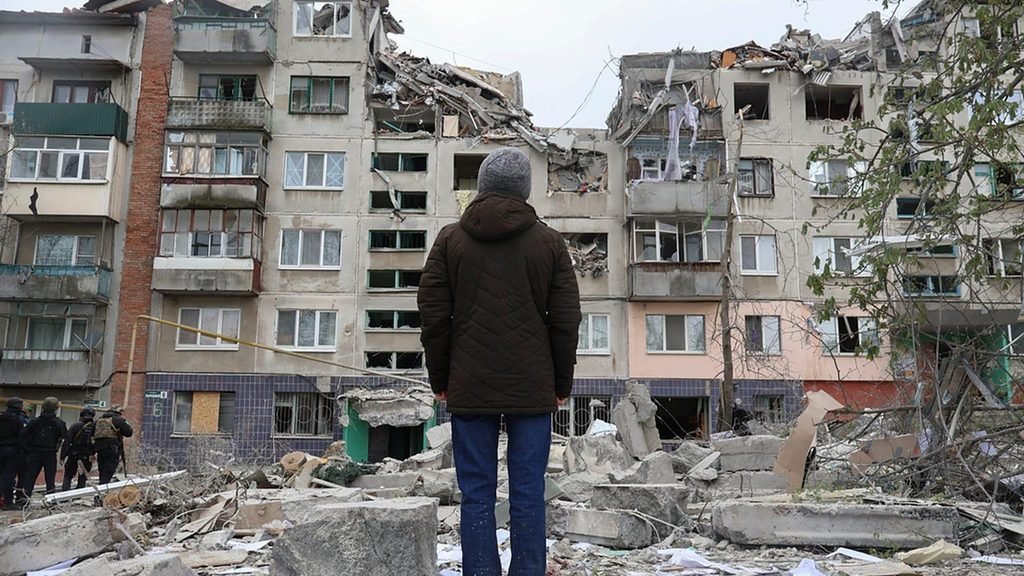
Liberia’s intervention comes as the war enters its fifth year, with intensified aerial bombardments, widespread destruction of civilian infrastructure, and growing international concerns about the possibility of the conflict expanding beyond Ukraine’s borders.
The meeting was held under the Council’s agenda concerning the maintenance of peace and security in Ukraine.
According to Liberia’s statement, Sackie stressed that the protection of civilian populations must remain an overriding responsibility of the parties to the conflict, particularly as military operations continue to affect residential communities, medical facilities, schools, and essential public infrastructure.
“We must strengthen the protection of civilians by ending attacks directed against civilians and civilian objects, ensuring full compliance with international humanitarian law, and facilitating safe, rapid, and unhindered humanitarian access to those in need,” Sackie told the Council.
He further urged UN member states to pursue meaningful diplomatic engagement rather than allow continued military escalation to determine the outcome of the conflict.
Liberia maintained that any lasting settlement must respect the sovereignty and territorial integrity of states, while ensuring that civilians are protected and humanitarian organizations are allowed to reach vulnerable populations.
UN Reports Alarming Rise in Civilian Casualties
The urgency of Liberia’s appeal is underscored by increasingly disturbing statistics released by the United Nations Human Rights Monitoring Mission in Ukraine.
During a Security Council briefing on September 23, 2026, UN Under-Secretary-General for Political and Peacebuilding Affairs Rosemary DiCarlo disclosed that at least 17,257 civilians had been killed and another 53,693 injured in Ukraine since the start of Russia’s full-scale invasion on February 24, 2022.
Among those killed were at least 835 children.
The figures represent casualties verified by UN human rights monitors, meaning the actual number of deaths and injuries could be considerably higher, particularly in occupied territories and locations where independent verification remains difficult.
Even more troubling, the UN reported that civilian casualties during the first eight months of 2026 had already surpassed the total recorded throughout 2025.
A September report by the UN Human Rights Monitoring Mission documented at least 2,222 civilian deaths and 13,058 injuries between January and August 2026. That represented a 55 percent increase compared with the corresponding period in 2025 and more than twice the number recorded during the same period in 2024.
In August alone, the monitoring mission recorded at least 372 civilian deaths and 2,349 injuries. Long-range missiles and drones accounted for approximately 47 percent of all civilian casualties during the month, while short-range drones were responsible for another 30 percent, largely in frontline communities.
These findings illustrate the changing nature of the conflict, as aerial warfare increasingly exposes civilians living far from active battlefronts to deadly attacks.
Millions Facing Humanitarian Hardship
Beyond the mounting death toll, Ukraine continues to confront one of Europe’s most severe humanitarian emergencies.
According to the United Nations Office for the Coordination of Humanitarian Affairs, approximately 10.8 million people in Ukraine are expected to require humanitarian assistance during 2026.
The United Nations and its humanitarian partners launched a $2.3 billion appeal at the beginning of the year to provide essential support to 4.1 million of the most vulnerable people.
The assistance includes food, emergency shelter, healthcare, cash support, protection services, and other life-saving interventions for communities devastated by years of fighting.
The displacement crisis has also uprooted millions of Ukrainian families. UN humanitarian reporting earlier this year estimated that approximately 3.7 million people were internally displaced, while nearly six million had sought refuge outside the country.
Many displaced families have experienced repeated upheaval as military operations, destroyed housing, and deteriorating economic conditions make returning home difficult or impossible.
The humanitarian situation is particularly severe in frontline communities, where repeated attacks have disrupted electricity supplies, damaged water systems, destroyed homes, and limited access to essential medical services.
Humanitarian organizations have also faced increasing security risks while attempting to deliver assistance.
In September, Reuters reported that repeated strikes had destroyed ten humanitarian aid warehouses in Ukraine during 2026, prompting the United Nations to consider relocating some emergency supplies underground to protect them from further attacks.
These developments give additional significance to Liberia’s demand for safe, rapid, and unhindered humanitarian access.
UN Warns of a Dangerous New Phase
Liberia’s renewed diplomatic appeal follows an earlier warning by Rosemary DiCarlo that the war was becoming increasingly dangerous, not only for Ukraine but also for the wider European region.
Addressing the Security Council on September 23, DiCarlo cautioned that intensifying military operations, mounting civilian casualties, and incidents involving neighboring countries were increasing the possibility of broader regional confrontation.
“We are entering a dangerous new phase in the war in Ukraine,” she warned.
The senior UN official highlighted growing concerns surrounding cross-border drone incidents, military activity near nuclear facilities, and attacks on critical energy infrastructure.
She also warned that further damage to Ukraine’s electricity and heating networks could leave millions of people exposed to severe hardship as winter approaches.
DiCarlo urged intensified diplomatic efforts toward an immediate, full, and unconditional ceasefire, while emphasizing that diplomatic engagement must be accompanied by meaningful military de-escalation.
Liberia Advocates Negotiated Settlement
Against this backdrop, Liberia has emphasized that diplomatic disagreements should not prevent the parties from taking immediate measures to reduce civilian suffering.
Sackie told the Security Council that the urgency of ending the war must be matched by a willingness to pursue peaceful solutions, even when the parties remain divided over fundamental political and territorial questions.
According to Liberia’s statement, he argued that peace does not necessarily require agreement on every disputed issue at the beginning of negotiations.
Rather, it demands a willingness to halt human suffering, protect innocent lives, and establish conditions under which constructive dialogue can take place.
Liberia’s position places particular emphasis on the principles of sovereignty, territorial integrity, and the peaceful settlement of international disputes.
These principles are central to the UN Charter, which obliges member states to settle international disputes by peaceful means and prohibits the threat or use of force against the territorial integrity or political independence of states, except where permitted under international law.
By reaffirming these principles, Liberia is advocating a diplomatic settlement that goes beyond simply ending active hostilities and addresses the legal foundations necessary for a durable peace.
The statement did not outline a specific negotiating framework, timetable, or enforcement mechanism for the ceasefire Liberia is proposing.
A Wider International Responsibility
Liberia’s intervention also underscores the role that smaller UN member states can play in international peace and security discussions.
Although Liberia is geographically distant from the conflict, the consequences of the war have extended far beyond Europe, affecting international food markets, energy security, humanitarian financing, and global diplomatic relations.
For countries with economies vulnerable to international price fluctuations, prolonged instability in major agricultural and energy-producing regions can create additional economic pressures.
The Russia-Ukraine conflict has repeatedly demonstrated how disruptions to global supply chains can affect countries that are not directly involved in the fighting.
Liberia’s appeal therefore reflects broader concerns about the international consequences of prolonged warfare and the need to preserve diplomatic mechanisms for resolving disputes.
It also comes during Liberia’s 2026–2027 term as an elected non-permanent member of the United Nations Security Council, a position that gives the West African nation a direct role in deliberations concerning international peace and security.
Peace Requires More Than an End to Fighting
While calls for an immediate ceasefire have become increasingly urgent, significant political and territorial disagreements continue to complicate efforts to secure a negotiated settlement.
Ukraine has consistently emphasized that any peace arrangement must safeguard its sovereignty and territorial integrity. Russia’s territorial claims and security demands remain central obstacles to a mutually acceptable agreement.
A ceasefire could reduce immediate civilian casualties and create opportunities for humanitarian assistance and renewed negotiations. However, a sustainable settlement would also require agreement on security guarantees, disputed territories, and measures to prevent renewed hostilities.
For Liberia, the immediate priority remains the protection of human life and the creation of conditions that make meaningful diplomacy possible.
The West African nation reaffirmed its support for credible international efforts aimed at bringing the war to an end through peaceful means consistent with the Charter of the United Nations.
With civilian casualties continuing to rise and millions of displaced people facing another uncertain winter, Liberia’s message to the Security Council was that the international community must translate repeated appeals for peace into diplomatic action capable of reducing suffering and bringing the parties closer to a negotiated settlement.
Additional verified development: October 9 Security Council briefing
A further detail is worth including in the article, immediately after the section on civilian casualties.
At the same October 9 meeting addressed by Liberia, UN Assistant Secretary-General Khaled Khiari reported that more than 100 civilians had been killed and at least 429 injured in Ukraine during that week alone.
He also reported that a Russian glide-bomb attack on two passenger buses in Kramatorsk on October 8 had reportedly killed at least 33 people and injured 18 others. Separate drone strikes in Kyiv reportedly killed at least six people and wounded 17.
These figures were reported to the Council on October 9 and reinforce the urgency of Liberia’s appeal.
About The Author