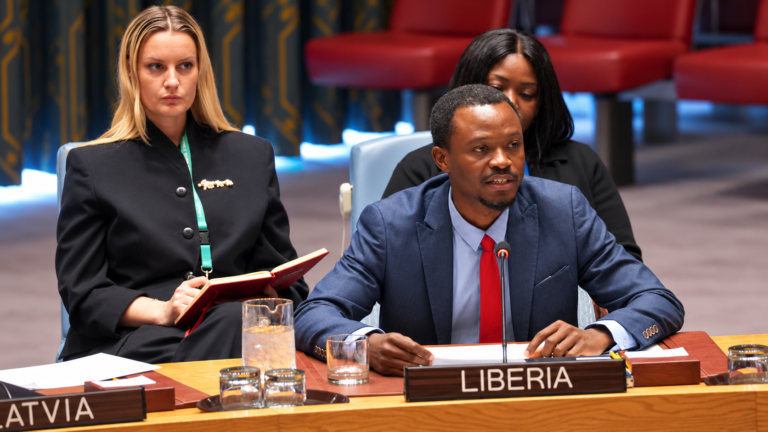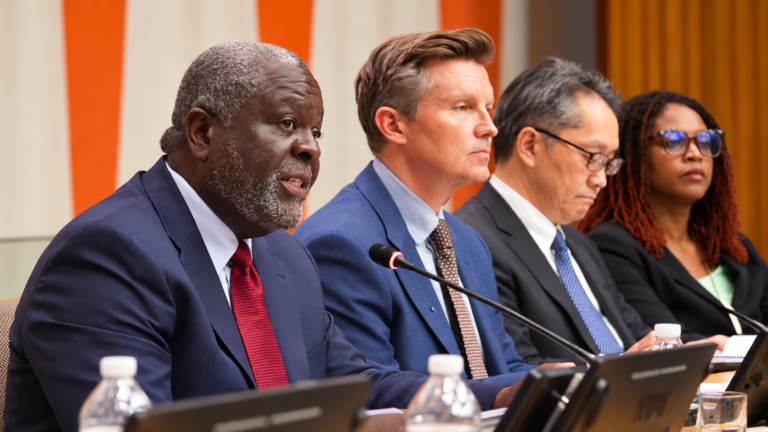

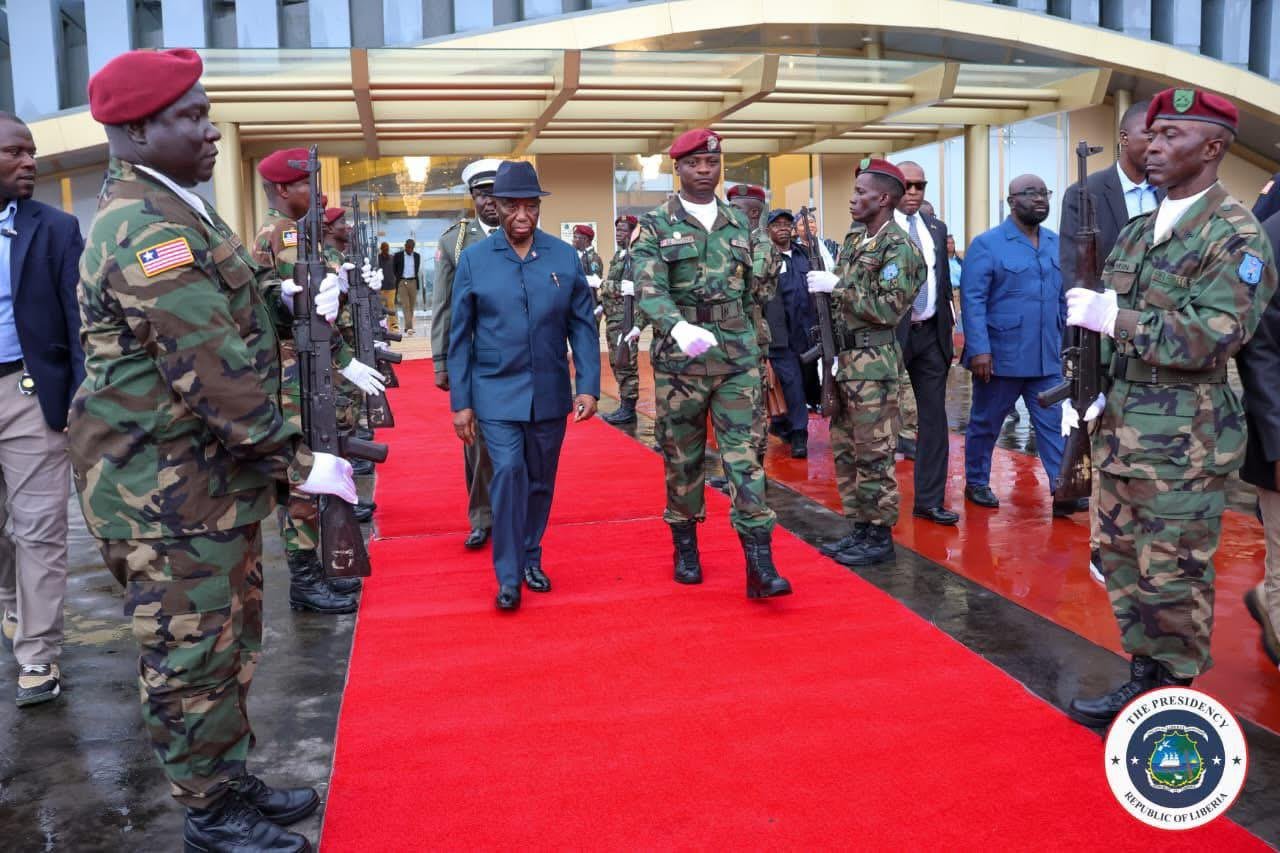
Liberia has spent a second week without President Joseph Boakai on home soil, and the vacuum is becoming the story. Mr. Boakai left on September 8 for the United States, with the Executive Mansion saying the trip precedes the UN General Assembly (UNGA). But high-level week does not begin until September 23 and runs through September 29, leaving a conspicuous gap that officials have not credibly explained.
In that silence, speculation thrives. Unverified social-media chatter alleges the president is undergoing medical care in Rhode Island, possibly related to his long-acknowledged pacemaker. The pacemaker issue has been in the public domain for years, and calls for greater transparency on the president’s health predate his inauguration; but the current communications blackout makes rumor the default news source. That is a self-inflicted risk.
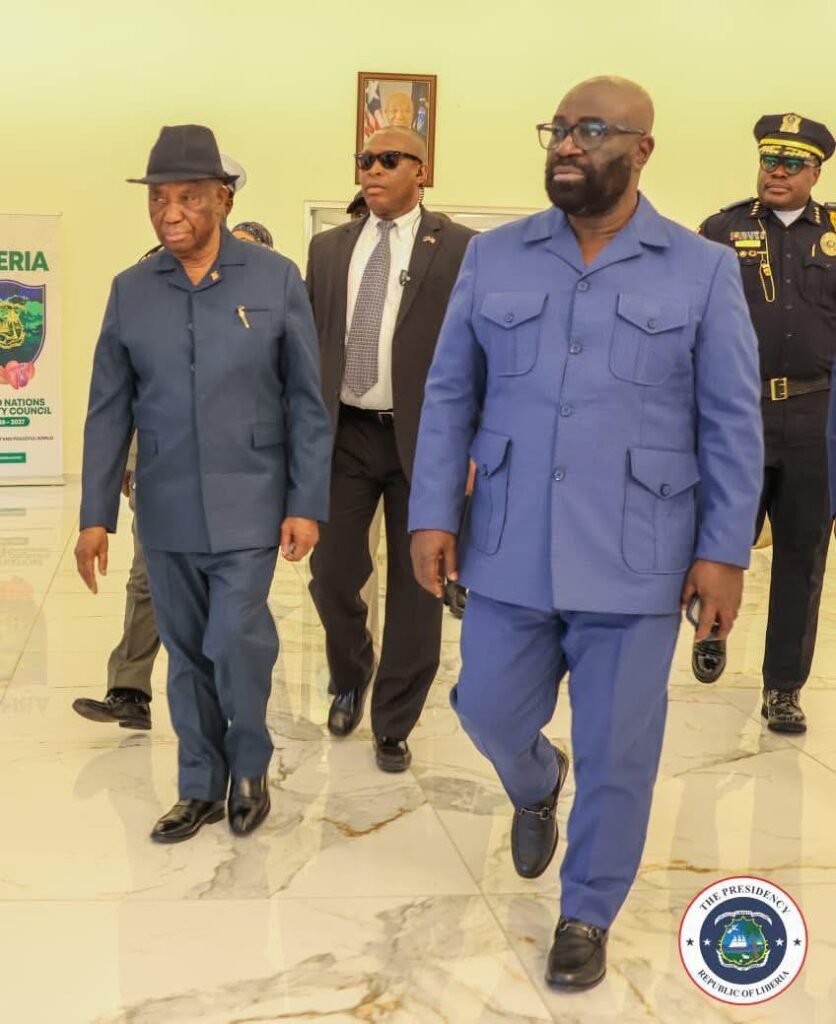
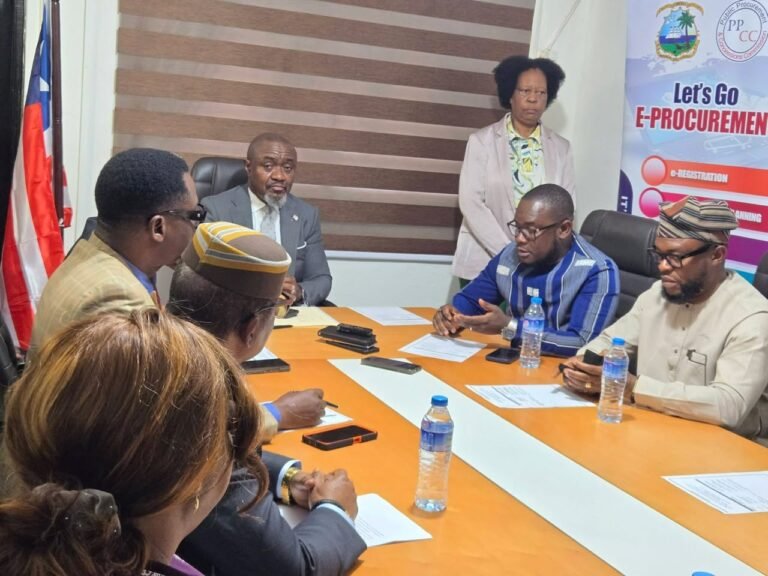
Meanwhile, the work of government stutters. The Vice President has been visible and in meetings, but without a clear readout of decisions or economic relief measures, Liberians are left guessing about who is steering policy during a currency whipsaw and stubborn prices. Even when the Ministry of Finance touts strategies and consultations, the optics are jarring: glossy plans in Monrovia while the head of state is offstage and unaccounted for in real time.
Cost optics are also poor. The administration campaigned on modesty and fiscal restraint, yet foreign travel by large entourages invariably raises questions in a cash-tight economy. Those questions are sharper when the trip’s official purpose is weeks away and the public gets no daily accounting of where the president is, whom he’s meeting, or what Liberia tangibly gains.
Governance abhors a vacuum. If the absence is for UNGA prep, say so; with a schedule. If it is for medical reasons, say so; with enough candor to reassure a nervous public. Liberia’s institutions are stronger than any one person, but markets and citizens punish uncertainty.
About The Author