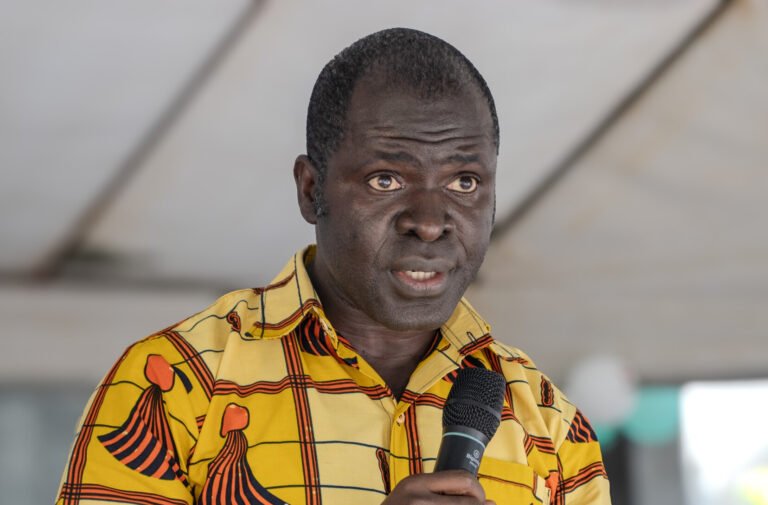

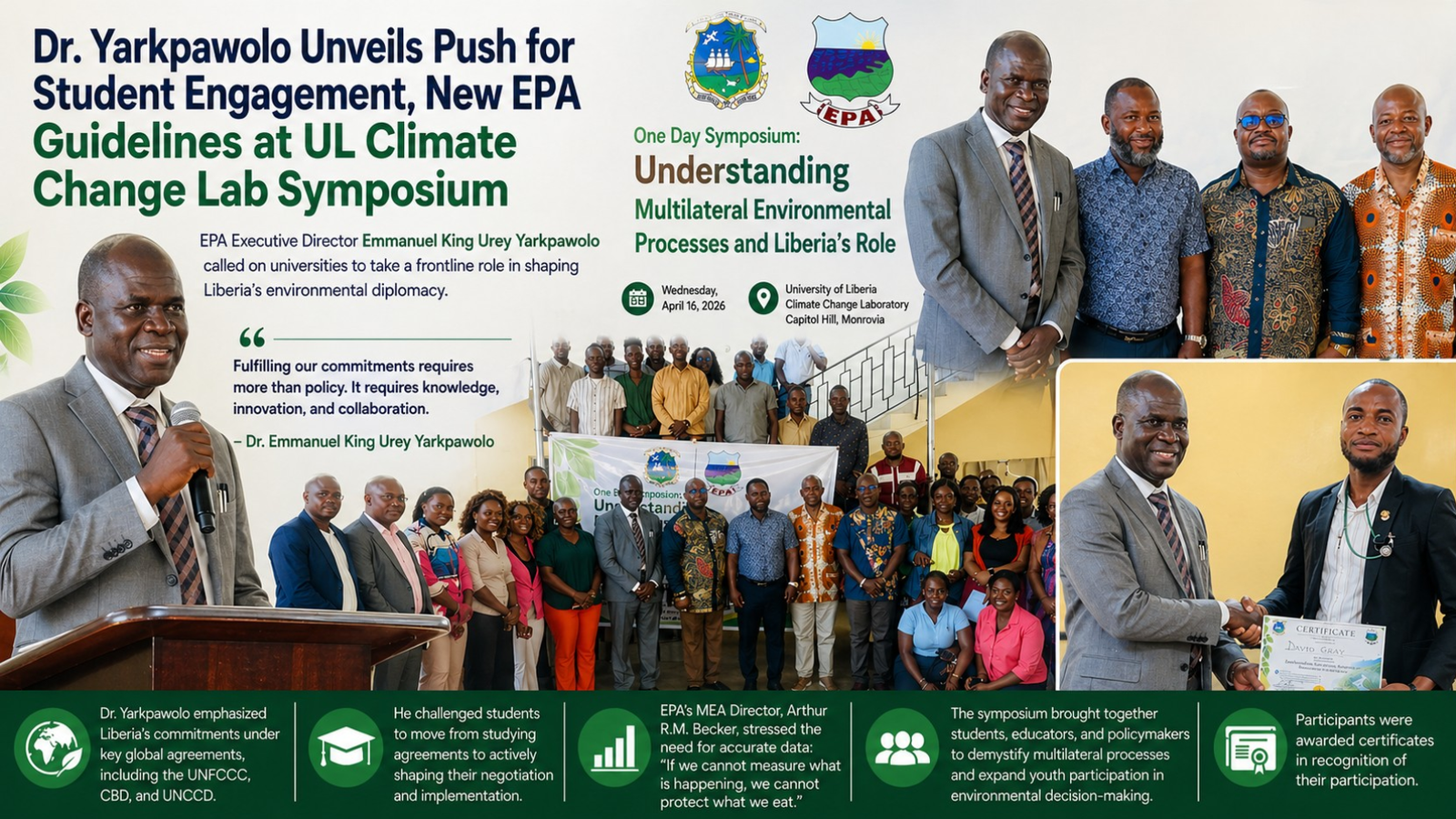
The Executive Director of Liberia’s Environmental Protection Agency, Emmanuel King Urey Yarkpawolo, has challenged universities across the country to move beyond classroom learning and become active players in shaping Liberia’s environmental policies and international climate diplomacy.
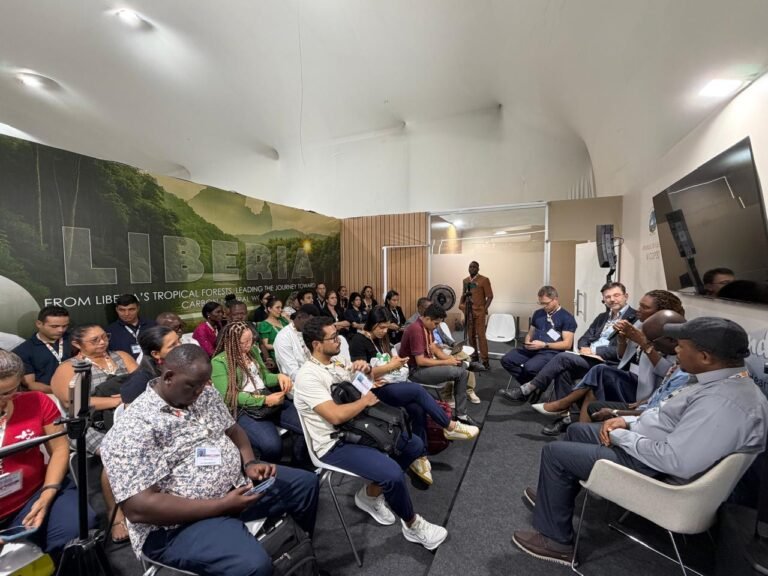
Dr. Yarkpawolo made the call during a symposium titled “Understanding Multilateral Environmental Processes and Liberia’s Role,” held at the University of Liberia Climate Change Laboratory on Capitol Hill.
Addressing an audience of students, academics, environmental experts, EPA staff, and civil society representatives, Dr. Yarkpawolo described the gathering as a critical step toward bridging the long-standing gap between academic research and practical policymaking.
“It is with great honor and a deep sense of responsibility that I welcome you all to this important symposium,” he said, while commending the University of Liberia Climate Change Laboratory for hosting the event.
He warned that environmental threats such as climate change, biodiversity loss, land degradation, and pollution are no longer distant global concerns but immediate national challenges affecting Liberia’s ecosystems, economy, and public well-being.
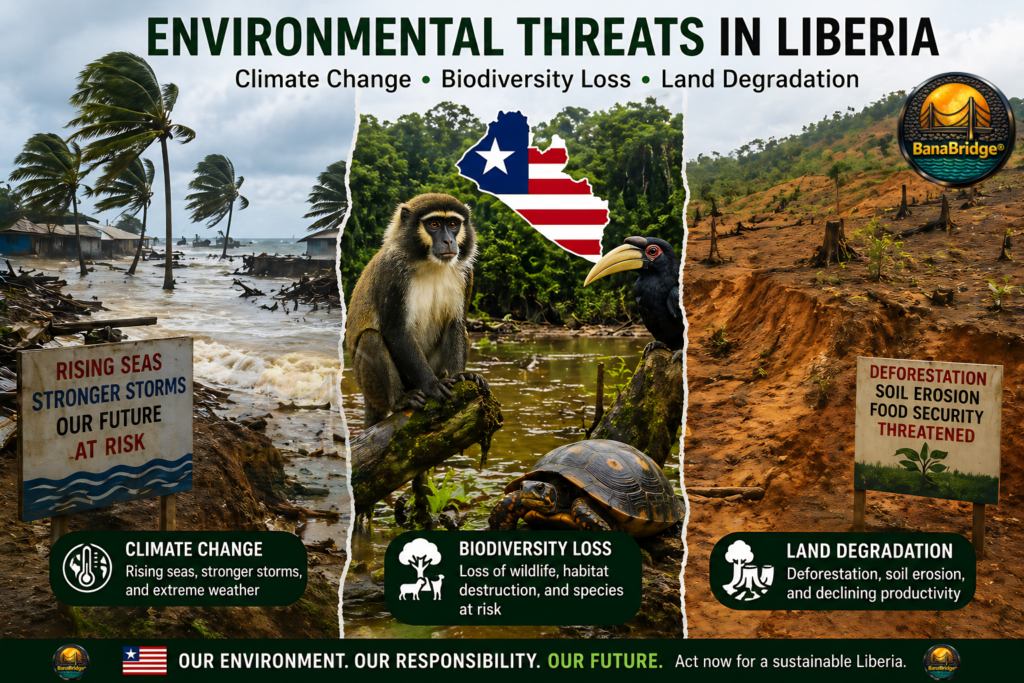
“Across the globe, nations are grappling with complex environmental challenges. These challenges are not distant realities; they are present and pressing concerns for Liberia,” Dr. Yarkpawolo said.
The EPA Executive Director highlighted Liberia’s commitments under major international environmental agreements, including the United Nations Framework Convention on Climate Change, the Convention on Biological Diversity, and the United Nations Convention to Combat Desertification, noting that these obligations are backed by Liberia’s Environmental Protection and Management Law of 2003.
“But fulfilling these commitments requires more than policy,” he said. “It requires knowledge, innovation, and collaboration.”
Dr. Yarkpawolo emphasized that universities and research institutions remain vital engines of innovation and knowledge production, capable of preparing the next generation of Liberian environmental leaders and negotiators.
He acknowledged that a disconnect still exists between academia and real-world policy implementation, adding that the symposium was designed to close that gap by encouraging students and researchers to move from studying environmental agreements to actively shaping their implementation.
He further urged participants to ask difficult questions, build professional networks, and develop practical solutions that will strengthen Liberia’s voice in international environmental negotiations.
Also speaking at the event, Arthur R.M. Becker, Director for Multilateral Environmental Agreements at the EPA, emphasized Liberia’s reporting obligations under the UN climate framework.
According to Becker, Liberia must consistently monitor, verify, and report greenhouse gas emissions, climate impacts, and adaptation measures in line with international commitments.
“If we cannot measure what is happening to our environment, we cannot protect what we eat,” Becker told participants.
He called for stronger collaboration between the EPA, line ministries, universities, and researchers to improve environmental data collection and transform scientific information into solutions that protect Liberia’s food systems and natural resources.
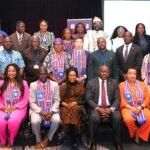
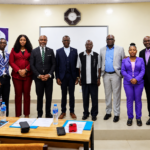
The day-long symposium brought together students, educators, policymakers, and environmental stakeholders for presentations, discussions, and networking sessions aimed at demystifying multilateral environmental processes and expanding youth participation in environmental governance.
Participants were later awarded certificates in recognition of their participation.
About The Author