
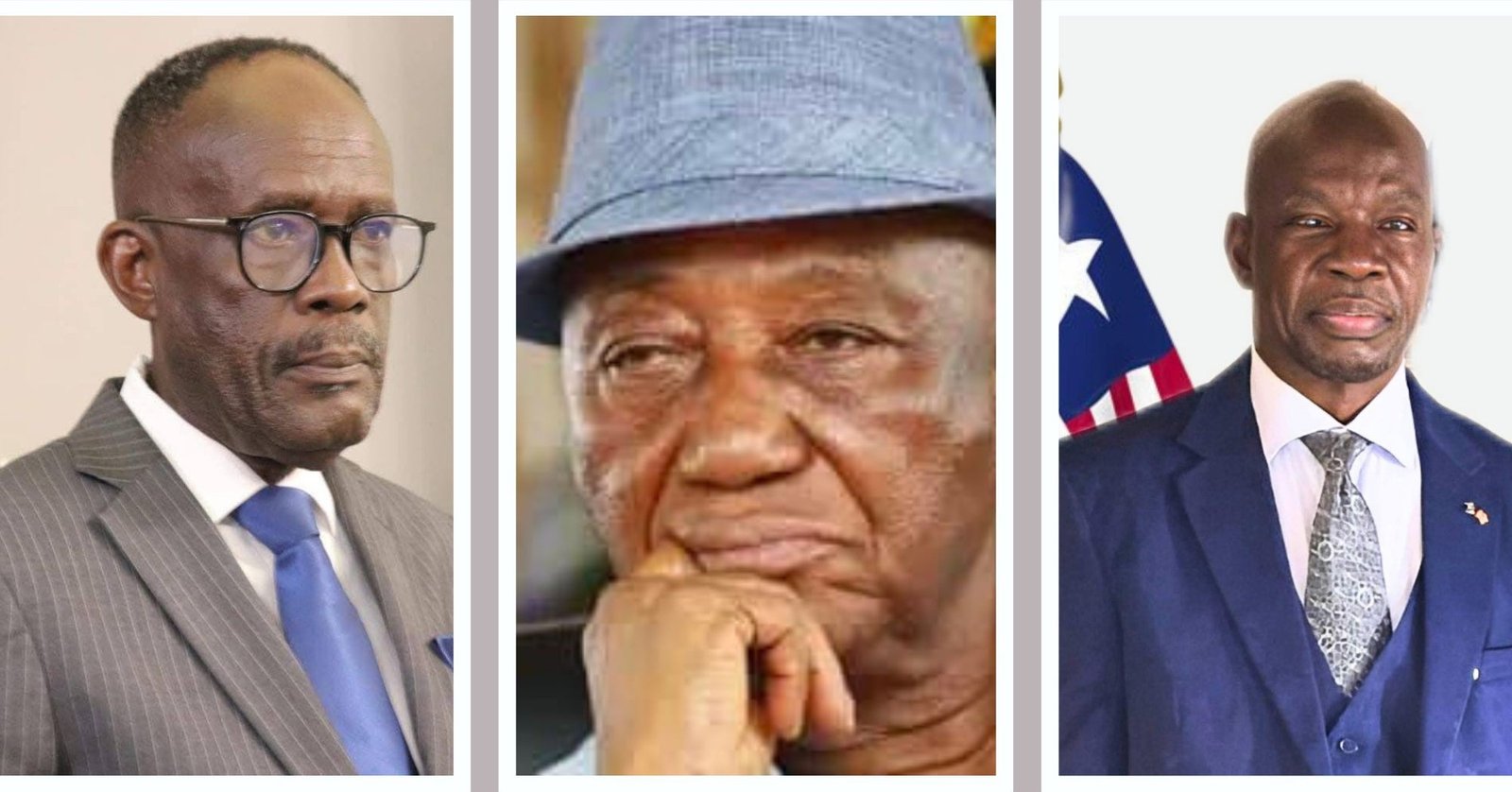
MONROVIA: President Joseph Nyuma Boakai’s flagship anti-graft campaign is facing mounting scrutiny, as accusations of selective justice deepen with the head of a key state bureau now himself under investigation for corruption.
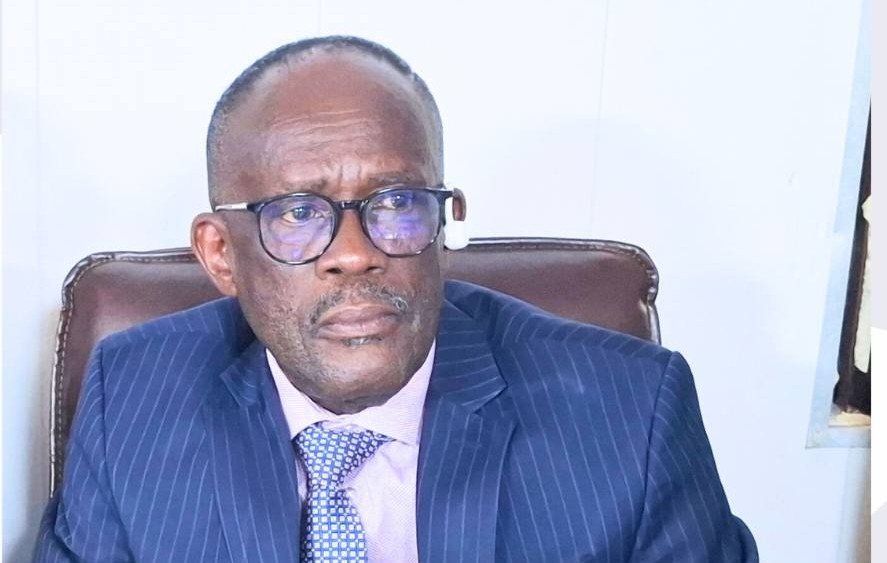
The controversy centers on the Bureau of State Enterprises (BSE), where Acting Director General Varlee Sanor is being probed over alleged financial improprieties – barely months after he accused his predecessor of the same.
Sanor, then deputy director, triggered the saga in July 2024 by filing corruption claims against his boss, Director General Arthur Massaquoi. The Liberia Anti-Corruption Commission (LACC) opened an inquiry, but no findings were ever made public despite repeated appeals from Massaquoi for updates.
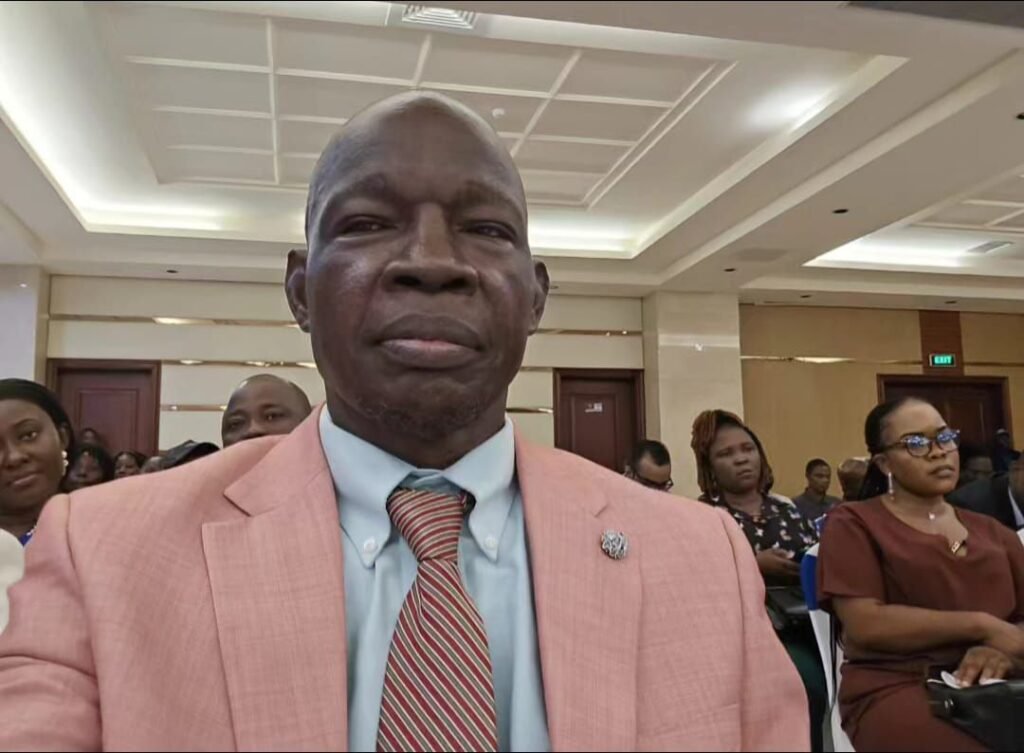
In June 2025, President Boakai suspended Massaquoi, citing the risk of interference with the probe. Sanor was elevated to acting director, a promotion critics say rewarded a complainant before the case was resolved.
That decision has now backfired. A whistleblower letter dated August 26 accused Sanor of nepotism, illegal contract awards, and financial misconduct. The LACC has opened a fresh investigation, turning the tables on the man who first cast corruption allegations.
Charges of Double Standards
Civil society groups argue the parallel cases expose uneven enforcement of the government’s anti-graft campaign. Massaquoi remains suspended while his case drags on, but Sanor continues to serve despite facing similar charges.
“This is selective justice,” one campaigner said, warning that shielding allies while sidelining others risks eroding public trust.
The accusations come amid broader criticism that some suspended officials languish in investigatory limbo while others see their cases resolved swiftly, fueling perceptions of bias.
Wider Fallout
The controversy is unfolding against a backdrop of other governance headaches, including allegations of bribery linked to Liberia’s stalled biometric identification project. Austrian contractor OeSD International claims it was pressured for $120,000 in bribes, which it refused to pay.
Prominent supporter of the regime, turned critic, Martin Kollie warned that “all is not well” as the government approaches its second year, citing persistent poverty, joblessness and weak accountability.
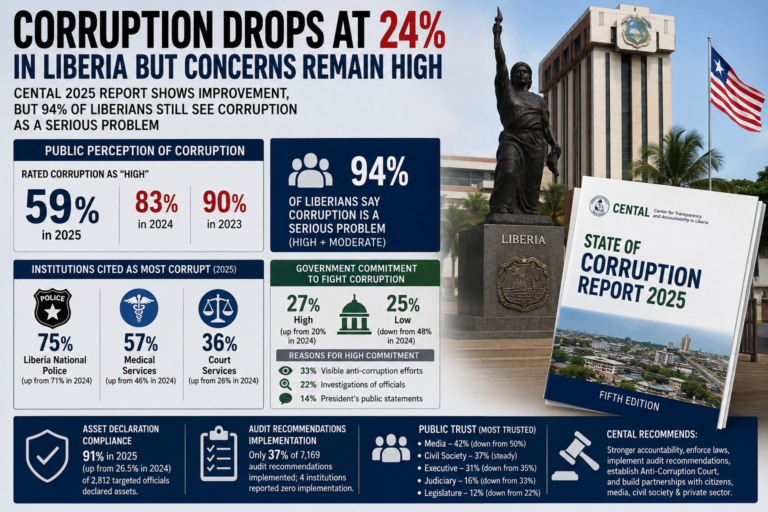
Analysts say the Sanor case is a litmus test for the LACC, which has long faced criticism for failing to prosecute high-profile cases. How it handles the probe will determine whether it can demonstrate independence and impartiality.
Political Stakes
The BSE’s role in overseeing state-owned enterprises means the crisis could also dent investor confidence and undermine efforts to reform strategic national assets.
For Boakai, the outcome carries heavy political weight. Observers say his response will shape perceptions of whether he is a principled reformer or a leader who bends under pressure.
The next few weeks could prove decisive in defining the legacy of a presidency that came to power on promises of transparency and accountability, but now finds those commitments under intense scrutiny.
About The Author