


MONROVIA, Liberia: Former Public Works Minister Ruth Coker Collins has issued a fresh clarification defending the road development strategy adopted under her leadership, particularly regarding the critical Monrovia–Zwedru transport corridor, insisting that the groundwork laid during her tenure continues to support ongoing construction today.
The statement comes as a follow-up to recent national debate sparked by her earlier remarks questioning institutional continuity and technical execution within the Ministry of Public Works.
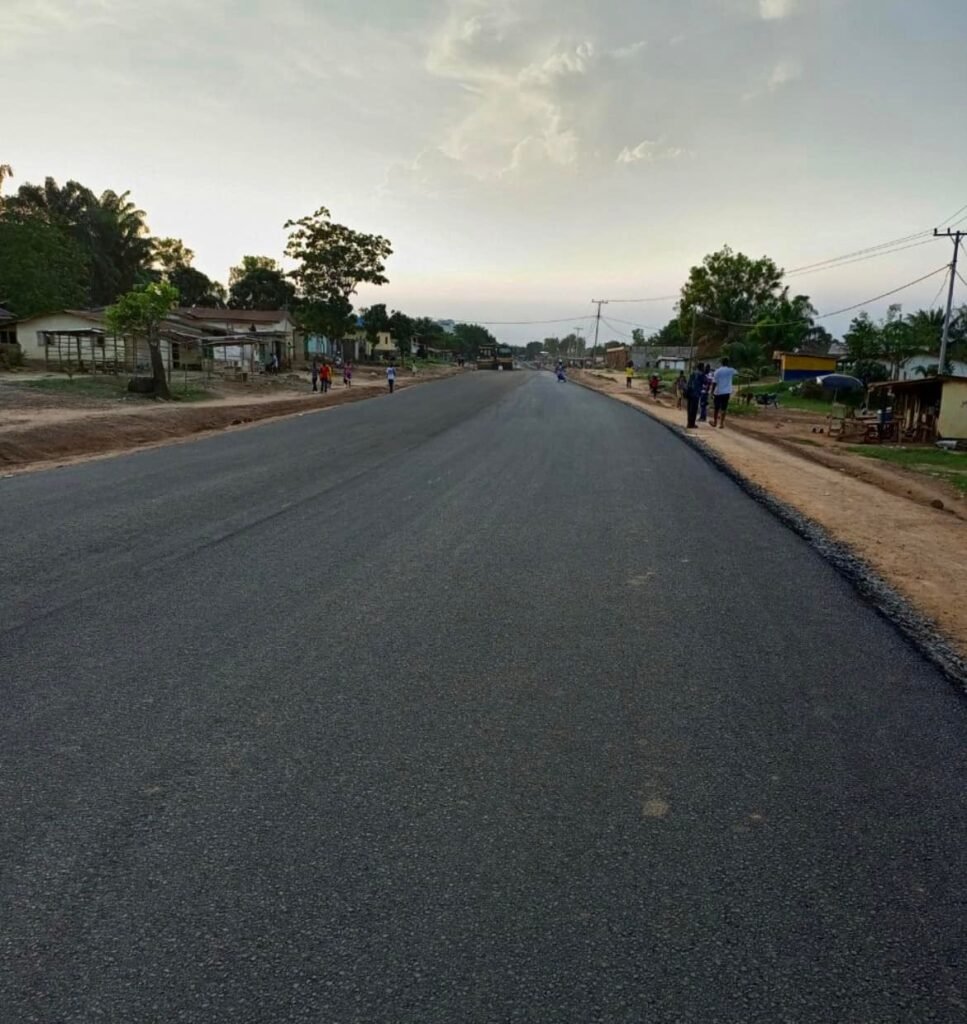
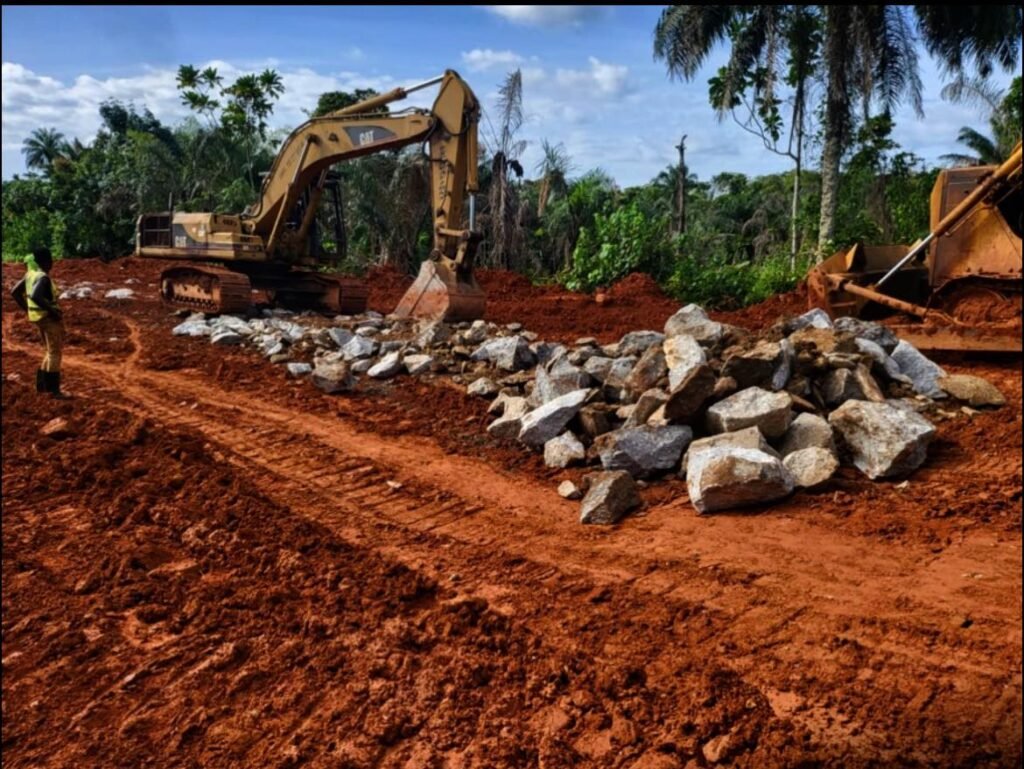
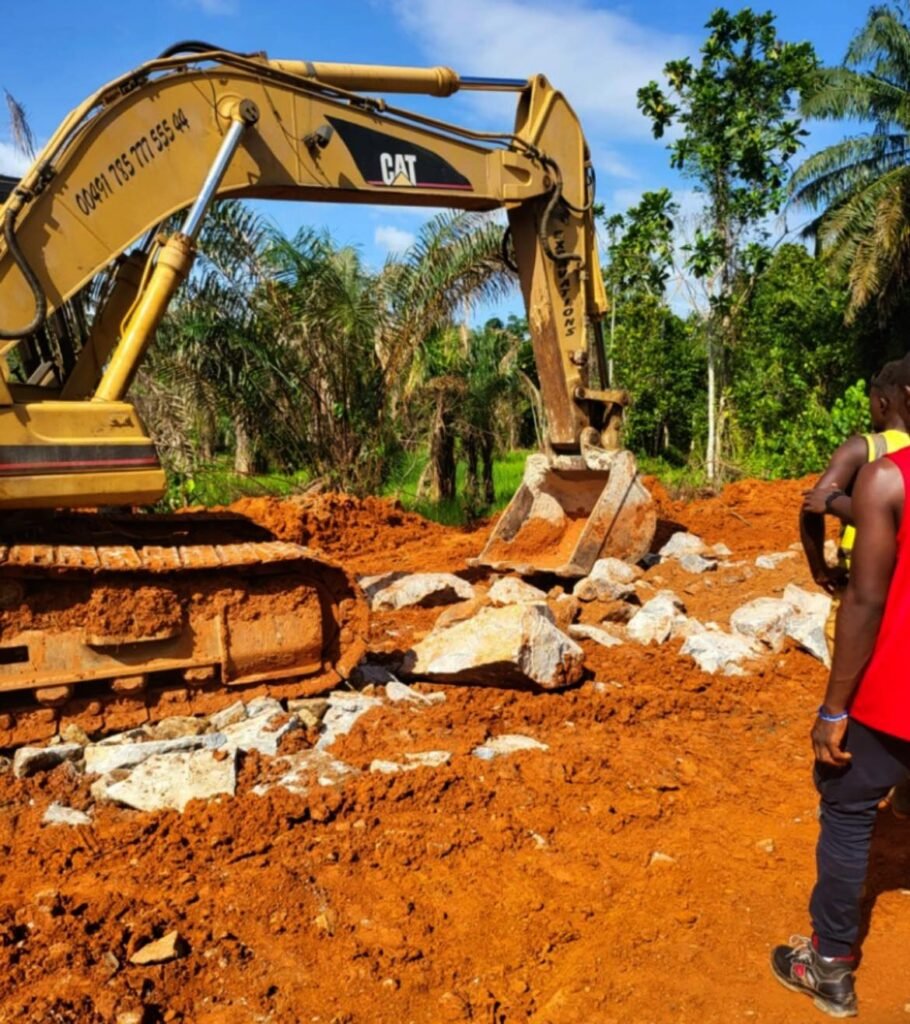
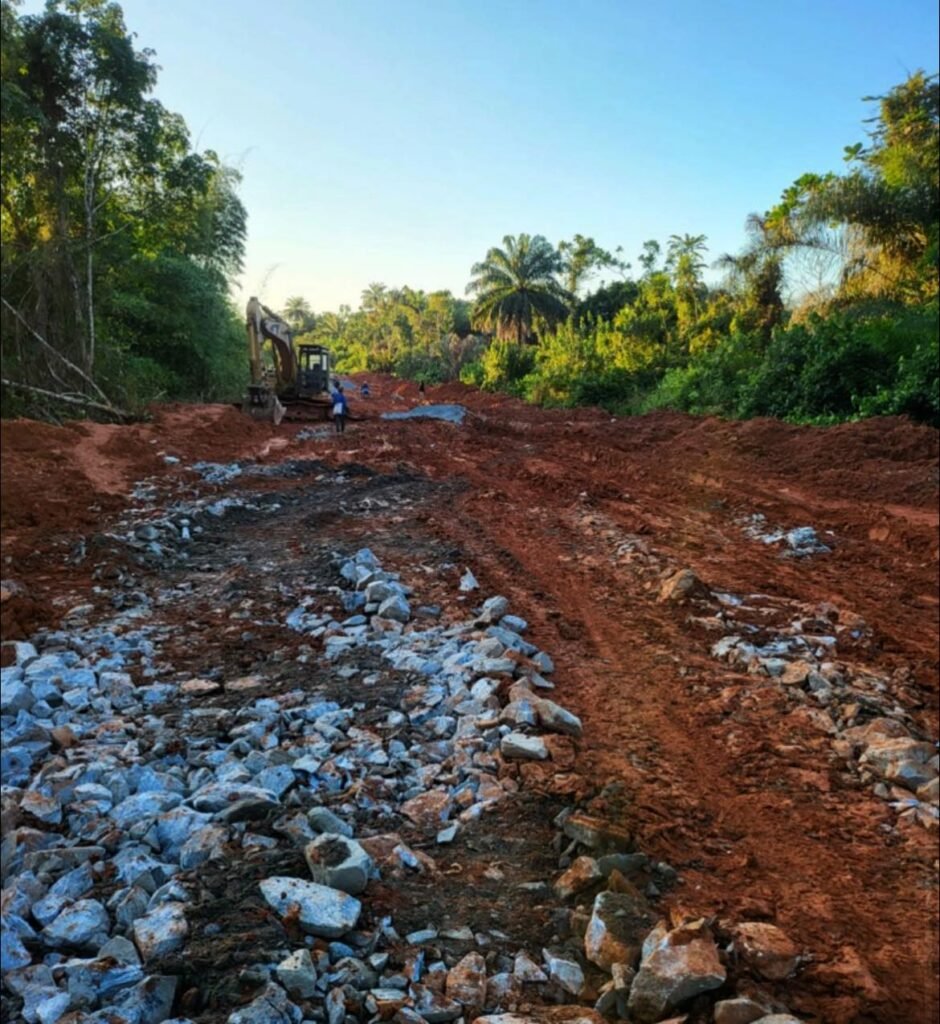
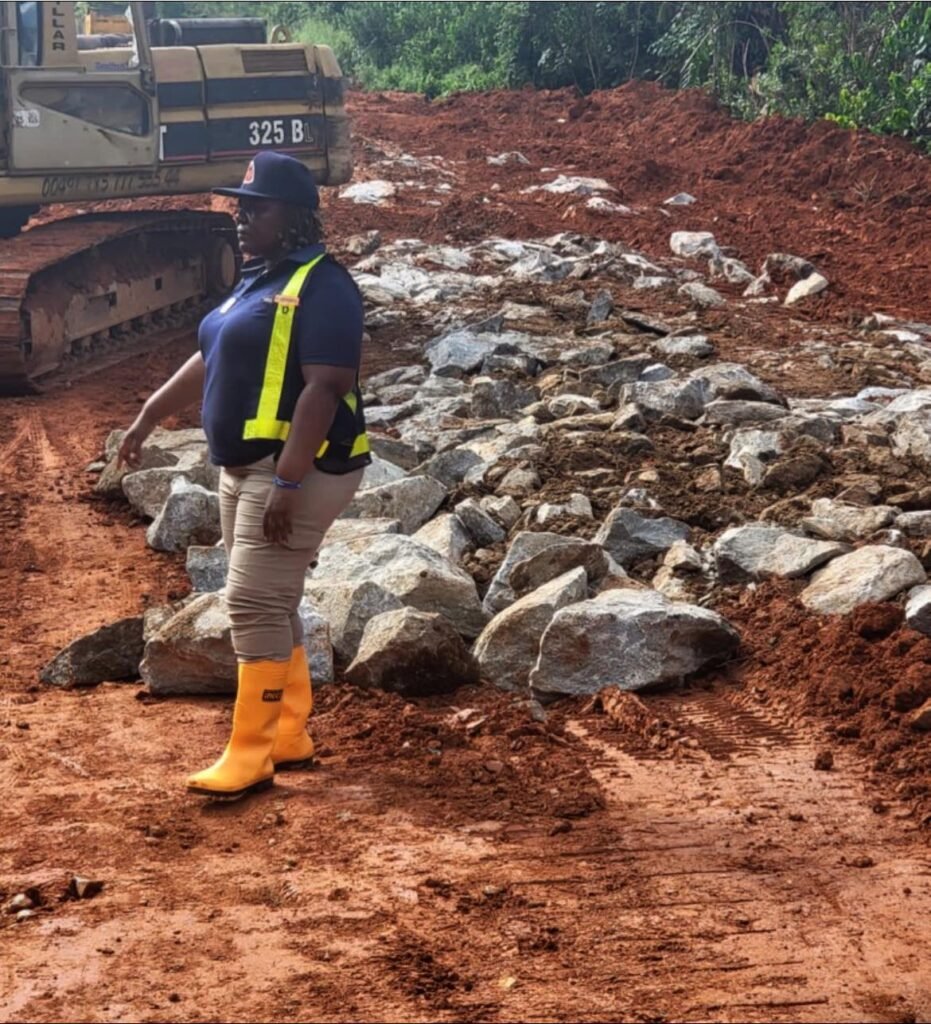
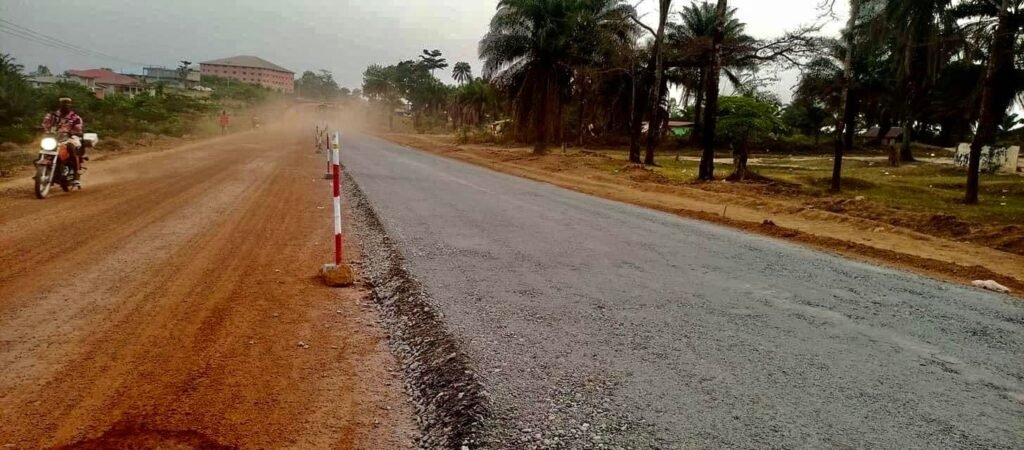
Collins Says Zwedru Corridor Was Structurally Planned in Phases
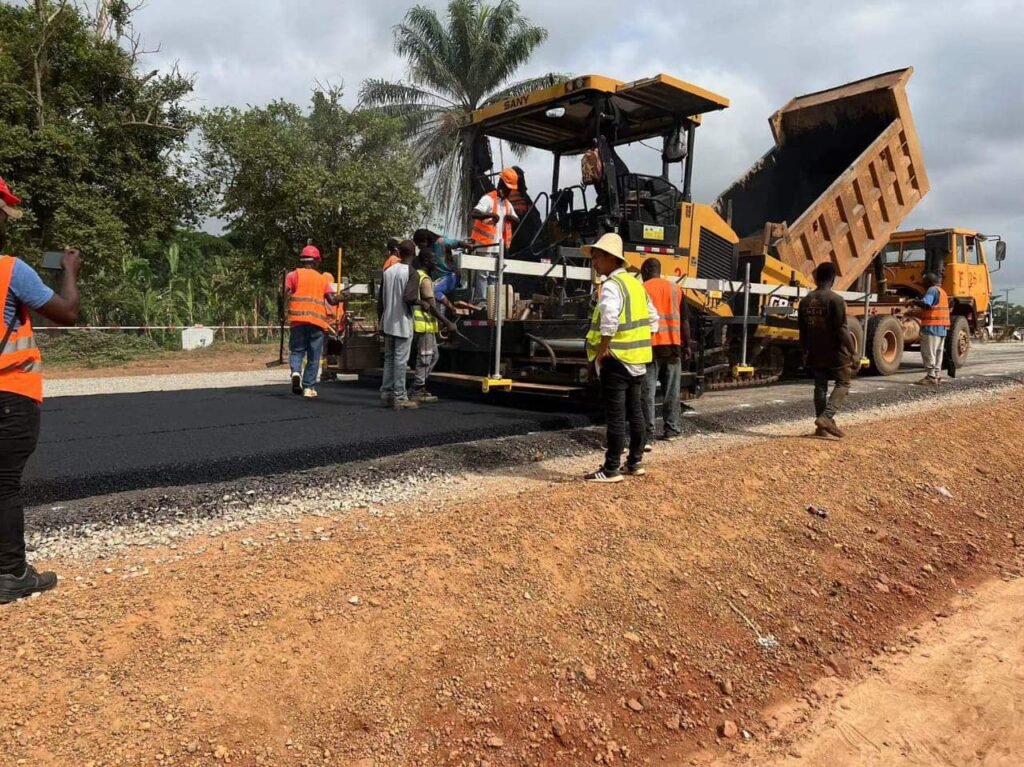
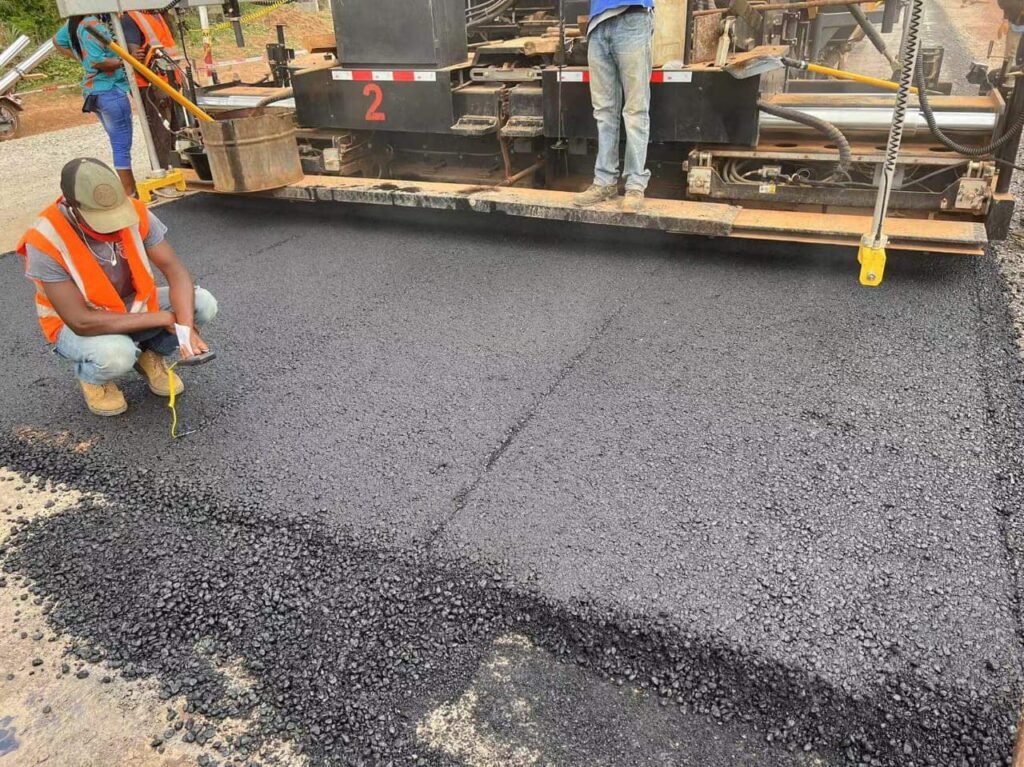
Addressing public concerns over road conditions and implementation priorities, Collins said the corridor toward Zwedru was indeed in poor condition when her administration took office, a reality she says justified the phased engineering approach adopted at the time.
According to the former minister, her team deliberately structured the corridor into three major construction contract lots:
- Ganta to Saclepea
- Saclepea to Tappita
- Tappita to Toe Town
She further stated that her administration also secured the funding framework for the remaining Toe Town to Zwedru section, arguing that the ongoing works along the corridor today are a direct result of that earlier technical and financial preparation.
“No Alternate Highway Exists”; Engineering Reality, Not Politics
Collins also rejected suggestions that alternative route options were ignored, emphasizing that engineering studies, traffic modelling, and economic corridor analysis confirmed that there is no viable direct highway linking Monrovia to Zwedru without passing through Nimba County.
She said the decision to prioritize that alignment was based strictly on national connectivity needs, regional trade potential, and long-term infrastructure resilience rather than political considerations.
Infrastructure specialists note that Liberia’s southeastern transport network has long depended on phased development strategies due to terrain challenges, financing requirements, and cross-county logistical complexities.
Former Minister Pushes Back Against “Mess” Narrative
In her remarks, Collins expressed disappointment at what she described as recurring claims that the previous administration left unfinished or poorly managed infrastructure programs.
She argued that infrastructure delivery should be evaluated through measurable technical benchmarks rather than political commentary, pointing to contracts issued, financing secured, engineering designs completed, and construction mobilized as the proper indicators of sector performance.
“As engineers, we do not deal in rhetoric, we deal in measurable outputs,” she emphasized.
Calls for Continuity in National Development
Collins stressed that road development is inherently a long-term process involving feasibility studies, procurement procedures, financing negotiations, and staged construction.
She urged stakeholders to view infrastructure as a continuum in which each administration builds upon technical frameworks established by its predecessors.
“Nation building is not about discrediting foundations; it is about strengthening them,” she said, adding that the Liberian public deserves clarity rooted in documented facts rather than shifting political debate.
Debate Over Infrastructure Legacy Continues
Her latest statement further positions the former minister as one of the most outspoken voices defending the previous government’s infrastructure record, while simultaneously keeping attention focused on the performance of ongoing road programs under the current administration.
With road connectivity widely regarded as one of Liberia’s most critical development priorities, the exchange is expected to sustain public scrutiny over project timelines, financing continuity, and institutional capacity within the Ministry of Public Works.
About the Author