

In the quiet farming village of Kpaytuo, Nimba County, an 18-year-old girl is in hiding after narrowly escaping an alleged attempt to force her into female genital mutilation (FGM). Community members say the attack was not just about enforcing a tradition — it was revenge for her late mother’s activism years ago.
“They Wanted to Punish My Mother Through Me”
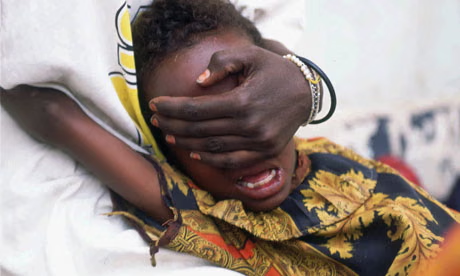
Sitting in a small, dimly lit room away from her community, Anna S. Gibson still speaks in a trembling voice. She recalls the night of October 12, when a close friend whispered a warning that members of the Sande society were planning to “take her into the bush” for initiation.
“I was nearly captured,” she says softly. “They wanted to punish my mother through me. If I hadn’t run, I don’t know what would have happened.”
Anna fled with only the clothes she was wearing. She has since moved between safe houses, protected by a network of women’s rights defenders.
A Legacy of Defiance
Anna’s mother, Madam Lurriana T. Johnson, once worked with a community-based organization in Nimba County, rescuing dozens of girls from FGM. Her outspoken stance against the practice angered local Zoes; traditional leaders who are custodians of the powerful Sande society.
Madam Johnson left Nimba for Monrovia several years ago after repeated threats. Activists believe her family has remained a target of retaliation. “Her silence is not by choice,” a women’s rights advocate who worked with her explained. “When you speak out against FGM here, you risk not only your life but also your children’s.”
A Persistent and Dangerous Practice
Although the Liberian government officially announced a ban on FGM in 2023, implementation remains weak, especially in rural areas where traditional power outweighs the law.
The Sande society continues to operate underground, and communities that resist face ostracism, intimidation, or violence.
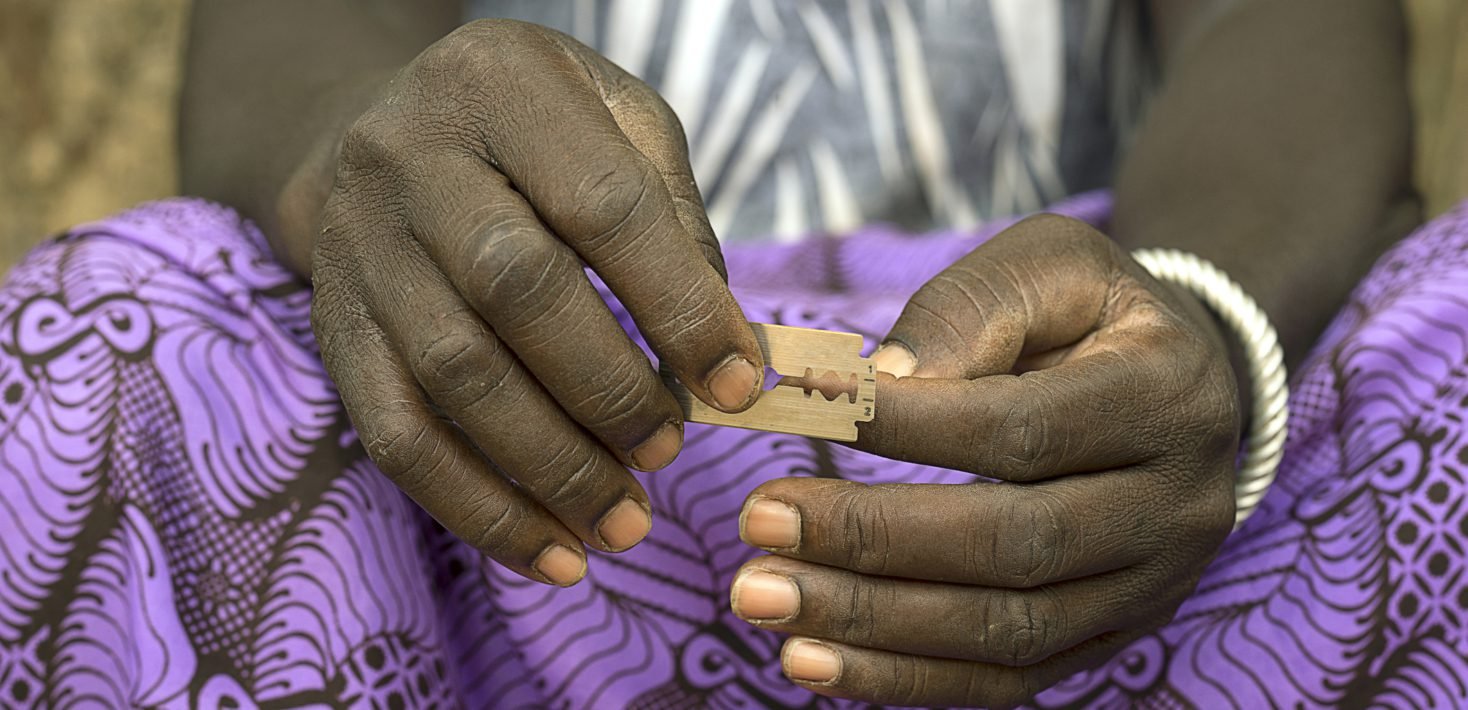
According to UNICEF, about 38 percent of Liberian women aged 15–49 have undergone FGM, with Nimba County among the areas with the highest prevalence. Survivors describe being taken into the bush at night, held down, and cut without anesthesia. The long-term effects often include infections, infertility, complications during childbirth, and emotional trauma.
Government’s Limited Reach
Liberia has taken steps to address the practice, including establishing a two-year FGM ban in 2022 and opening alternative livelihood centers for traditional practitioners. But many local residents say these efforts have not reached remote villages.
“FGM is still happening in the shadows,” says a women’s group leader in Ganta. “The law is on paper, but the bush is still active.”
Local police sources confirmed receiving reports about Anna’s case but said investigations are ongoing. So far, no arrests have been made.
A Growing Climate of Fear
Anna’s case highlights a wider problem faced by activists in rural Liberia. Many have been forced to flee or go silent, leaving young girls vulnerable.
“Every time someone speaks up, they are branded as enemies of culture,” said the activist. “Until we protect girls like Anna, FGM will continue behind closed doors.”
A Call for Protection
Anna is currently receiving support from a some unknown relatives in Nimba, but her future remains uncertain. She is said to be taken to Monrovia for safety.
Her story has renewed calls for stronger community protection systems, legal enforcement, and safe spaces for girls at risk of FGM.
“I want to go back to school and live a normal life,” Anna whispered in a telephone conversation with a local radio station in Nimba. “I don’t want to die for something my mother believed in.”
Liberia’s failure to protect vulnerable girls from traditional practices is once again under the spotlight. Unless stronger measures are enforced, activists warn that more girls like Anna may find themselves running for their lives in the dead of night.
About the Author