

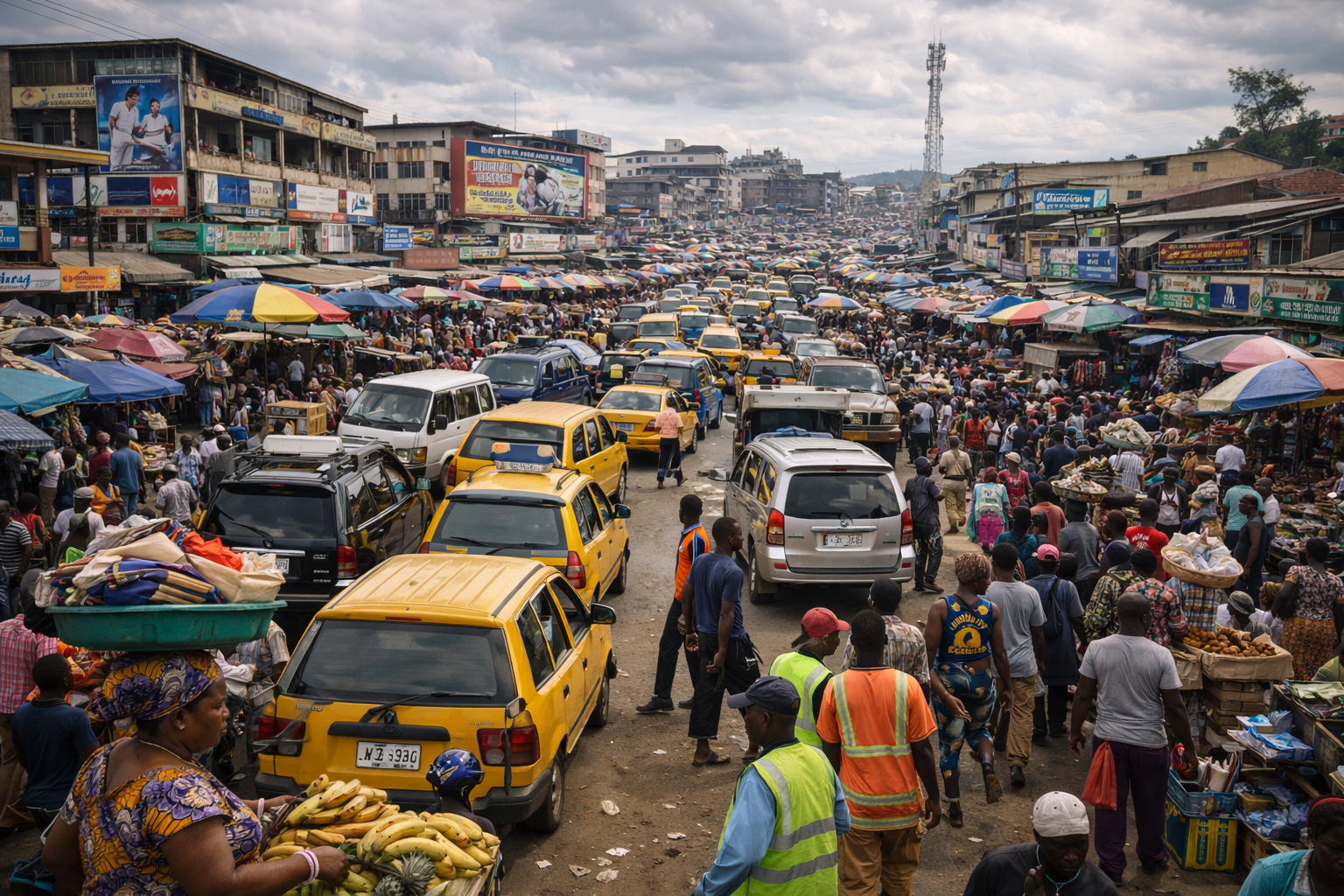
The World Bank Group has commended the Central Bank of Liberia (CBL) for significant strides in maintaining monetary stability, strengthening the banking sector, and advancing digital financial systems.
In a statement issued on March 23, 2026, the World Bank’s Managing Director and Chief Knowledge Officer, Pascal Donohoe, described Liberia’s recent economic progress as “a great moment of opportunity,” despite ongoing global uncertainties.
Donohoe underscored the critical role of the private sector in driving job creation, noting that nearly 90 percent of Liberia’s businesses are small enterprises employing fewer than eight people. He pointed to the Liberia Investment, Finance, and Trade (LIFT) Project as a key success, revealing that more than 200 small and medium-sized enterprises (SMEs) received a combined USD 6 million in support. Notably, 40 percent of these businesses accessed commercial credit for the first time.
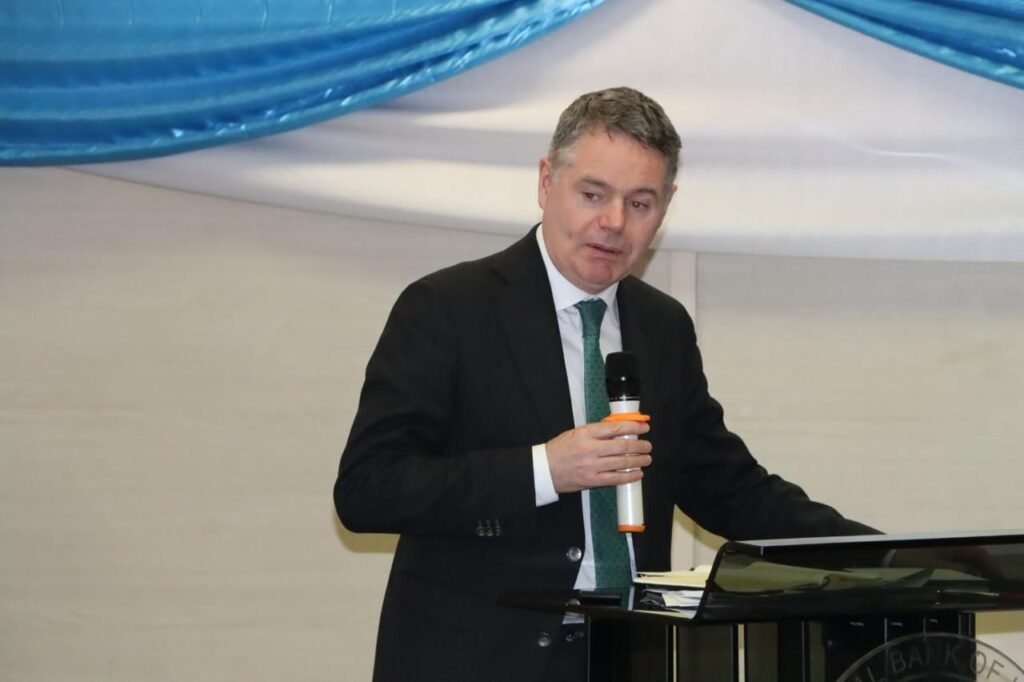
The World Bank also reaffirmed its support for the rollout of Liberia’s Credit Reference System, expected to launch in April 2026, alongside ongoing insolvency reforms aimed at improving the business environment. Donohoe emphasized that while strong tax revenues are important, sustainable economic growth ultimately depends on a vibrant and expanding private sector.
During his visit to the CBL headquarters in Monrovia on March 20, his first official trip to West Africa since assuming office in November 2025, Donohoe met with Central Bank Executive Governor Henry F. Saamoi.
Governor Saamoi highlighted the bank’s achievements in stabilizing the economy through prudent monetary policies. He noted that inflation dropped to 4 percent in December 2025, marking its lowest level in nearly two decades, and further declined to 3.1 percent by February 2026.
The banking sector has also shown notable improvement. Non-performing loans decreased significantly from 21.6 percent in January 2025 to 12.79 percent in February 2026, reflecting stronger regulatory oversight and improved risk management practices.
Additionally, the introduction of new Liberian banknotes has enhanced public confidence in the financial system and improved cash circulation nationwide.
Liberia’s digital financial landscape is also expanding rapidly. The Instant and Inclusive Payment System (IIPS) recorded over 1.53 million transactions within three months, valued at LRD 1.43 billion and USD 9.03 million. Meanwhile, the Central Bank is advancing the deployment of a National Electronic Payment Switch to better integrate financial institutions and streamline transactions.
Institutional reforms within the CBL have further strengthened governance, with improved internal controls and transparency contributing to operational surpluses recorded in both 2024 and 2025.
These developments, according to both the World Bank and the Central Bank, signal a growing foundation for sustained economic stability and long-term growth in Liberia.
About the Author