
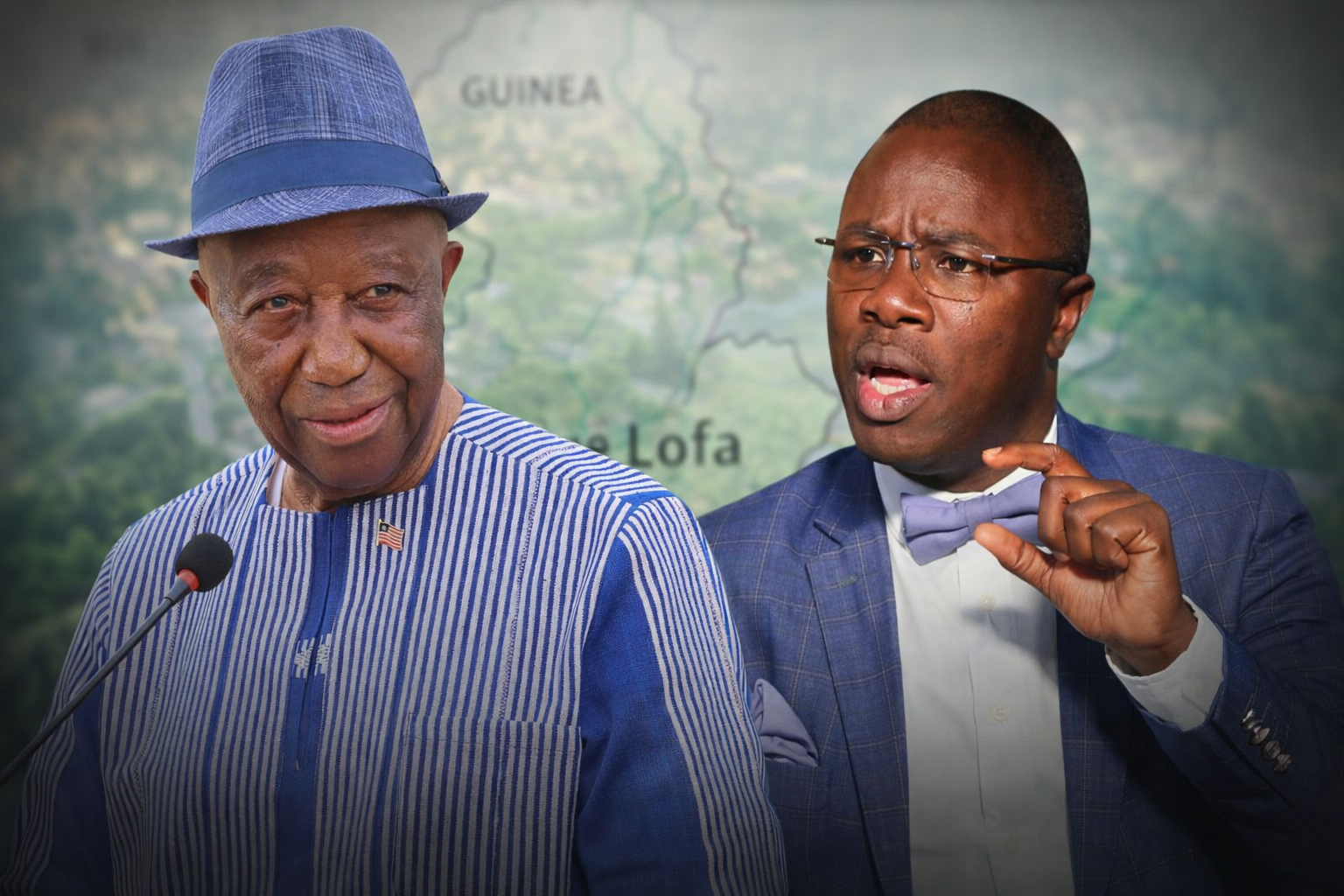
Monrovia, Liberia — The Secretary General of the Congress for Democratic Change (CDC), Jefferson Tamba Koijee, has voiced strong criticism over what he described as growing political manipulation, tribal division, and governance failures affecting Liberia’s Lofa County.
Lofa is a northern county bordering the Sierra Leone and Guinea and is widely know for upholding cultural custom.
Speaking during an interview marking a local anniversary event, Koijee, who previously served as Mayor of Monrovia, warned against attempts to exploit cultural identity and traditional institutions for political advantage. He urged citizens to defend the unity and dignity of Lofa County and resist what he called the “political bastardization” of its culture and traditions.
According to Koijee, the identity of Lofa County should be rooted in unity rather than tribal segmentation. He emphasized that Lofa represents a diverse community of ethnic groups, including Lorma, Kissi, and Mandingo peoples, who must coexist without being manipulated by political actors.
“Lofa must represent our country in unity and diversity,” Koijee said, cautioning that leaders should not use tradition or cultural identity as a tool to divide communities or marginalize certain groups.
Concerns Over Marginalization
Koijee also raised concerns about what he described as the unfair treatment of some leaders from Lofa County within the national government. In particular, he criticized what he characterized as public humiliation and targeting of officials from the Lorma ethnic group.
He pointed to controversies surrounding the country’s Minister of Internal Affairs, arguing that the situation had become a national embarrassment and had unfairly reflected on the Lorma people.
“This is an open attack on the Lorma people,” Koijee said, adding that political disputes should not translate into disrespect for entire ethnic communities.
The CDC official further alleged that the current political environment has created perceptions of “first-class and third-class citizens” among people in northern Liberia. He warned that such divisions could deepen distrust within communities and undermine national cohesion.
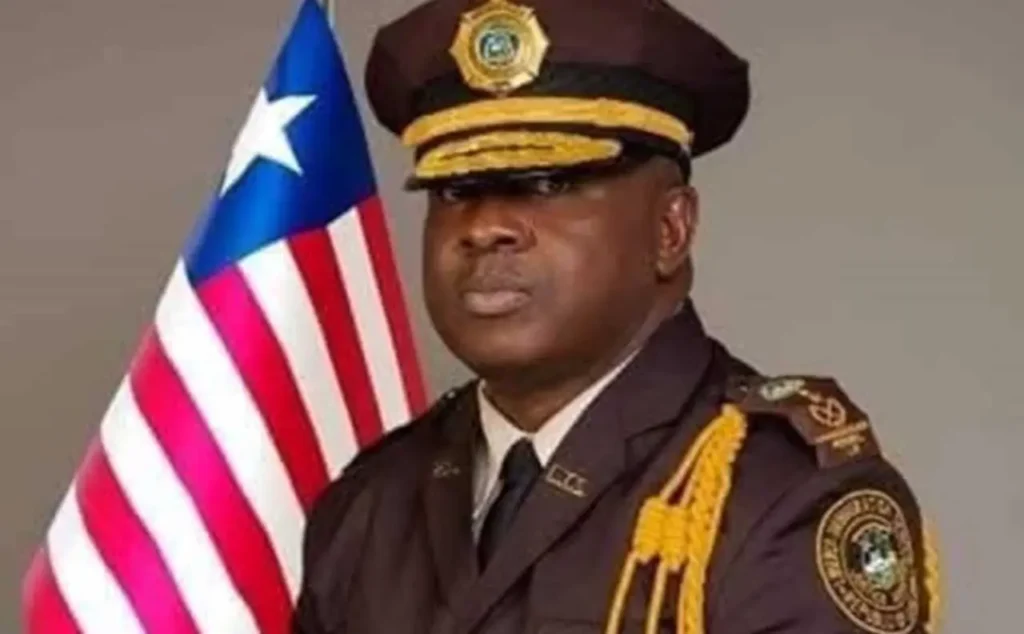
Stressing on the political manipulations by President Boikai and his cohort of tribal aristocrats to remove the former Commissioner the Liberia Immigration Service (LIS), Hon. Steve Zargo, Mayor Koijee calls on him to be true to himself and state what really happened?
“I don’t blame Mr. Boakai, or anybody. I blame Zargo. Because Zargo needs to be honest to himself” Koijee lamented; stressing, “If Zargo was very honest to himself, he would not be treated like this”.
Zargo, a well-known figure in Liberia’s security sector and a former Senator representing Lofa County, was suspended in late 2024 by President Joseph Nyumah Boakai, whom he often refers to as his “uncle.” Although he made a few brief remarks in May this year, his comments on Sunday represented his most open and detailed response since the suspension.
When he broke silence on the matter, Zargo rejected a series of circulating rumors that linked his removal to alleged financial misconduct, claims that he refused to arrest former Finance Minister Samuel D. Tweh, or accusations surrounding the deportation of a Guinean national who was later killed after returning to his country.
“I heard a lot of stories about my suspension and subsequent dismissal,” Zargo said. “Some said it was due to misappropriation, others claimed it was because I refused to arrest former Finance Minister Samuel Tweh. Another account suggested it was because I deported a Guinean who was later killed. Sadly, none of these are true.”
According to Zargo, the official communication from the Executive Mansion simply indicated that President Boakai believed his performance had not met expectations. However, he insisted that during his nine months in office, he worked actively to reform the Liberia Immigration Service (LIS), introducing new systems and procedures aimed at strengthening border security and improving administrative accountability within the institution.
Koijee, drawing a thin line on the matter, notes that Zargo wasn’t speaking the truth probably out of fear or upholding the sacred tradition of Lofa county even at his detriment and manipulations of tribal elements in the Boakai’s regime.
Call for Accountability and Unity
Koijee also criticized what he described as a pattern of political favoritism and the appointment of officials who, in his view, have limited connection to Lofa County or its people. He argued that leadership positions should reflect a genuine understanding of local communities and their needs.
He urged citizens, including members of the Liberian diaspora, to remain vigilant and actively defend the values and traditions of their communities.
“We will speak the uncomfortable truth,” Koijee said, adding that criticism of government policies should not be interpreted as hostility but as part of democratic accountability.
Political Context
Koijee’s remarks come amid heightened political tensions in Liberia as parties reposition themselves ahead of future political contests. The CDC remains one of the country’s largest political parties and continues to play a prominent role in national political discourse.
As a former mayor of Monrovia and a prominent figure within the party, Koijee has frequently used public platforms to address governance issues, national unity, and political accountability.
While his latest comments have sparked debate, they also highlight ongoing concerns about ethnic representation, political inclusivity, and governance in Liberia’s diverse political landscape.
About The Author