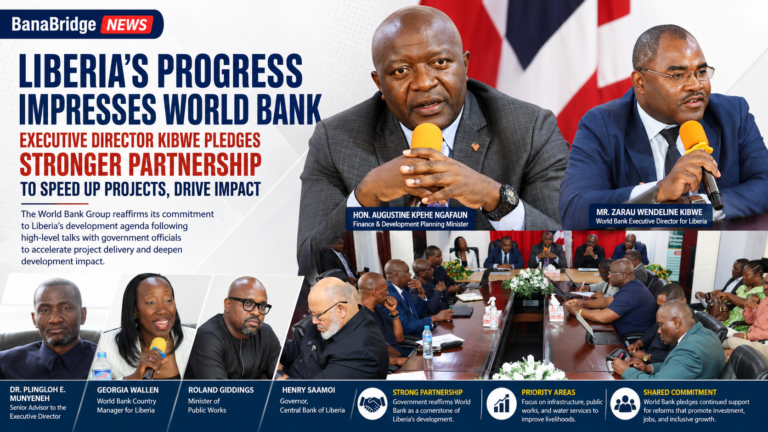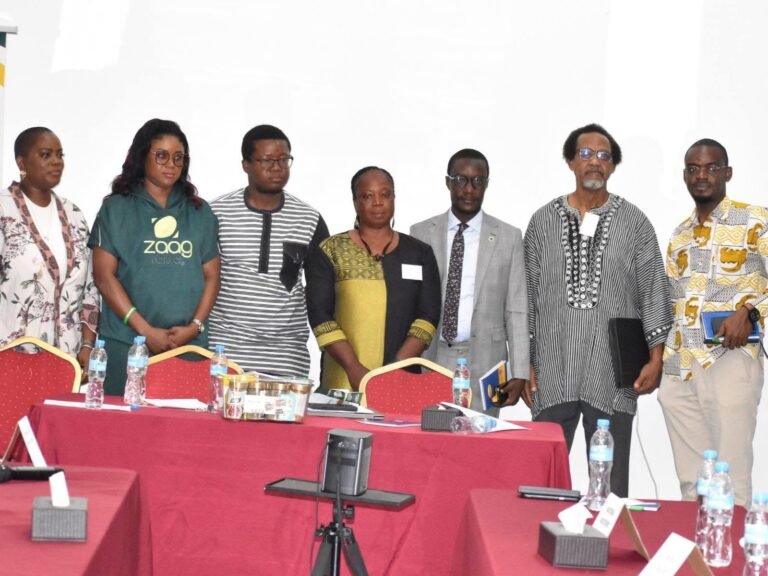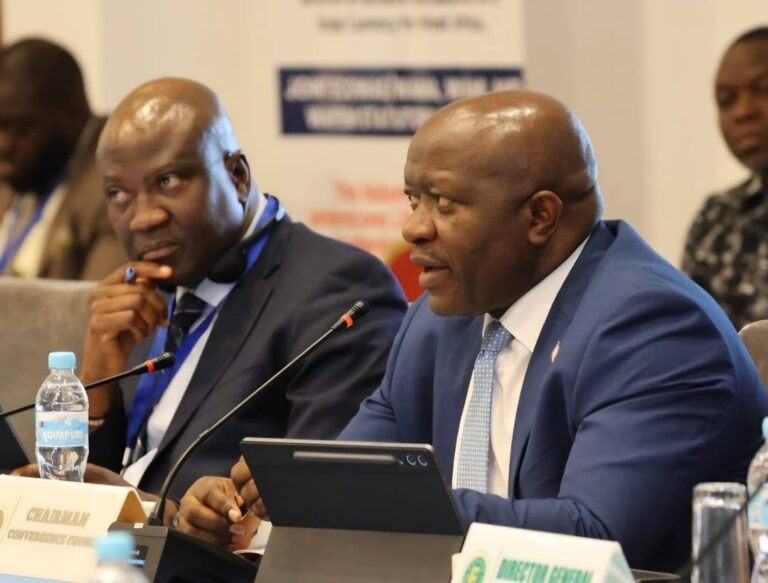

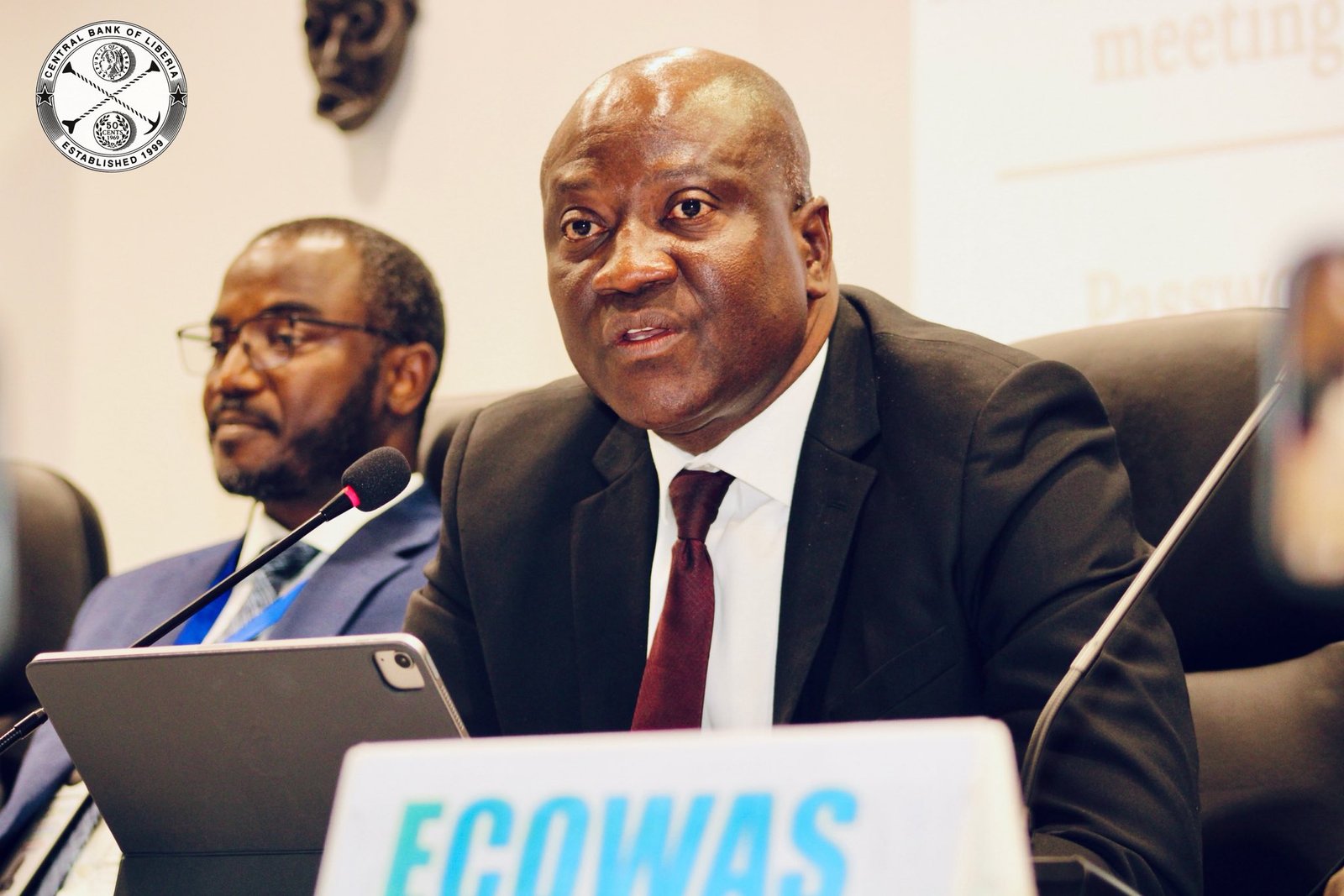
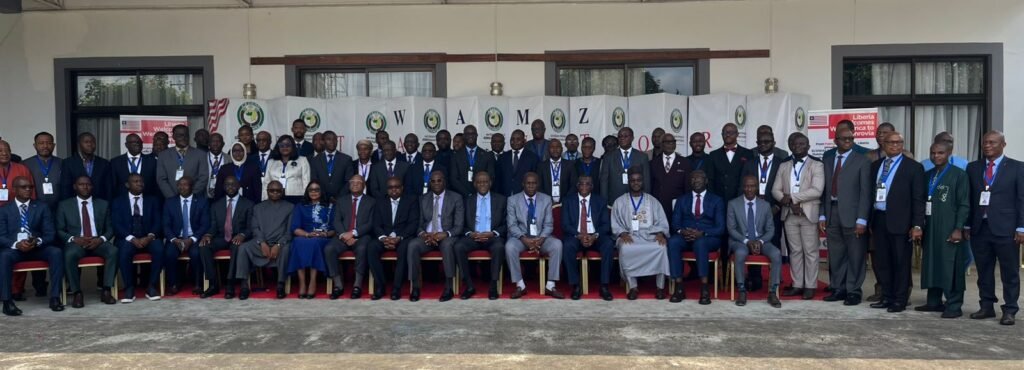
Liberia’s economic outlook took center stage as the Governor of the Central Bank of Liberia (CBL), Hon. Henry F. Saamoi, addressed the joint opening ceremony of the 67th Ordinary Meeting of the Committee of Governors of the Central Banks of ECOWAS Member States in Monrovia, underscoring the country’s recent gains and renewed commitment to regional integration.
Governor Saamoi welcomed high-level dignitaries, including the Chair of the Committee of Governors, members of parliament, and representatives of regional and international institutions. He described the meetings as more than routine statutory engagements, calling them critical milestones in West Africa’s collective pursuit of monetary cooperation, financial stability, and the long-standing objective of a single regional currency.
Quoting former ECOWAS Secretary-General Dr. Abass Bundu, the Governor stressed that regional integration is “not an option for West Africa; it is an imperative for survival in a globalized world.”
Turning to domestic performance, Governor Saamoi reported that Liberia’s economy expanded by 5.1 percent in 2025, outpacing the regional average of 4.5 percent and the global growth rate of 3.3 percent. He attributed this momentum largely to strong industrial activity, particularly in mining, where iron ore and gold exports drove a 17 percent growth in the sector.
Inflation, he noted, averaged 8.5 percent in 2025. To balance price stability with growth, the Central Bank maintained a tight monetary policy stance while supporting credit expansion and broader economic activity.
On the regional agenda, the Governor reaffirmed Liberia’s support for the ECOWAS convergence criteria and the roadmap toward a common currency. He highlighted the critical roles played by regional institutions such as the West African Monetary Agency (WAMA), the West African Monetary Institute (WAMI), and the West African Institute for Financial and Economic Management (WAIFEM) in providing technical expertise, policy guidance, and capacity-building across member states.
Governor Saamoi acknowledged global headwinds, including economic uncertainty, climate shocks, and rapid technological change, but said these challenges also present opportunities to innovate and deepen intra-regional trade. With discipline, courage, and a shared vision, he said, a unified monetary zone remains within reach.
He further disclosed that Liberia’s net international reserves exceeded the International Monetary Fund-agreed target of US$266 million by nearly US$16 million at end-December 2025, rising from US$234 million in 2024. The Liberian dollar depreciated by just 0.9 percent against the U.S. dollar during the year, well within ECOWAS’ secondary criterion of ±10 percent, while recording a 3.2 percent appreciation on an end-period basis compared to December 2024.
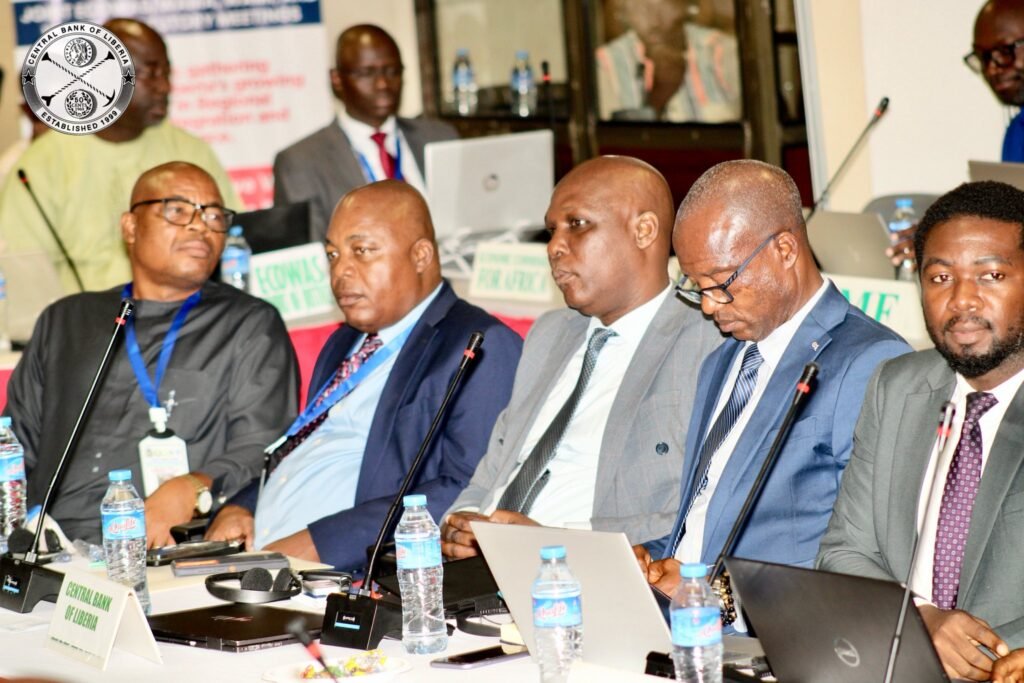
According to the CBL Governor, Liberia’s external sector remained robust, with exports climbing by more than 30 percent and gross external reserves increasing by US$101 million to US$575.5 million. Public debt was projected to decline to 54.2 percent of GDP, strengthening compliance with ECOWAS convergence benchmarks and positioning Liberia among the region’s stronger performers in budget deficit control and debt sustainability.
“The ratios of deficit-to-GDP and debt-to-GDP place Liberia among the best-performing countries under the convergence criteria,” Governor Saamoi said, reaffirming the government’s commitment to sound macroeconomic management and regional cooperation.
Also speaking at the event, Dr. Baba Yusu Musa, Director-General of WAIFEM, commended Liberia’s focus on accelerating regional capacity building and strengthening partnerships to address West Africa’s economic challenges. He explained that the meetings, organized in collaboration with WAMA and WAMI, are designed to advance the single currency agenda while promoting monetary cooperation, financial stability, and deeper regional integration.
Dr. Musa pledged WAIFEM’s continued dedication to innovation and effectiveness, noting that in 2025 the institute successfully delivered 54 high-quality training and capacity-building programmes, reaching 1,712 participants across member states and beyond. In the second half of the year alone, WAIFEM conducted 29 programmes for 896 participants, underscoring its impact on institutional strengthening and human capital development.
“These figures represent lives transformed, institutions strengthened, and economies better equipped to navigate an increasingly complex global environment,” he said.
The ongoing meetings are expected to yield key policy decisions aimed at enhancing monetary cooperation, safeguarding financial stability, and accelerating regional integration, steps seen as vital to strengthening West Africa’s economic ties and shaping the region’s future development trajectory.
About the Author