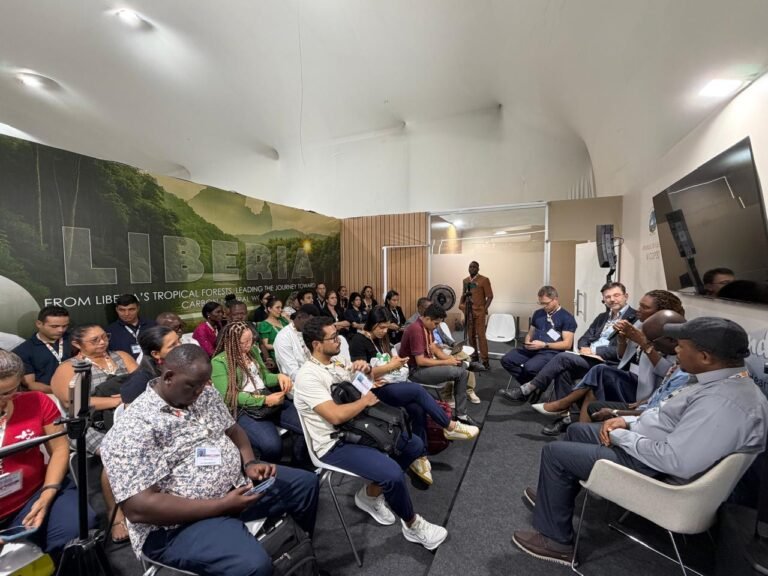


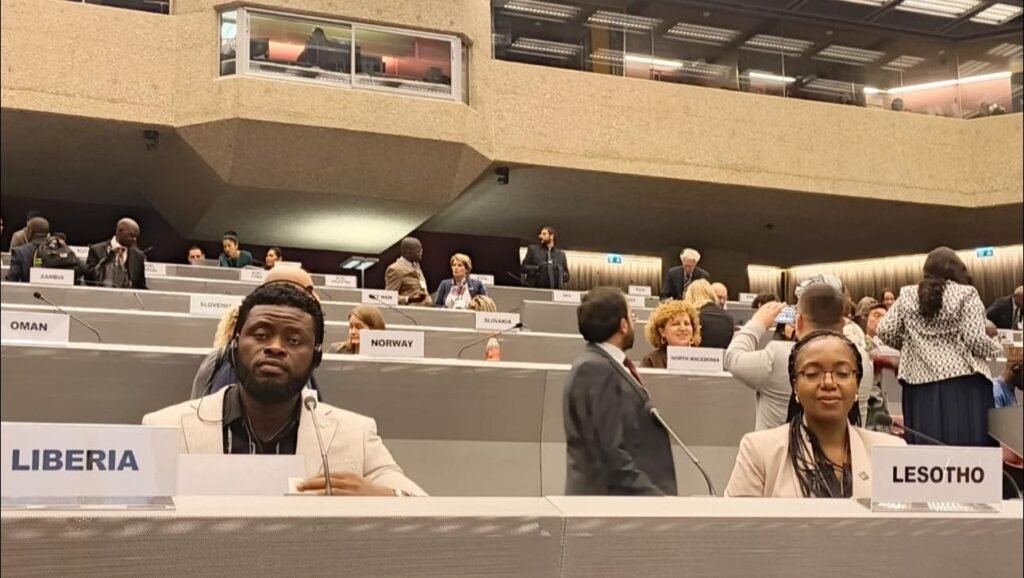
When Liberia stepped into COP30 in Belém, it did not come to play a supporting role. It came with a mission: to convince the global climate community that mining must be included in climate finance, and that Liberia deserves support to transform the sector.
EPA Director of Compliance and Enforcement, John K. Jallah Jr., complimented that charge with a message that blended realism with ambition. Mining, he said, is woven into Liberia’s heritage, but the old way of doing things cannot carry the country forward.
The Hidden Costs of Extraction
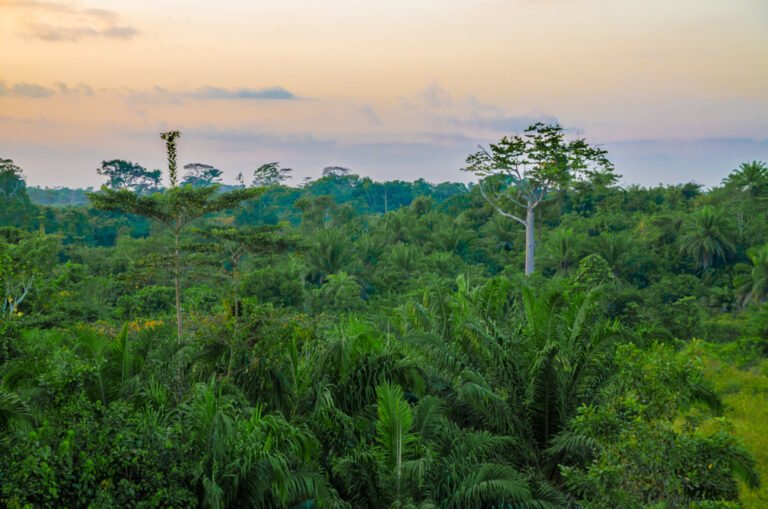
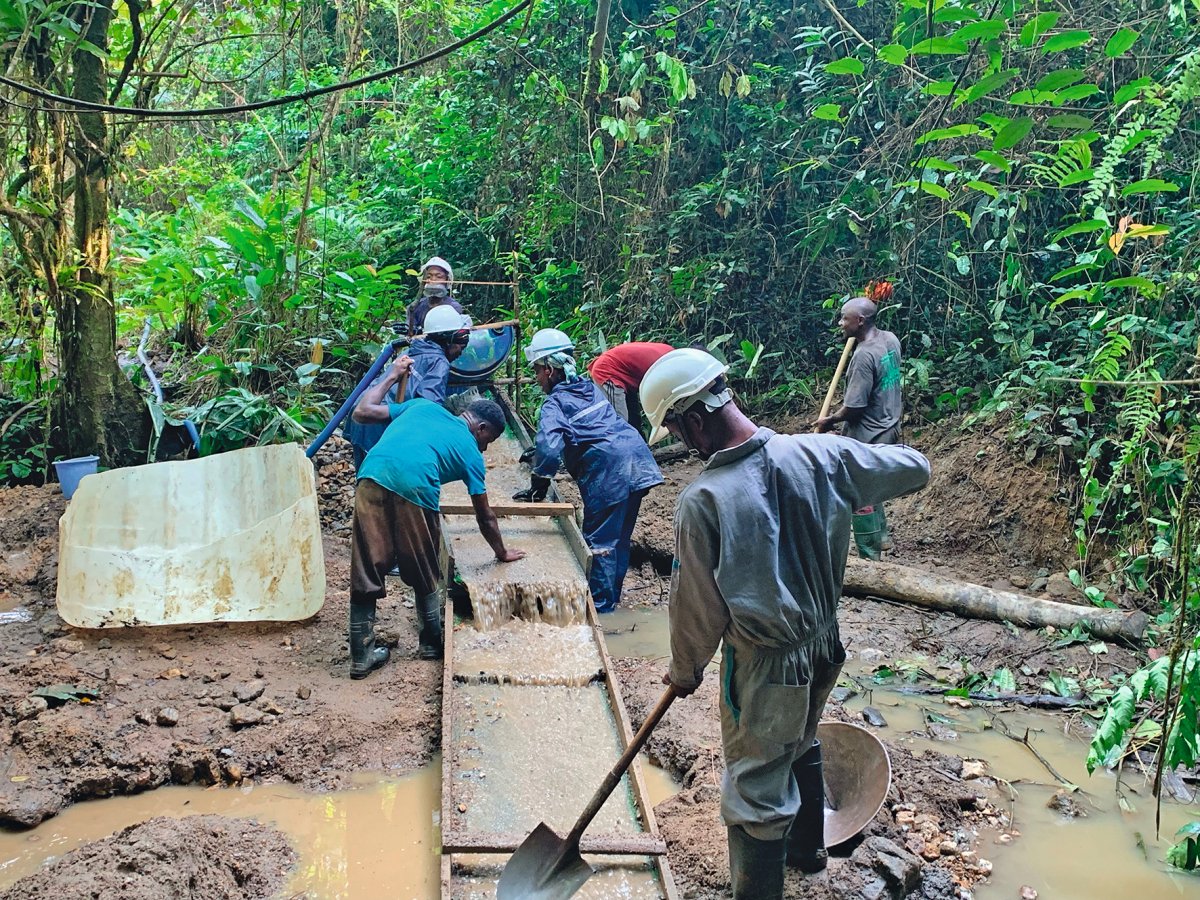
Despite its economic importance, Liberia’s mining industry drags behind a long shadow of environmental risk. Entire river systems bear the scars of pollution. Forests fall to unregulated operations. Communities endure mercury exposure and increased flooding as climate change intensifies.
Across West Africa, extreme rainfall has surged, and mining towns have become vulnerable hotspots. UNEP data shows artisanal miners around the world face dangerous mercury levels; Liberia’s mining belts experience this firsthand.
This was the backdrop Liberia presented to the world: a sector that contributes to national growth, yet suffers from vulnerabilities that climate finance programs have historically overlooked.
A New Narrative for Mining on the Climate Stage
At COP30, Liberia reshaped the conversation. Rather than presenting mining solely as an environmental challenge, Jallah positioned it as a potential climate solution when managed responsibly. He argued that modernized mining practices can cut emissions, rehabilitated lands can boost natural carbon storage, and healthier communities are better prepared for climate shocks. This approach strengthened Liberia’s case on the global stage: if the world depends on clean energy, then it must also support clean mineral production, and countries like Liberia cannot be excluded from that transition.
What Liberia Wants From Climate Finance
Liberia’s request at COP30 was direct and firmly rooted in the realities facing its mining communities. The country laid out five priority areas where climate financing could create immediate and long-term impact. First, Liberia called for support to transition artisanal miners to mercury-free gold processing, a shift that would protect rivers, safeguard community health, and stabilize livelihoods. Second, it appealed for investment in renewable-energy systems for mining operations, replacing diesel with solar and hybrid technologies to cut emissions and operating costs. Third, Liberia emphasized the need for digital monitoring tools, drones, sensors, and real-time environmental tracking, to improve oversight and enforce compliance. Fourth, the country sought financing for land restoration and proper mine-closure plans, aiming to heal degraded landscapes and rebuild ecosystems. Finally, Liberia pushed for community livelihood and resilience programs to support miners, women, youth, and families who rely on the sector for survival.
The message was unmistakable: responsible mining is climate action, and global climate finance frameworks must treat it as such.
Protecting Communities Through a Just Transition
But Liberia made it clear that technology alone is not enough. The country emphasized that any transition in the mining sector must protect and uplift the people whose lives depend on it. That means providing safer, non-toxic alternatives for artisanal miners, offering retraining and new skills for workers who may be displaced by modernized practices, and expanding economic opportunities for women and youth who are often left out of mining’s benefits. It also requires creating fairer systems for sharing mining revenues and ensuring communities have a real voice through local monitoring and participation.
By centering people at the heart of its reforms, Liberia strengthened its influence at COP30 and aligned itself with global calls for fairness, equity, and shared responsibility in the transition to a greener future.
Governance Reforms Strengthening Liberia’s Case
To strengthen confidence among potential partners, Jallah pointed to governance reforms already taking shape at home. These include improvements in revenue transparency, new commitments to contract disclosure, greater community participation in mining-related decisions, and tougher enforcement of environmental standards. Together, these measures signal that Liberia is not only aware of the challenges within its mining sector, but is actively building the systems needed to manage climate funds responsibly. They position the country as a credible, prepared, and forward-looking partner for investors and development institutions.
Why the Global Climate Community Should Care
The global shift to clean energy depends heavily on critical minerals. Solar panels, electric vehicles, wind turbines: all of them begin with mining. But as Liberia emphasized at COP30, the world cannot build a green future on the back of unsafe or environmentally damaging extraction. Mining must be ethical, safe, and aligned with climate goals. Liberia’s message captured a growing global reality: countries that rely on clean-energy technologies cannot demand responsible mineral supply chains while ignoring the needs of the nations that supply those minerals. By making that point unmistakably clear, Liberia positioned itself as an essential part of the global solution.
Editor’s Note
Liberia’s stance at COP30 signals a turning point in how the nation frames its mining sector within the global climate conversation. This feature breaks down Liberia’s push for climate finance, cleaner extraction, and community-focused reforms, issues that sit at the heart of the country’s development future. As the world races toward clean energy, Liberia is making it clear: sustainable minerals require sustainable investment.
About the Author