
Monrovia: Liberia has taken two major steps toward a more climate-resilient future through the launch of its first National Mangrove Inventory and a renewed call for national ownership of the country’s Nationally Determined Contributions (NDC 3.0). Both initiatives underscore the government’s commitment to protecting ecosystems, reducing carbon emissions, and embedding climate action into every layer of national development planning.
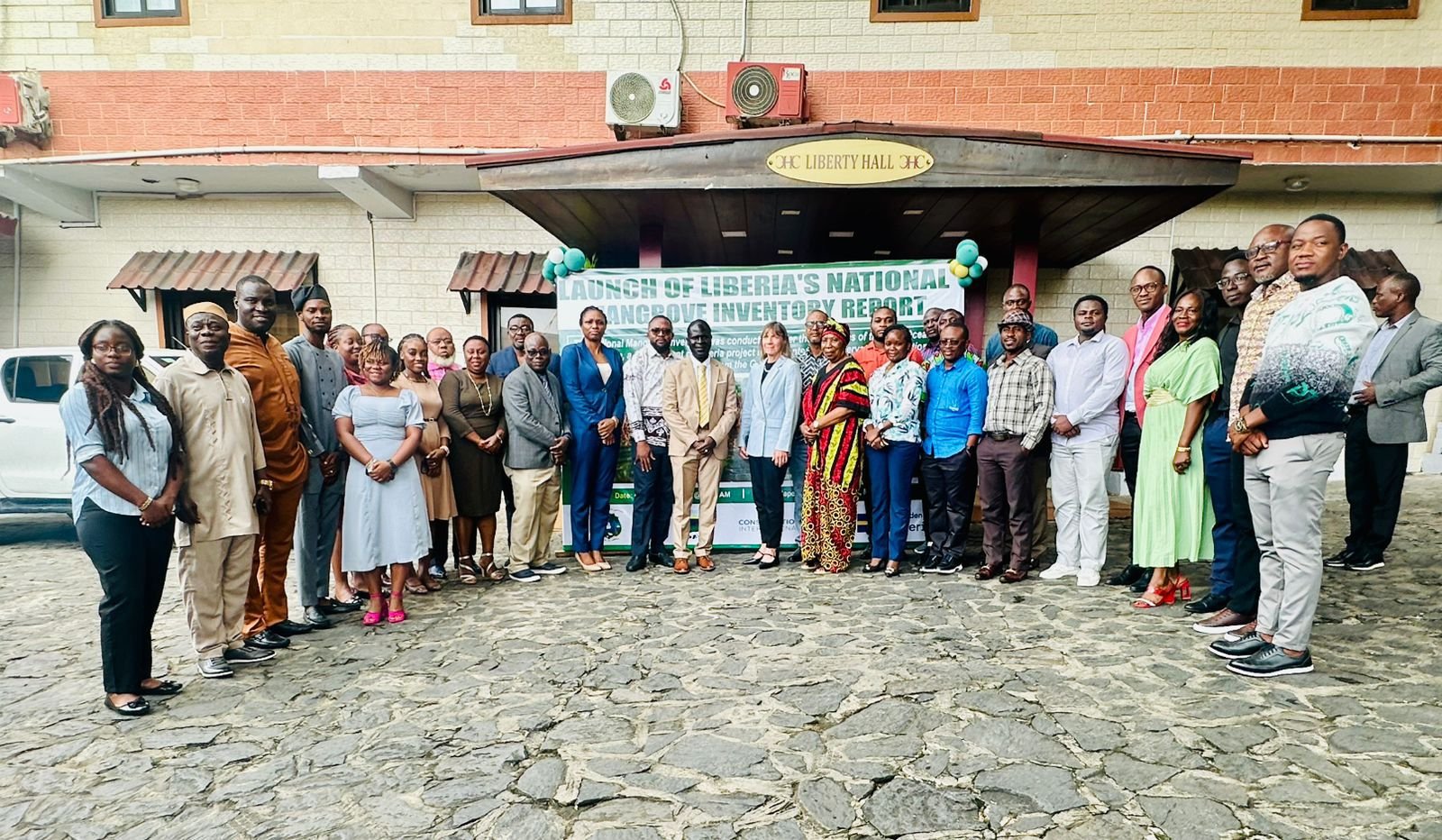
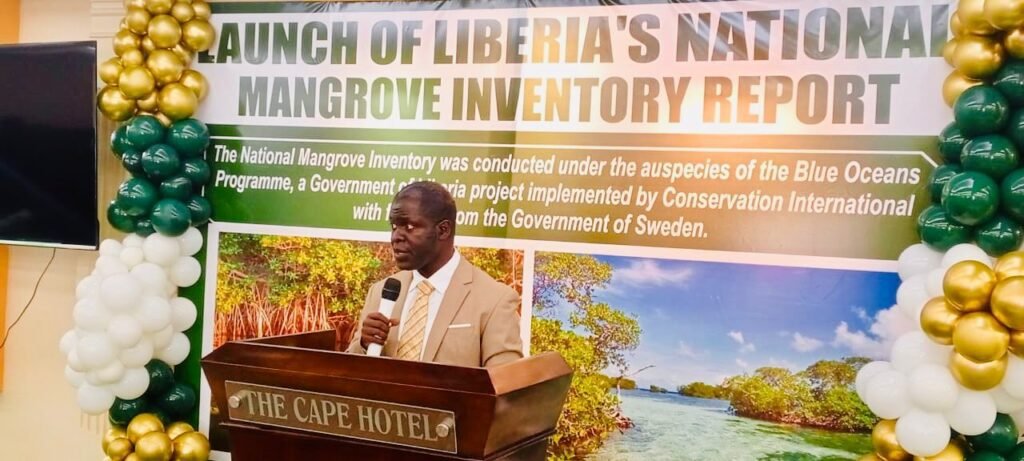
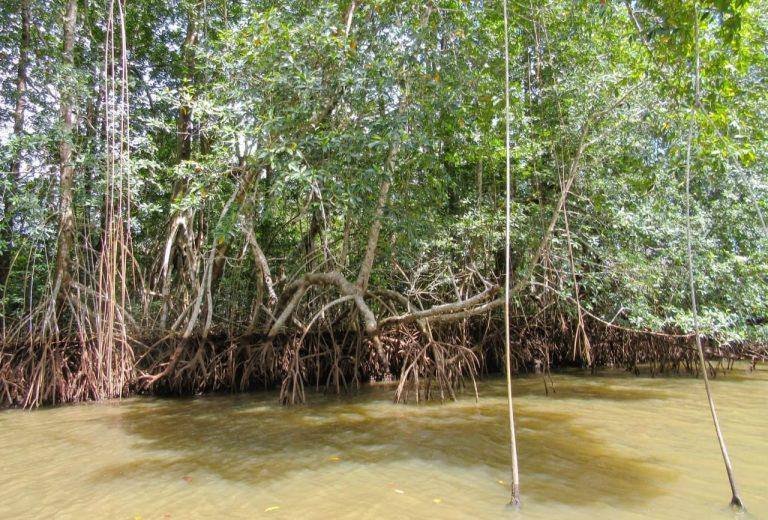
At a ceremony held in Sinkor on October 28, 2025, the Environmental Protection Agency, in partnership with the Government of Sweden and Conservation International, officially launched the National Mangrove Inventory, a scientific tool that provides real-time data on the extent, health, and carbon-storage potential of Liberia’s mangrove forests.
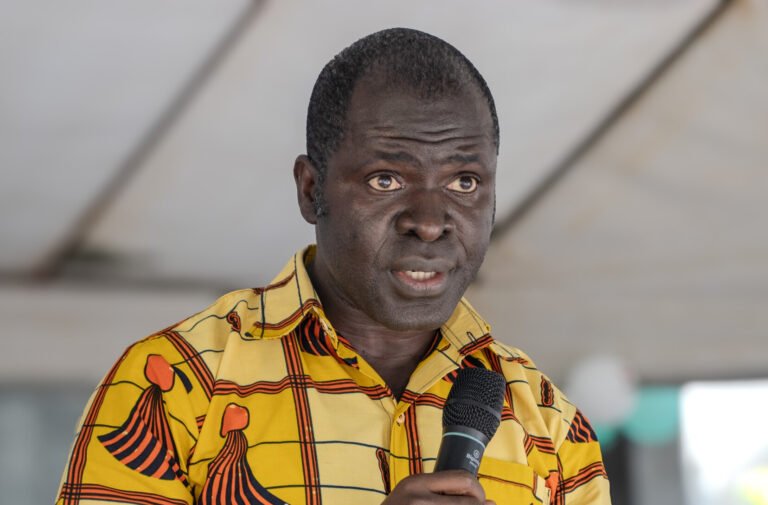
EPA Executive Director Dr. Emmanuel K. Urey Yarkpawolo described the inventory as “a breakthrough in Liberia’s environmental management,” explaining that the data will guide investments in the blue economy through sustainable fisheries, eco-tourism, and renewable-energy initiatives. “Mangroves are our frontline defense against coastal erosion, vital nurseries for fish and crabs, and powerful blue-carbon sinks,” he said.
The launch builds on Executive Order No. 143 issued by President Joseph Nyuma Boakai in 2024, which mandates the protection and restoration of all wetlands. The EPA has since formed a National Wetlands Task Force to coordinate research, law enforcement, and policy harmonization.
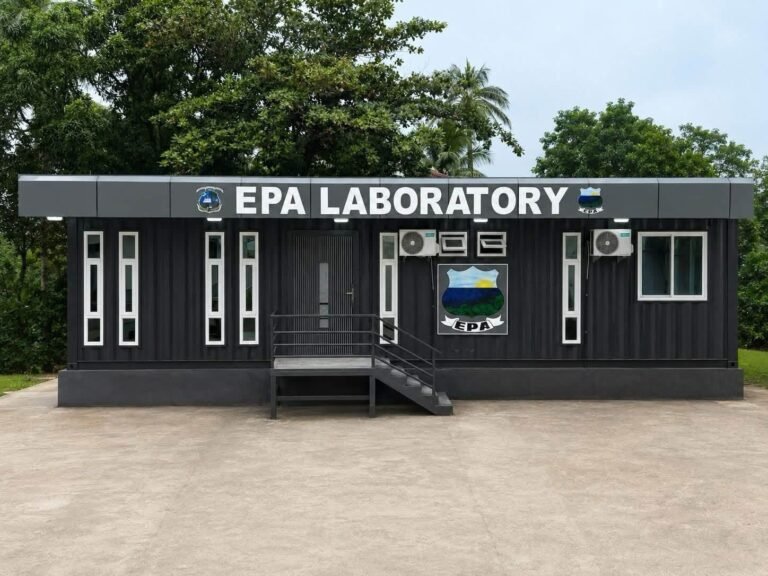
To support this work, the EPA recently received a state-of-the-art Elemental Analyzer donated by the International Atomic Energy Agency (IAEA) to measure soil and sediment carbon content. The agency has also developed a US $3.2 million national budget framework aimed at halting mangrove degradation and is appealing to development partners to help fully fund its implementation.
Both the Government of Sweden, through its Blue Oceans Programme, and Conservation International have been credited for their technical and financial support in advancing the initiative.
Linking Ecosystems to National Climate Commitments
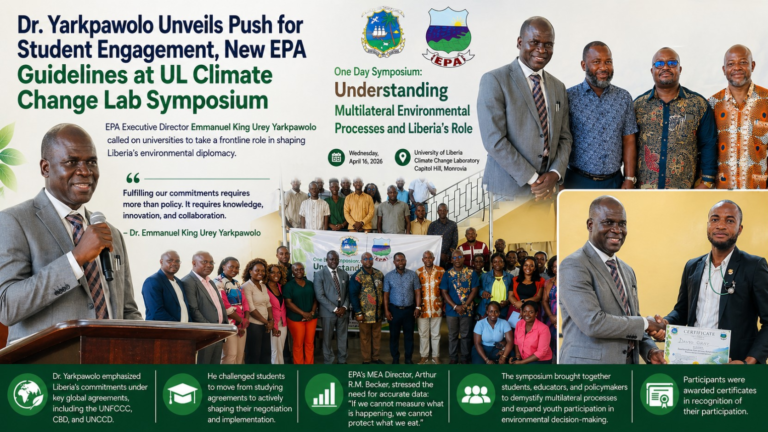
On the same day, at the University of Liberia, Dr. Yarkpawolo addressed policymakers, researchers, and sectoral leaders at the NDC 3.0 High-Level Sectoral Policy Buy-In Workshop. He called on Liberia’s NDC Focal Points to “take ownership” of the process, stressing that their efforts would determine how effectively the country meets its climate targets.
Liberia’s NDC 3.0 sets an ambitious goal of reducing greenhouse-gas emissions by 64 percent by 2035, with 10 percent funded domestically and 54 percent through international support. “This document is not just a climate plan,” Dr. Yarkpawolo said. “It is a national development blueprint aligned with the ARREST Agenda.”
He emphasized that credible data remains Liberia’s most powerful tool in attracting investment and global trust. “Data is not just numbers; it is evidence that convinces donors, informs policies, and drives climate finance,” he noted, recalling that Liberia once ranked among the top 10 countries worldwide for timely NDC reporting.
To strengthen data systems, the EPA will soon launch the Capacity Building Initiative for Transparency Phase II (CBIT II) in collaboration with UNDP Liberia and the UNFCCC Regional Collaborating Centre in Lomé. The initiative will equip national NDC teams with technical skills in greenhouse-gas accounting, mitigation tracking, and adaptation monitoring.
Toward a Sustainable Future
Under Dr. Yarkpawolo’s leadership, the EPA has rolled out a five-year strategic plan, deployed environmental inspectors across counties, and established local offices to expand community engagement. His message across both events remained consistent: Liberia’s climate response must be collective, data-driven, and deeply rooted in national ownership.
From protecting mangrove ecosystems to building transparent climate-reporting systems, Liberia is charting a pragmatic course toward resilience and sustainable growth. With continued collaboration between government, local communities, and development partners, the nation is positioning itself as an emerging leader in the blue economy and environmental stewardship across West Africa.
Editor’s Note:
As climate change intensifies across the globe, Liberia is taking bold and strategic steps to safeguard its environment and strengthen climate resilience. The Environmental Protection Agency (EPA), under the leadership of Dr. Emmanuel K. Urey Yarkpawolo, has in recent weeks rolled out landmark initiatives from launching the country’s first National Mangrove Inventory to deepening national engagement on its updated climate roadmap, the NDC 3.0. Together, these efforts signal a clear shift toward evidence-driven environmental governance and sustainable growth aligned with President Joseph Boakai’s ARREST Agenda for inclusive development.
About the Author