

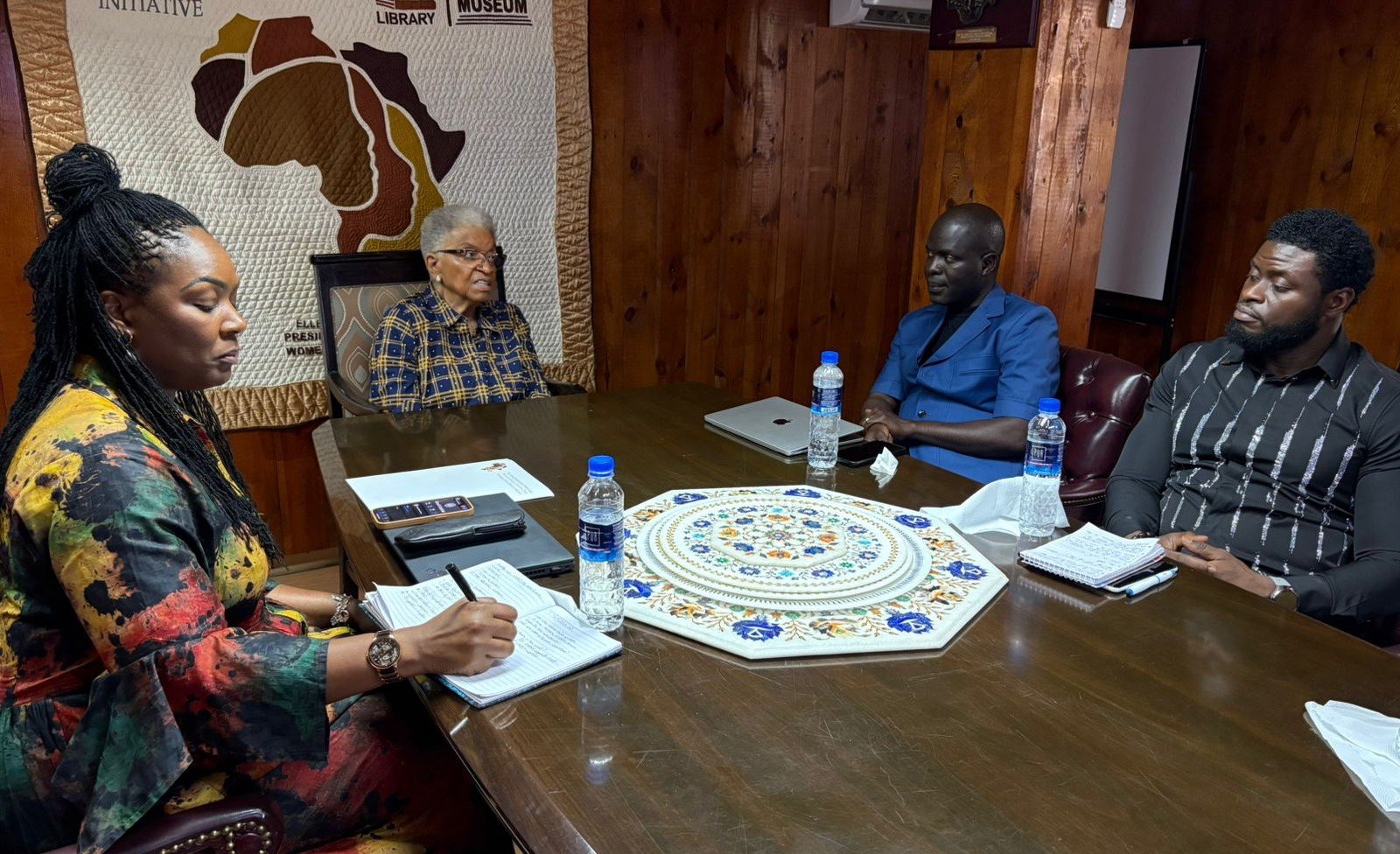
MONROVIA: The Environmental Protection Agency of Liberia (EPA) has sounded the alarm over growing coastal erosion threats along the JFK–Bernard’s Beach corridor in Sinkor, Monrovia. A new environmental risk assessment conducted at the request of former President Ellen Johnson Sirleaf has revealed that the site of the EJS Center for Women and Development faces serious long-term vulnerability to shoreline erosion, storm surges, and rising sea levels.
The EJS Center, located less than 500 meters from the Atlantic coastline, was assessed as part of a broader national push to build climate-resilient infrastructure in Liberia’s most exposed coastal zones.
Erosion Already Eating Away the Coastline
According to EPA’s technical team, the shoreline along this stretch of coast has retreated by approximately 2.9 meters between 2008 and 2023, driven by increasing wave action, sand mining, and unplanned development in wetland buffer zones. Although the site currently sits 14 to 20 feet above sea level, the agency warned that without proper intervention, erosion could worsen by 66 percent by 2100.
The assessment rated the site “High Risk”, assigning it a Composite Risk Index of 3.35. EPA specialists also flagged growing social concerns, including informal settlements, unmanaged waste, and drug use along the coastline factors that weaken both environmental integrity and community safety.
Key Recommendations
To protect the site and its surroundings, the EPA recommended several urgent actions:
- Maintain a minimum 50-meter setback from the active coastline.
- Use deep foundation systems and climate-resilient construction designs.
- Reinforce both on-site and neighborhood drainage networks to reduce flood risk.
- Restore and protect wetlands and dune vegetation to act as natural buffers.
- Strengthen waste management and enforce land-use regulations to stop unplanned development.
“These are not just technical suggestions,” one EPA engineer told BanaBridge News. “They are the minimum measures required if we want this site to survive the next decades of climate stress.”
Five-Phase Action Plan
The EPA has outlined a five-phase implementation roadmap to ensure long-term protection:
- Preparatory work and regulatory approvals
- Drainage improvement and reinforcement
- Integration with construction of the EJS Center
- Ecosystem restoration and community engagement
- Long-term monitoring and enforcement
The plan calls for coordinated action between the Ministry of Public Works, the Monrovia City Corporation, and the Liberia National Police to ensure compliance and prevent encroachment.
Climate Pressure on Liberia’s Coastline
Liberia’s coastline, stretching over 560 kilometers, is increasingly vulnerable to climate change impacts, especially sea-level rise and storm surges. A 2022 UNDP report estimated that about 250,000 people in coastal communities are at direct risk of displacement if current trends continue.
For Monrovia in particular, unchecked erosion threatens critical infrastructure, including roads, hospitals, schools, and residential neighborhoods.
A Model for Resilient Infrastructure
Although the EJS Center site is not yet in immediate danger of marine flooding, EPA emphasized that sustained environmental management and strict compliance with setback regulations are essential to avoid future damage.
The findings are part of Liberia’s National Adaptation Plan (NAP) and Coastal Vulnerability Framework, which seek to make public infrastructure more resilient to climate shocks. If implemented effectively, the EJS Center could serve as a model for climate-smart construction in West Africa.
“This is about protecting both national investments and communities,” the EPA statement concluded. “What we do now will determine whether the coast holds or washes away.”
✅ Editor’s Note:
Coastal erosion is one of Liberia’s fastest-growing climate threats, with more than 6,500 people in Monrovia alone living in erosion-prone areas. The country loses an estimated 1.5 meters of shoreline annually in some places, underscoring the urgency of sustainable coastal planning.
About the Author