

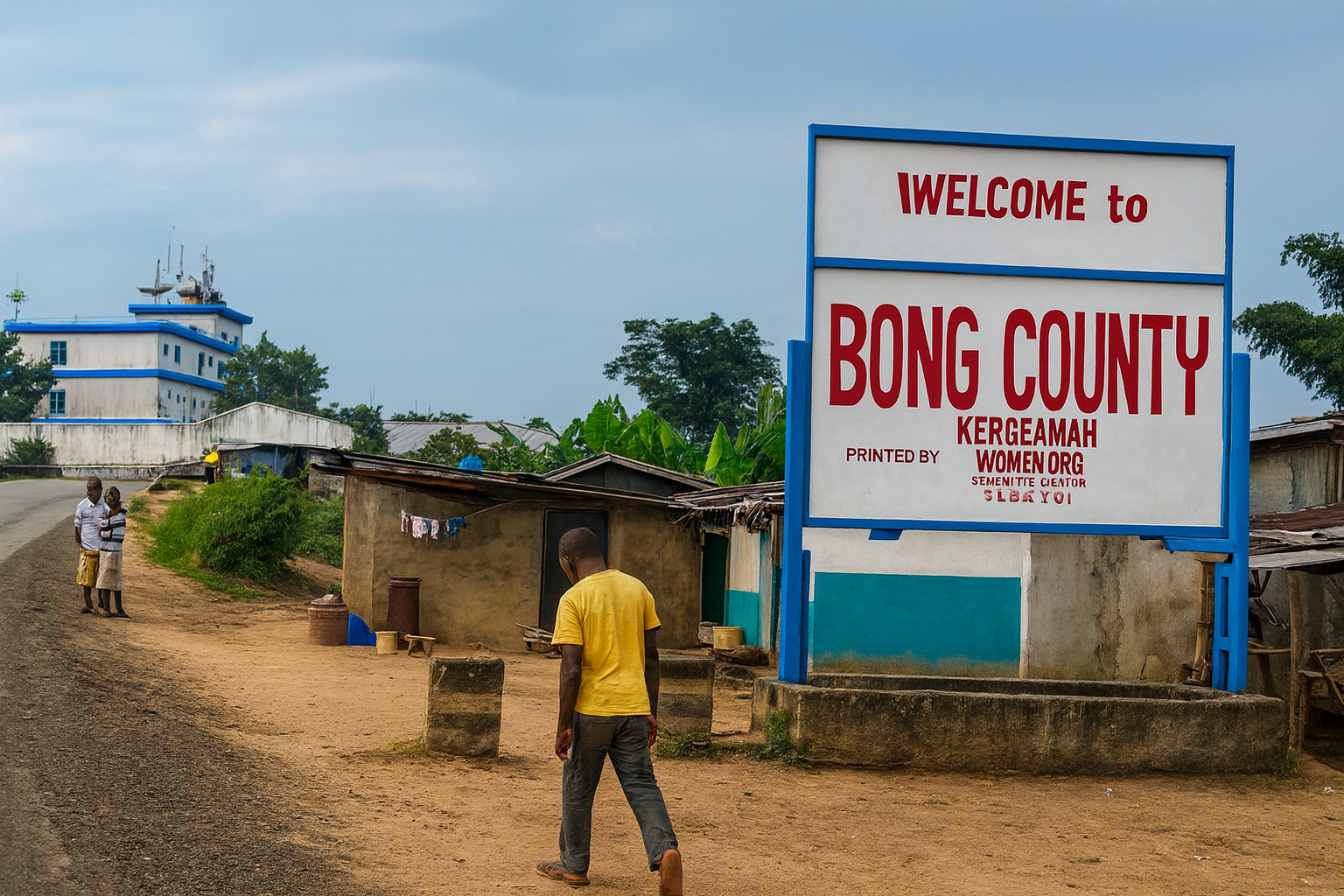
GBARNGA, BONG COUNTY, LIBERIA : In the rolling hills of Bong County, where rivers whisper history and forests cradle the memories of generations, the guardians of tradition are sounding an alarm: the Kpelleh culture is fading.
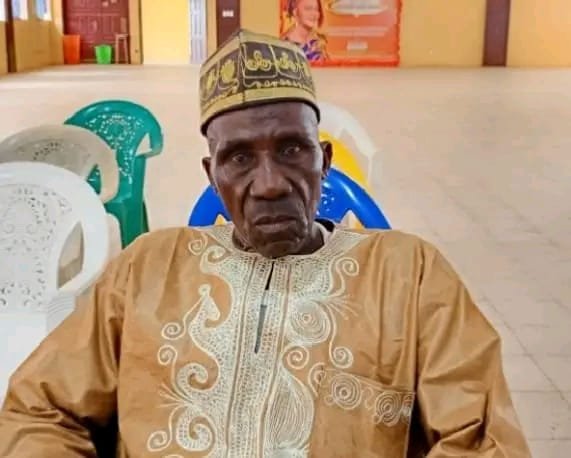
Among those raising their voice is Mr. John Kolleh, a respected elder whose life has been devoted to preserving the customs of his people. Sitting on a bamboo stool outside his modest home, decorated with murals of folklore and ancestral tales, Mr. Kolleh reflects on what he fears is the slow disappearance of the Kpelleh identity.
“It pains me to say this,” he laments, “but the Kpelleh culture is fading away before our very eyes. Our songs, our dances, our stories; they are being forgotten.”
A Vanishing Way of Life
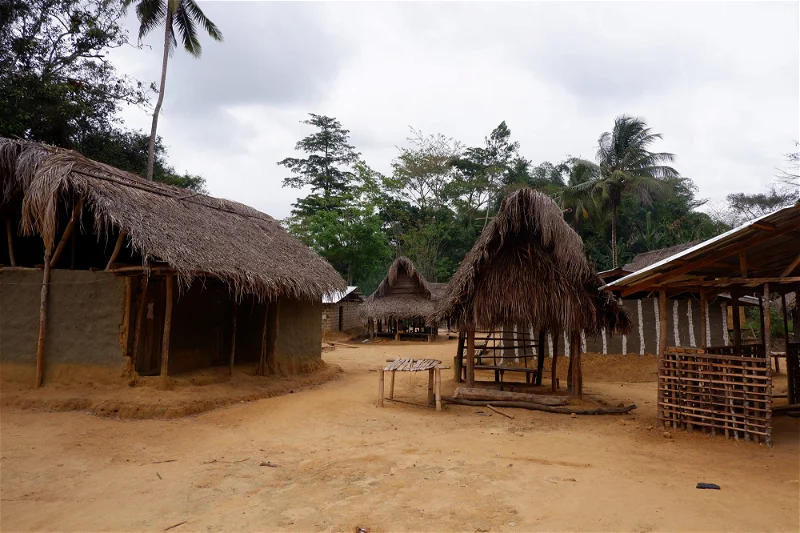
Kolleh recalls his youth, when every Thursday evening was alive with the sound of drums, the firelight glow of storytelling, and community dances that stitched generations together. Elders shared tales of bravery, love, and wisdom beneath the shade of the ceiba tree, while young people listened with rapt attention.
“Those nights were sacred,” he said. “They were filled with laughter and lessons.”
But today, those rhythms are being drowned out. The communal gatherings have given way to the hum of generators, the bustle of town life, and the lure of smartphones. “The children no longer sit by the fire for stories,” Kolleh observes. “Instead, they are glued to screens, watching cartoons or foreign movies.”
Losing Identity
For Kolleh, this shift is not merely about tradition; it is about identity. “Our culture is our essence,” he stresses. “Without our language, rituals, and beliefs, we lose a part of ourselves.”
The decline, he says, is evident in everything from the fading popularity of traditional dress to the waning observance of sacred ceremonies. Initiation rites, community blessings, and other rituals that once marked life’s milestones are disappearing. “It feels as if we are losing the very rites that bond us together,” he warns.
A Call to Action
Still, the elder’s words carry not just sorrow but urgency and hope. He believes cultural revival is possible if deliberate efforts are made. His vision includes introducing the Kpelleh language, songs, dances, and arts into school curricula, as well as creating workshops where elders share knowledge with the youth.
“Language carries our stories, morals, and history,” he insists. “If we do not teach it, how can we pass it on? Community participation is essential; we must make it fun and engaging to spark pride in being Kpelleh.”
Preserving the Heritage
As the sun rose higher over Bong County, Kolleh issued a call to his fellow elders, parents, and leaders to stand together in defense of their heritage. “We must not allow our traditions to vanish silently. The Kpelleh people need to stand up for their right to culture, to stories, and to identity,” he declared.
In an age of rapid globalization, his words resonate as both a warning and a rallying cry. The Kpelleh culture, he reminds his people, is not a relic of the past but a living, breathing legacy that must be protected.
And with quiet resolve, Elder Kolleh holds on to hope that one day, the Kpelleh culture will rise again, its colors as bold and enduring as the Liberian sun.
About the Author