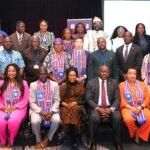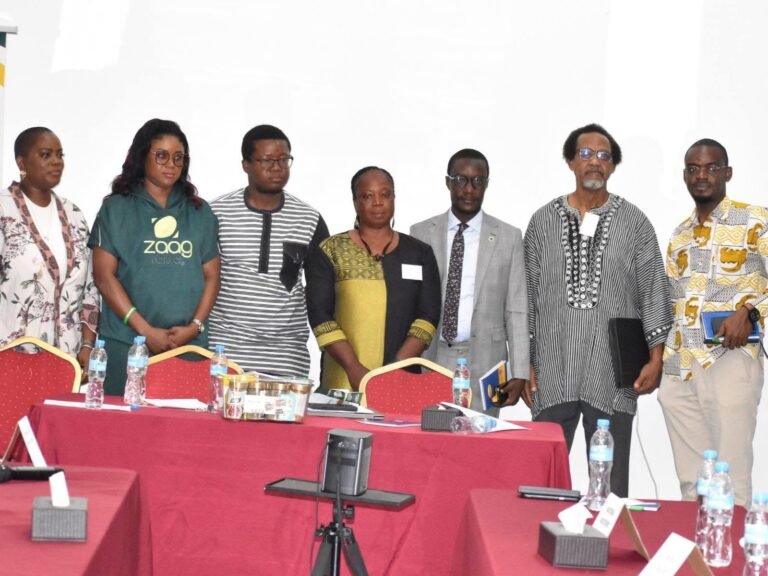

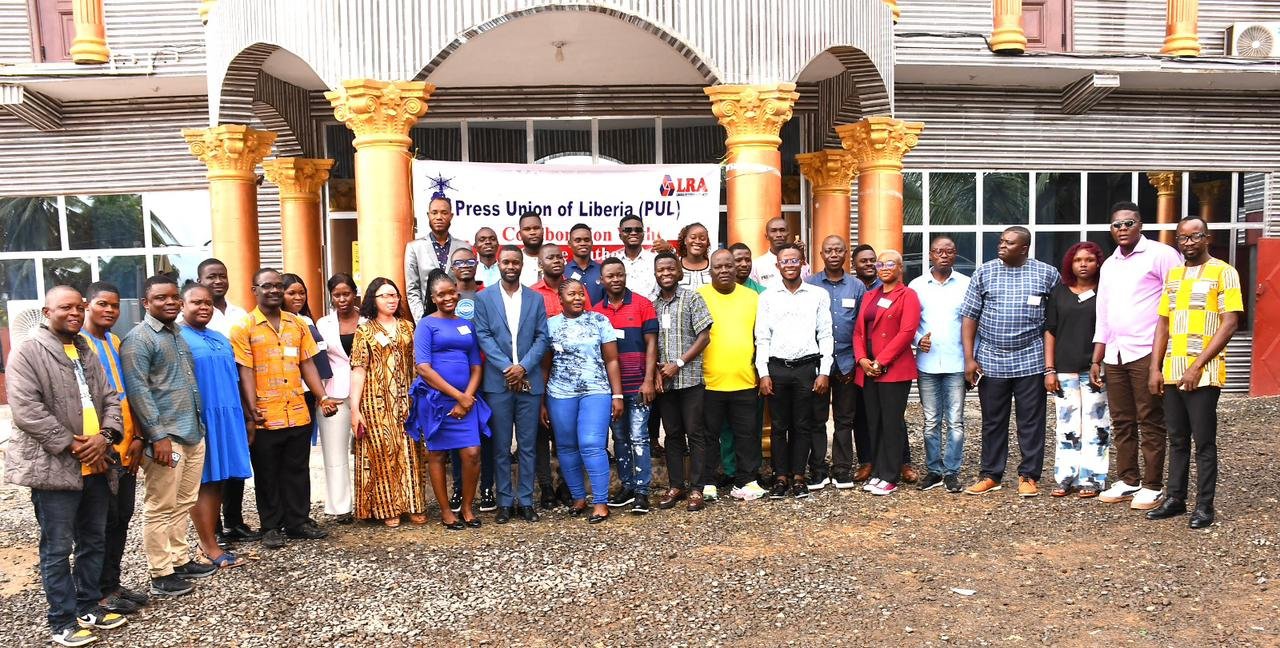
Kakata, Liberia – The Liberia Revenue Authority (LRA) has strengthened its partnership with the media by hosting a two-day intensive training on taxation and revenue reporting for journalists. The program, held from August 11–12, 2025, in Kakata City, Margibi County, brought together reporters from Montserrado and Margibi Counties to sharpen their understanding of tax systems, enhance transparency, and promote voluntary compliance among the public.
According to D. Kaihenneh Sengbeh, Manager of Communication, Media & Public Affairs at the LRA, the initiative forms part of the authority’s 2025 Media Engagement Strategy, which places a strong emphasis on building a tax-conscious nation.
“We want to empower journalists to become tax ambassadors—champions of transparency, accuracy, and compliance in their communities,” Sengbeh said. “This training is a critical step toward achieving that goal, and the LRA is committed to long-term collaboration with the media.”
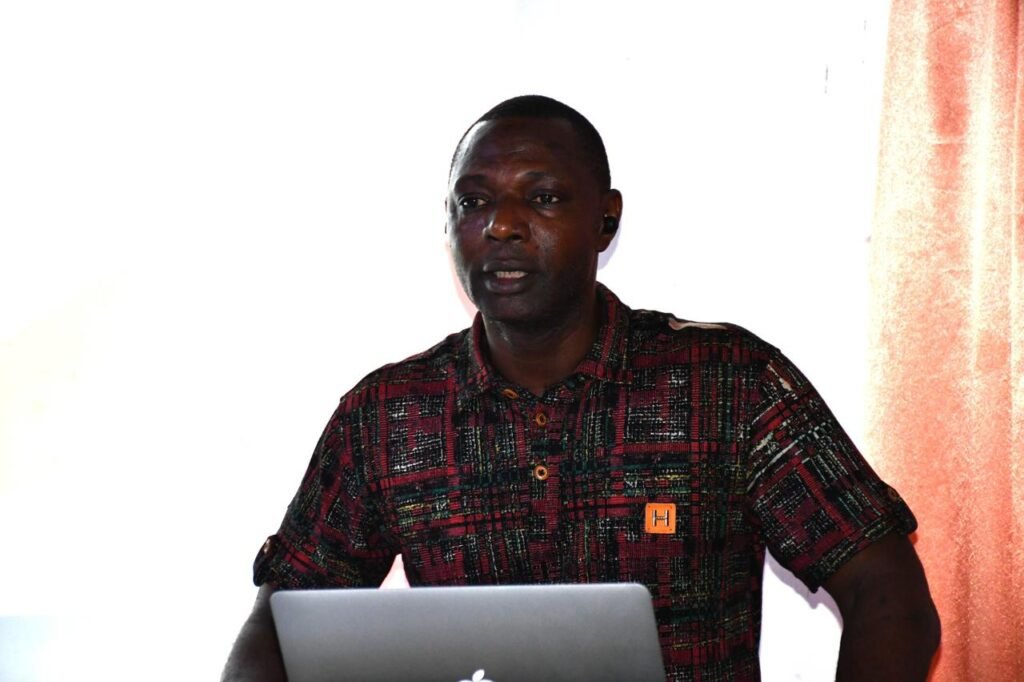
Closing Knowledge Gaps
Before the sessions began, a pre-training survey revealed substantial gaps in journalists’ knowledge of core tax concepts, LRA processes, and recent innovations. Many participants admitted to having outdated information on the authority’s operations. The curriculum was therefore designed to address these gaps, offering modules on:
- Introduction to the LRA and its mandate
- The Domestic Tax Department and its functions
- Customs operations and revenue collection processes
- The role of the media in promoting tax compliance
- Practical skills for accurate, engaging, and ethical tax reporting
Facilitators from the LRA’s Customs Department, Domestic Tax Department, and CMPA engaged participants in interactive sessions, case studies, and practical exercises.
Empowering the Media
The program was co-hosted by the Press Union of Liberia (PUL), whose President, Julius Kanubah, welcomed participants with enthusiasm.
“The PUL is committed to building the capacity of Liberian journalists,” Kanubah said. “This collaboration with the LRA addresses the long-standing lack of in-depth reporting on tax matters in Liberia, which is crucial for public awareness and national development.”
The PUL President added that the training would also cover media ethics, reinforcing the role of responsible journalism in building trust between taxpayers and the LRA.

Investment in Capacity Building
The LRA sponsored the training at a cost of USD $6,891. Kanubah expressed appreciation for the investment, noting that even small-scale capacity-building efforts can yield high-impact results.
“The skills gained here will enable us to produce reliable, fact-based stories on revenue and taxation,” he said. “Journalists will become both advocates and conduits for accurate information between the public and the LRA.”
Looking Ahead
The LRA pledged to sustain this momentum by providing certification, distributing learning materials, and organizing follow-up workshops. The PUL, meanwhile, encouraged all journalists to register with the Union to benefit from future opportunities, as it prepares to relocate to a new headquarters.
By equipping journalists with practical tax-reporting skills, the LRA and PUL hope to foster a culture of compliance and contribute to Liberia’s broader development agenda.
Key Highlights
- Journalists trained: Representatives from Montserrado & Margibi Counties
- Topics covered: LRA operations, Domestic & Customs taxes, role of media in tax compliance, media ethics
- Outcome: Enhanced understanding of tax systems, reporting skills, and ethical practices
- Next steps: Certification, resource distribution, and future trainings
About The Author