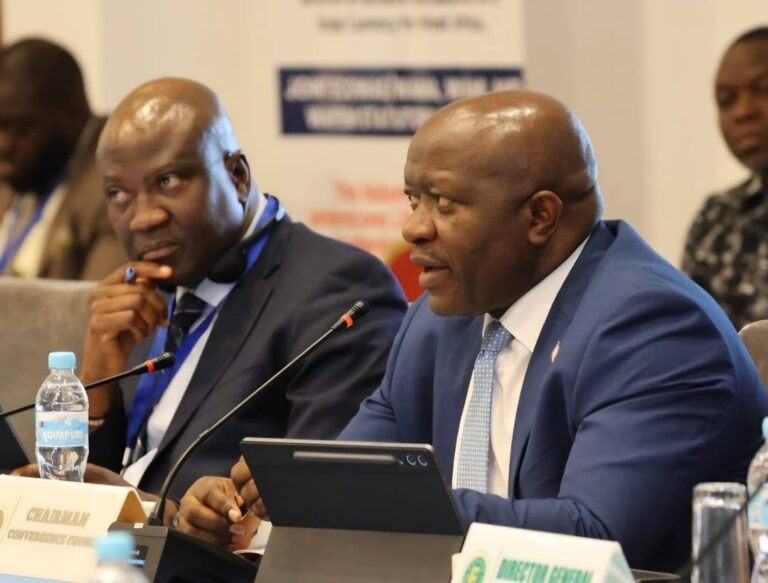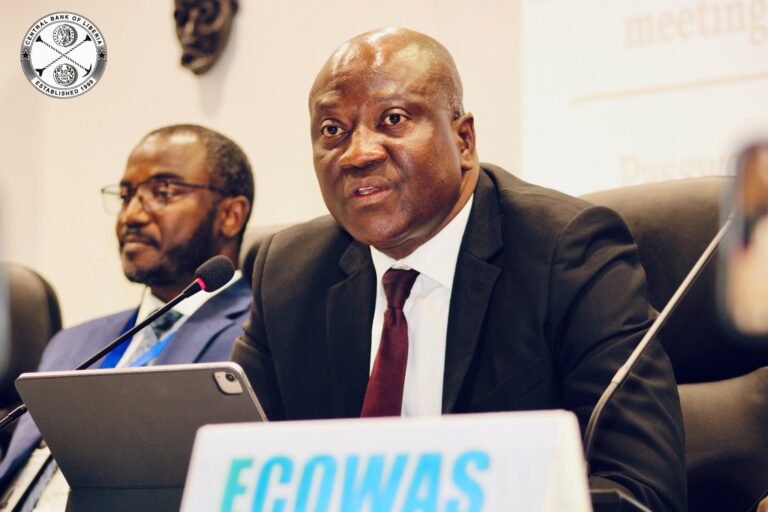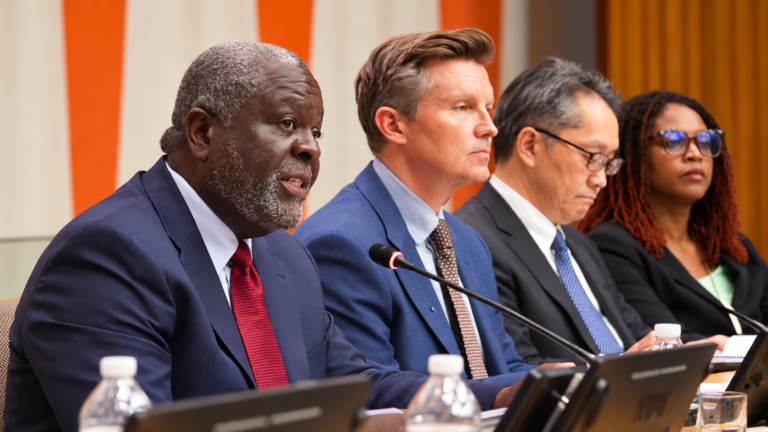

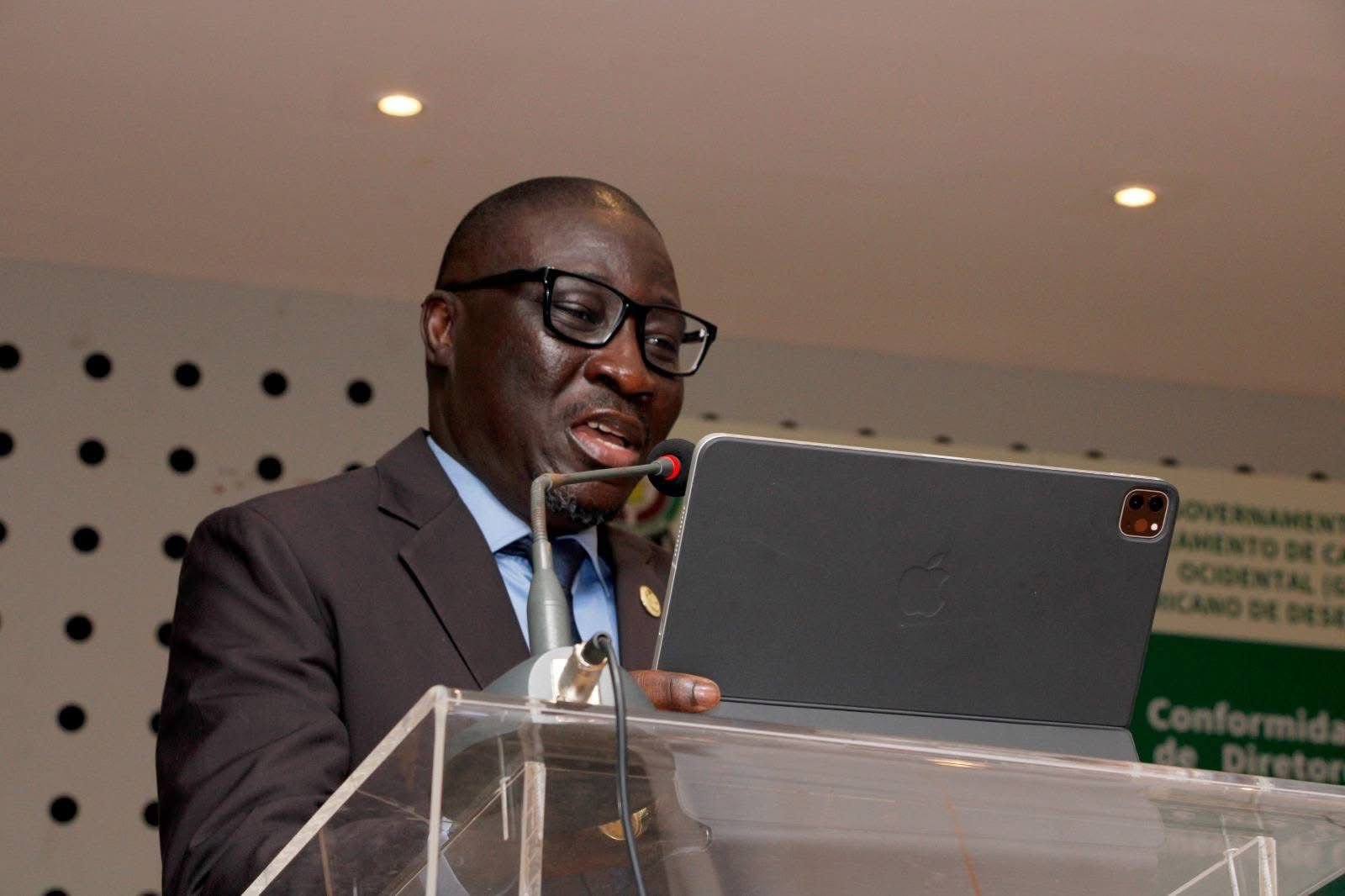
Monrovia, Liberia: In a major step toward reinforcing Liberia’s financial safeguards, the Inter-Governmental Action Group against Money Laundering in West Africa (GIABA) is dispatching a high-level delegation to the country for a three-day official visit beginning August 11, 2025.
The mission, led by GIABA Director General Edwin W. Harris Jr., aims to strengthen Liberia’s ongoing efforts to combat money laundering, terrorist financing, and the proliferation of illicit financial flows. The visit follows Liberia’s recent strides in reforming its Anti-Money Laundering/Countering the Financing of Terrorism (AML/CFT) framework after being flagged for strategic deficiencies in a May 2023 mutual evaluation report.
Since then, the Liberian government has taken key steps, including passing the 2023 Controlled Drugs and Substances Act, launching a comprehensive AML/CFT National Action Plan (2024–2028), establishing the Office of Asset Recovery, and joining the Egmont Group, a global network of financial intelligence units.
This week’s visit also serves as a preparatory mission ahead of the GIABA 44th Plenary and Technical Commission Meeting, which Liberia is set to host in Monrovia from November 17–21, 2025. The high-profile event will draw anti-money laundering experts and financial regulators from across the region and beyond, with President Joseph Boakai expected to deliver the opening address.
The plenary is widely seen as an opportunity for Liberia to cement its role as a regional leader in financial integrity while reaping diplomatic and economic benefits from hosting the summit.
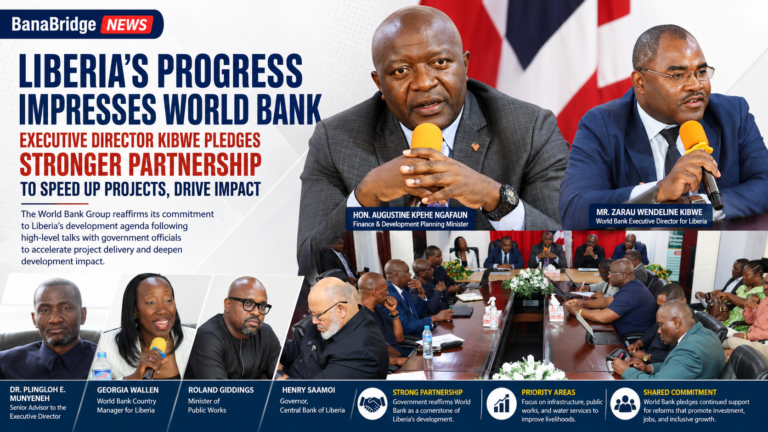
While in Monrovia, Harris is expected to hold meetings with President Boakai, key cabinet ministers, the Central Bank Governor, officials from the Financial Intelligence Agency, and other key stakeholders. The discussions will focus on critical reforms ahead of Liberia’s third-round Mutual Evaluation Report, due in 2031.
Priority areas include modernizing laws to meet Financial Action Task Force (FATF) standards, broadening the list of predicate offences, addressing terrorism financing vulnerabilities, improving oversight of both financial and non-financial sectors, and strengthening data management systems.
GIABA’s visit underscores growing international confidence in Liberia’s reform agenda and its commitment to transparency, accountability, and regional cooperation.
If sustained, these efforts could elevate Liberia’s standing among international partners, attract investment, and fortify its defenses against complex financial crimes that often undermine governance and economic development.
About The Author