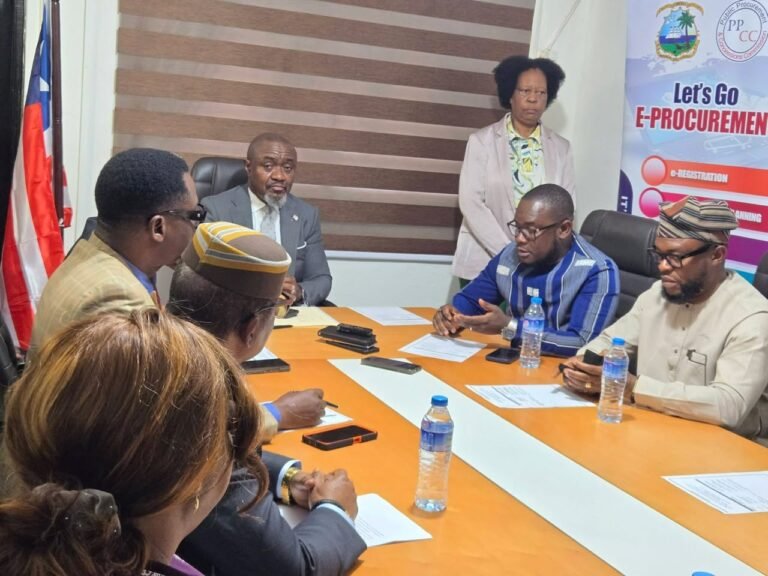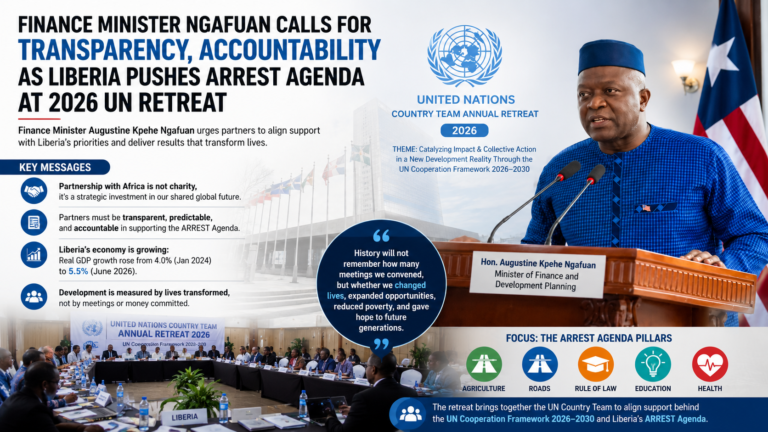

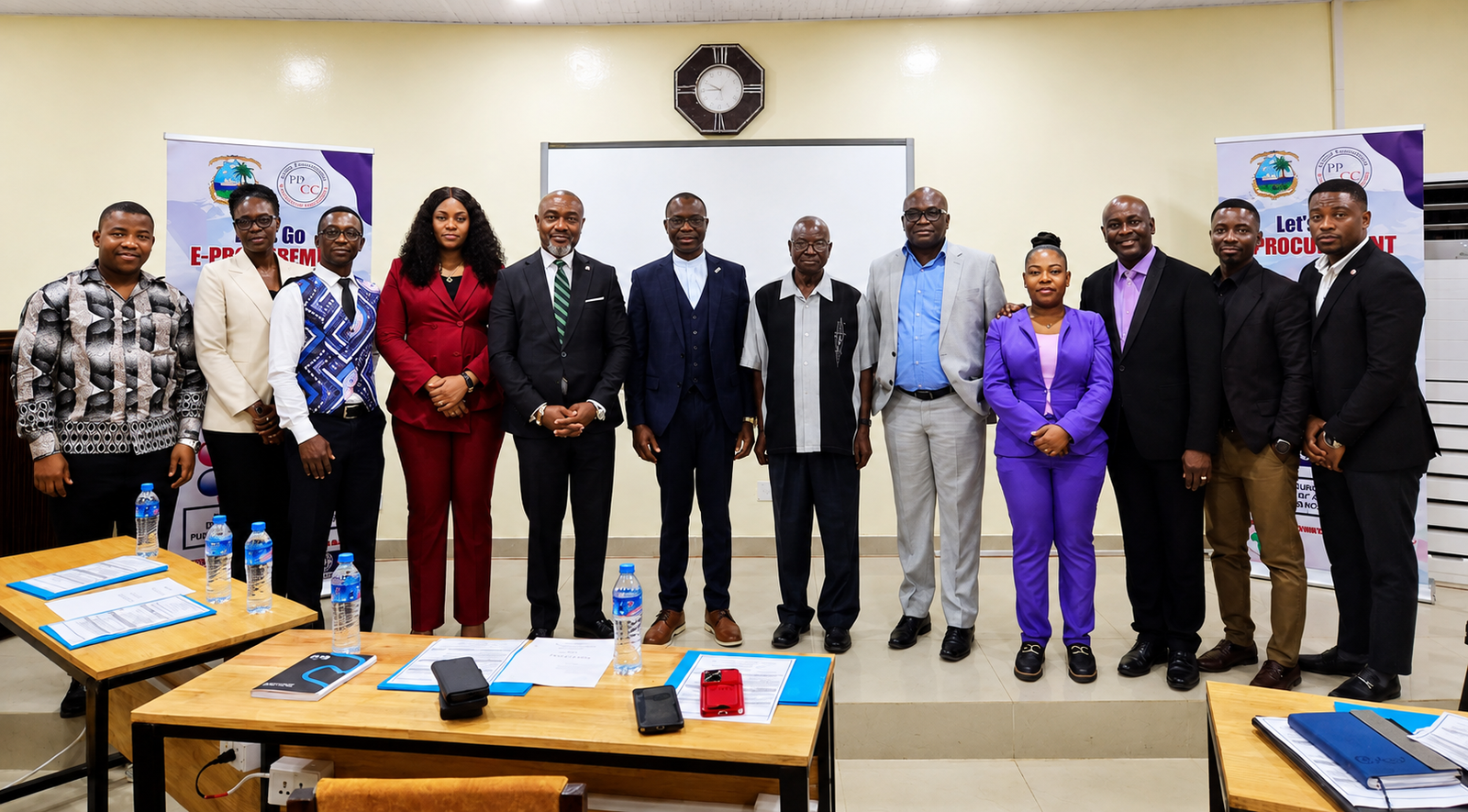
Liberia’s Public Procurement and Concessions Commission (PPCC) has welcomed a high-level delegation from Sierra Leone’s National Public Procurement Authority (NPPA) for a two-day study tour aimed at sharing Liberia’s experience in implementing electronic government procurement.
The visit, taking place August 6-7 at the PPCC headquarters in Monrovia, is being held under the theme, “Learning from Liberia’s Electronic Government Procurement (e-GP) System Implementation.”
The engagement brings procurement officials and experts from both countries together to exchange experiences on digital procurement, public financial management, institutional reform and the challenges of moving government procurement from manual processes to an electronic system.
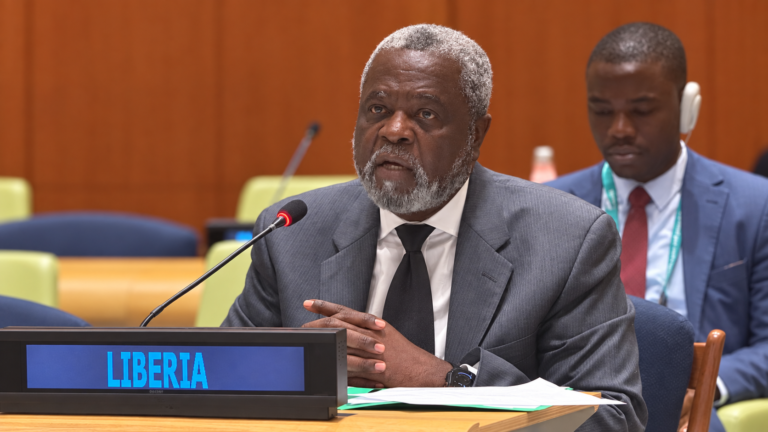
Welcoming the delegation Thursday, PPCC Executive Director Bodger Scott Johnson described the visit as another demonstration of the longstanding relationship between Liberia and Sierra Leone and their shared interest in strengthening public institutions.
“Your visit to Liberia highlights the enduring bond between our sister republics and shows our shared commitment to strengthening public institutions, advancing good governance, and promoting excellence in public procurement across West Africa,” Johnson said.
He said Liberia was pleased to share its experience with the Sierra Leonean delegation, including the progress made, challenges encountered and lessons learned during the rollout of the e-GP system.
Johnson said procurement reform remains central to effective public financial management because of its impact on government spending, private sector participation, economic growth and national development.
He pointed to Liberia’s Electronic Government Procurement System as one of the country’s major public-sector digital reforms, noting that its implementation has received support from the African Development Bank and the World Bank.
According to Johnson, Liberia adopted a phased approach to implementing the system, beginning with a pilot involving six government institutions before expanding to 50 additional ministries, agencies, commissions and other public bodies.
The PPCC, he said, has also invested heavily in training procurement practitioners, government employees, information technology personnel and private-sector suppliers to improve their ability to use the electronic platform.
But Johnson acknowledged that replacing a longstanding manual procurement system with a digital platform has not been without difficulties.
He said the transition required extensive change management, including public awareness campaigns, consultations with stakeholders, media engagement, technical training and continued institutional support.
President Joseph Boakai Sr. officially launched Liberia’s National Electronic Government Procurement System in February 2025 as part of the government’s effort to improve transparency, accountability and efficiency in public procurement.
Johnson encouraged the visiting delegation to use the study tour for frank discussions about both the achievements and difficulties Liberia has experienced.
“We’re happy to share both our successes and the challenges we’ve faced, along with the practical lessons that continue to guide our work,” he said. “We also look forward to learning from your experience as we work together to strengthen procurement systems in the region.”
Sierra Leone Looks to Liberia’s Experience
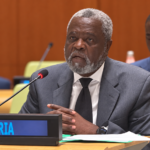
NPPA Chief Executive Officer and head of the Sierra Leonean delegation, Fodie Konneh, said the visit is intended to strengthen cooperation between the procurement authorities of the two neighboring countries, particularly in public procurement and public financial management.
“Our goal here is to enhance collaboration between our institutions and elevate our partnership,” Konneh said. “Public financial management is the lifeblood of any country, and procurement sits at its core. Effective collaboration in this area strengthens the foundation of public sector management.”
Konneh said Liberia and Sierra Leone share more than geographical borders and should use their common history and experiences to pursue development together.
“We share a long history, both good and bad, and as good neighbors, we must ensure no one is left behind,” he said. “When we grow together, we all gain. If not, we risk issues like irregular migration and instability.”
He said Sierra Leone is particularly interested in understanding how Liberia designed and implemented its e-procurement system, including the obstacles encountered and the measures taken to address them.
“You are ahead on e-procurement. We want to understand your process, the progress you’ve made, and the challenges you’ve overcome so we can benchmark and adopt strategies to strengthen our system,” Konneh said.
He also called for greater cooperation among African countries in developing solutions suited to the continent’s governance and development challenges.
Konneh cited the African Public Procurement Network as an important platform through which countries can exchange experiences and develop approaches to improving procurement and public financial management.
Delegation to Visit Key Institutions
During the two-day engagement, the Sierra Leonean delegation is expected to receive presentations on Liberia’s procurement modernization program and participate in live demonstrations of the e-GP platform, including its supplier registration processes.
The delegation is also expected to visit the Joint Legislative Committee on Public Accounts and Audit, the Liberia Revenue Authority and the National Social Security and Welfare Corporation, as well as hold courtesy meetings with senior government officials.
The study tour provides both countries an opportunity to compare their procurement systems, examine practical approaches to digital transformation and identify areas for continued institutional cooperation.
For Liberia, the visit also provides an opportunity to showcase the progress made since the introduction of electronic procurement while sharing lessons that could help Sierra Leone as it advances its own reforms.
Officials from both countries say the broader objective is to strengthen public procurement systems that are more transparent, efficient and accountable while encouraging greater regional cooperation in public financial management.
About The Author