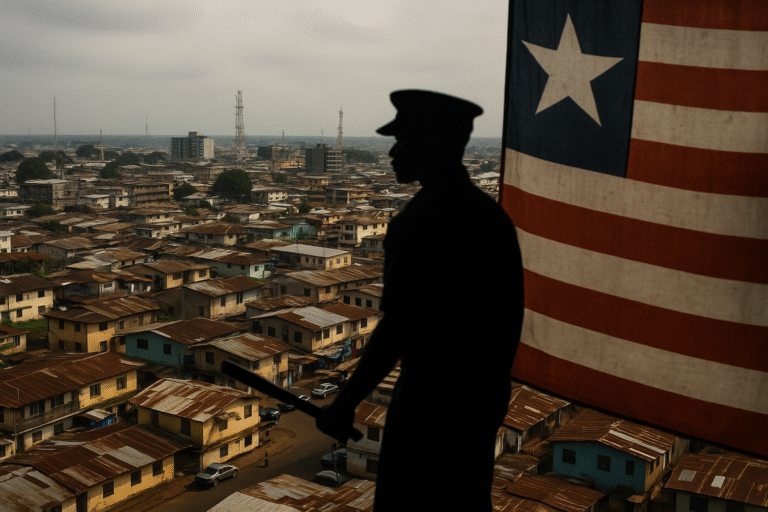

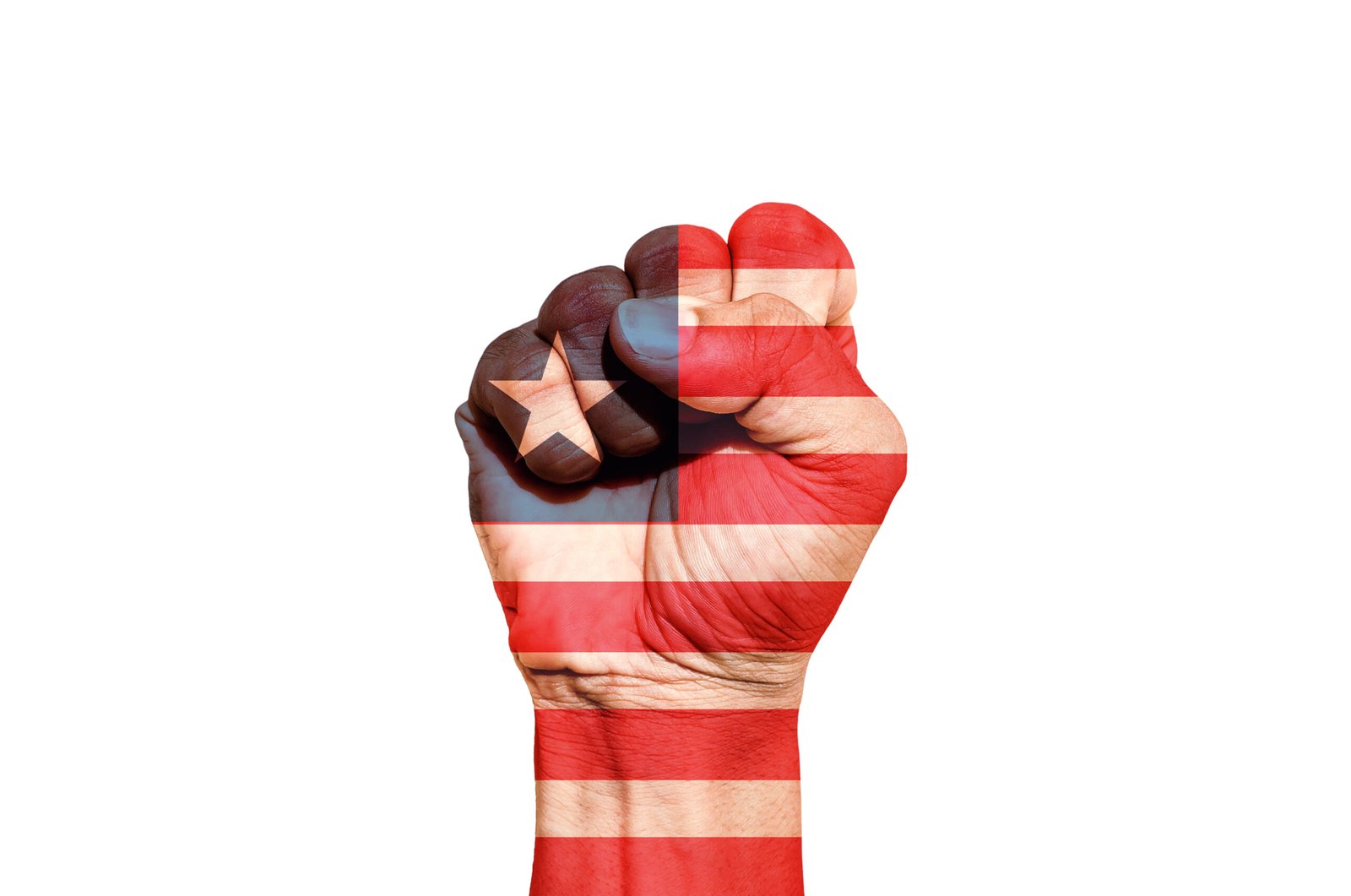
Man hand fist of Liberia flag painted, fist flag, Strength, Power, Protest concept. By minionionniloy
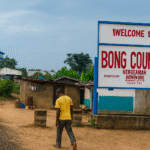
GRARNGA, BONG COUNY, LIBERIA : As the world paused yesterday to mark World Indigenous Day, Liberia’s own indigenous heritage stands at a critical crossroads. Among its diverse ethnic tapestry, the Kpelleh (also known as the Kpelle) remain one of the country’s largest and most influential ethnic groups. But like many indigenous peoples worldwide, their traditions face a delicate battle for survival in the 21st century.
A Nation Within a Nation
The Kpelleh population, estimated at 1.5–2 million people, makes up nearly 20–25% of Liberia’s total population, according to census projections. They dominate central and western Liberia, with Bong County as their cultural and political heartland, and significant settlements in Margibi, Gbapolu, Lofa, and parts of Nimba County.
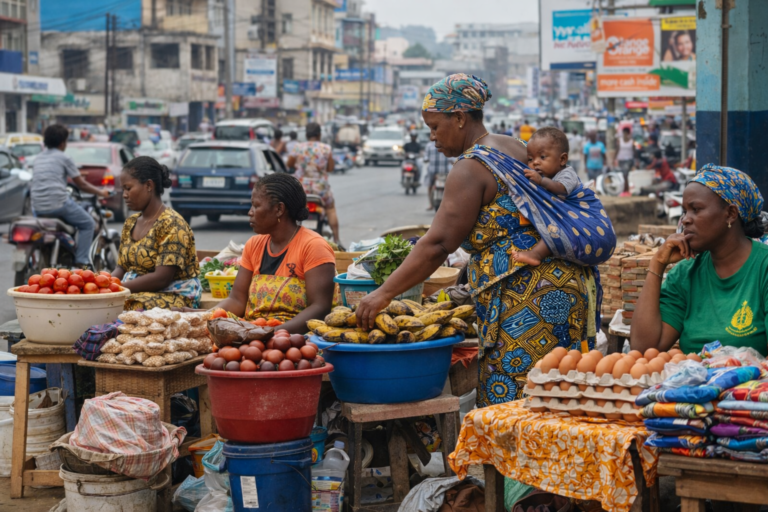
Geographically, this territory straddles Liberia’s agricultural belt; a fact that has shaped the Kpelleh identity for centuries. Their fertile lands have made them renowned rice farmers, cassava growers, and skilled vegetable cultivators. Hunting and fishing remain supplementary livelihoods, especially in rural villages.
Matrilineal Heritage and the Kinship Bond
Unlike many patriarchal societies in West Africa, the Kpelleh maintain a matrilineal system; a heritage where lineage, inheritance, and land rights pass through the mother’s line. This structure historically reinforced strong kinship ties and communal living, fostering a deep sense of social responsibility.
“In Kpelleh tradition, the family is the community, and the community is the family,” explains cultural historian Dr. Joseph T. Kollie. “It’s a social safety net that has survived war, famine, and migration; but now faces pressure from modern individualism.”
A Cultural Arsenal Under Pressure
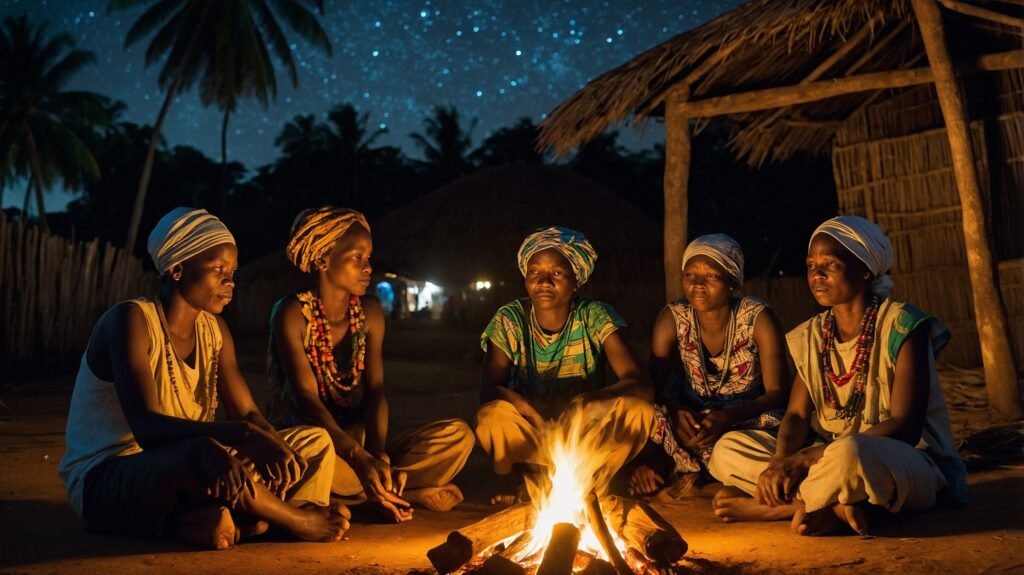
The Kpelleh’s cultural identity has been anchored in music, dance, festivals, and oral traditions; vibrant expressions that blend artistry with history. Traditional ceremonies marking puberty, marriage, and death once unified entire communities. But these practices are waning.
Field interviews and cultural surveys by Liberia’s Ministry of Culture indicate that nearly 60% of young Kpelleh adults have never participated in a formal initiation ceremony. Similarly, oral storytelling, once the lifeblood of Kpelleh history, is being replaced by digital media consumption.
“When I was a child, my grandmother would tell folktales under the moonlight,” recalls 67-year-old Bong County elder Martha Sumo. “Now, the children are on their phones. The stories are dying with us.”
The Disappearing Threads
Across Liberia, indigenous practices are eroding under the forces of globalization, urbanization, and Western cultural influence:
- Rites of Passage: Initiation ceremonies for boys and girls are rare in urban centers, replaced by secular celebrations or skipped entirely.
- Traditional Dress: Western clothing dominates daily wear, with traditional attire reserved for ceremonial events.
- Herbal Medicine: Traditional healing knowledge is fading, overshadowed by formal healthcare systems.
- Music & Dance: Afrobeat and hip-hop have replaced many traditional rhythms in youth culture.
- Language Shift: Though Kpelle is still spoken in rural areas, UNESCO estimates one in four Kpelleh children in cities no longer speak the language fluently.
Why Preservation Matters
Cultural erosion is not merely sentimental loss; it is a socio-economic issue. Language loss reduces the ability to transmit indigenous agricultural techniques, ecological knowledge, and community governance systems.
Globally, UNESCO warns that every two weeks, an indigenous language dies, taking with it centuries of accumulated wisdom. In West Africa, language decline often correlates with loss of land rights and economic marginalization.
The Fight to Keep the Kpelleh Flame Alive
Liberia has joined the global movement to safeguard indigenous cultures. Local NGOs, such as the Liberia Endangered Language Project, registered as the Liberian Language Institute (LLI) are committed to revitalizing, preserving, and promoting Liberia’s sixteen Indigenous languages including Kpelleh.
The government’s recent National Cultural Policy Draft (2024) proposes integrating indigenous language instruction into primary schools in counties with high ethnic concentrations; a move experts say could slow the linguistic decline.
“Preserving the Kpelleh heritage is not just about nostalgia; it’s about identity, resilience, and national pride,” says anthropologist Mary Konah. “If we lose it, we lose part of Liberia’s soul.”
World Indigenous Day as a Call to Action
As Liberia reflects on its indigenous roots, the Kpelleh story serves as a microcosm of a larger truth: heritage must be actively preserved or it will vanish.
The Kpelleh at a Glance
- Population: 1.5–2 million (approx. 20–25% of Liberia’s population)
- Primary Counties: Bong, Margibi, Gbapolu, Lofa, Nimba
- Social System: Matrilineal, communal living
- Language: Kpelle (Mande language family)
- Key Crops: Rice, cassava, vegetables
- Threats: Language loss, cultural erosion, globalization
On World Indigenous Day, the message is clear; to safeguard Liberia’s future, we must also guard the traditions of its past.
From matrilineal bonds to moonlit folktales, the Kpelleh carry centuries of wisdom in their language, customs, and worldview. But without deliberate intergenerational transfer, much of that richness may only live on in archives and memory.
About the Author