
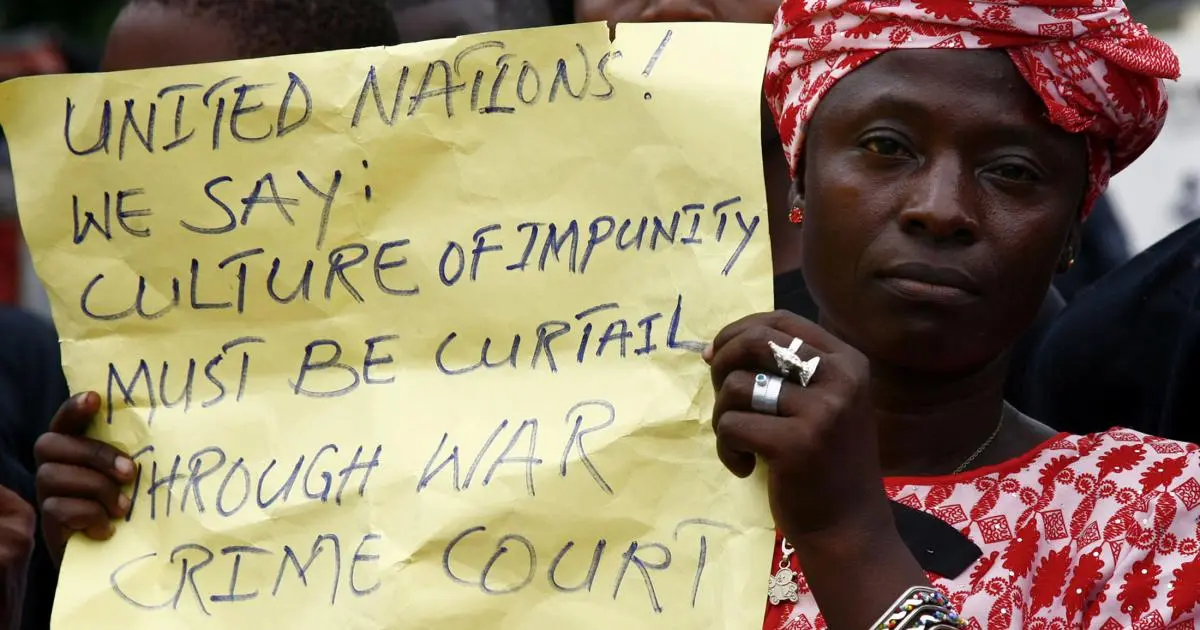
A prominent Liberian advocacy organization has launched a public campaign demanding the immediate dismissal of the country’s war crimes office director, citing concerns that anti-corruption initiatives are being prioritized over accountability for civil war atrocities.
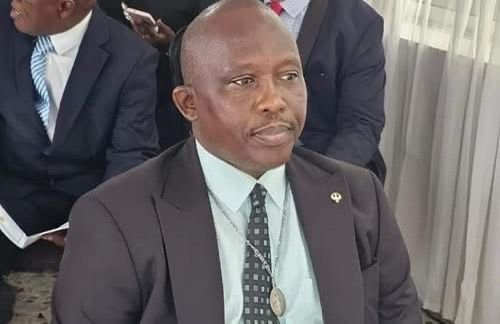
Operation We Care for Liberia (OWCL) issued a sharp rebuke against Counsellor Jallah Barbu, who heads the Office of the War and Economic Crimes Court in Liberia (OWECC-L), following controversial statements he made during a recent transitional justice workshop in the capital.
The dispute centers on Barbu’s public remarks suggesting that establishing a national anti-corruption court represents “low-hanging fruit” compared to prosecuting war crimes cases. His comments have sparked outrage among victims’ rights advocates who view this approach as abandoning Liberia’s commitment to transitional justice.
During the workshop, Barbu articulated his office’s strategic direction by stating: “We are looking at it from the perspective of which is more feasible. In other words, which is the low-hanging fruit. And the low-hanging fruit in this case is the national anti-corruption court.”
OWCL President Bernard G. Goah characterized these remarks as evidence of “a troubling shift in priorities away from justice for victims of Liberia’s brutal civil conflicts.” The organization argues that while corruption remains a significant challenge, it should not supersede efforts to address war crimes accountability.
The Office of War and Economic Crimes Court was established through Executive Order 131/2024, signed on May 2, 2024, as part of Liberia’s broader transitional justice framework. However, the current controversy highlights tensions between different approaches to judicial reform in the post-conflict nation.
The criticism comes at a time when international partners have been increasing pressure on Liberian authorities to accelerate war crimes court establishment. Recent diplomatic efforts by Swedish and European Union ambassadors have emphasized the need for sustained support for the court’s full implementation.
Survivors and victims of wartime massacres have been particularly vocal in their demands for justice, with many viewing the war crimes court as essential for national healing and reconciliation. The legacy of former President Charles Taylor’s war crimes conviction in 2012 for his role in Sierra Leone’s civil war continues to influence discussions about accountability in the region.
OWCL has escalated its demands beyond personnel changes, calling on President Joseph Boakai’s administration to dispatch a high-level delegation to the United Nations Security Council. The organization seeks formal UN support for establishing the war crimes court, viewing international backing as crucial for the initiative’s success.
The confrontation reflects deeper challenges facing Liberia’s transitional justice process more than two decades after the end of its devastating civil wars. Advocacy groups argue that prioritizing corruption cases over war crimes prosecution could undermine long-term national reconciliation efforts.
“The international community must stand with the victims of Liberia’s civil wars and ensure that justice is not sacrificed for political convenience,” Goah stated, emphasizing that affected populations “deserve more than rhetoric; they deserve action.”
The organization has vowed to continue its advocacy efforts, maintaining pressure for both leadership changes and substantive progress toward establishing functional war crimes prosecution mechanisms. This latest development adds to ongoing debates about the most effective approaches to addressing Liberia’s complex legacy of conflict and governance challenges.
About the Author