
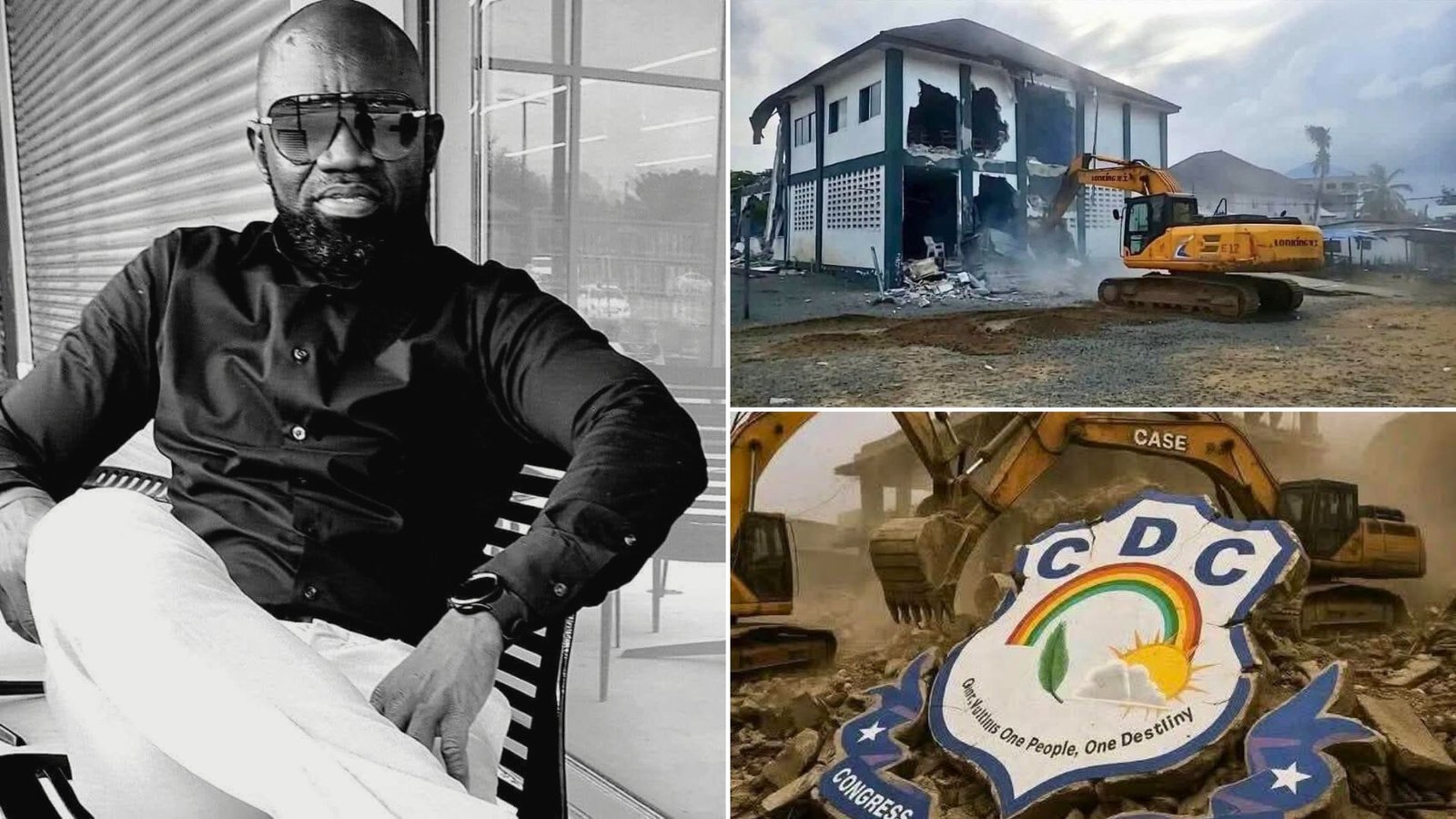
A prominent supporter of President Joseph Boakai’s Unity Party administration has broken ranks with his own government, delivering a scathing critique of the recent demolition of the Congress for Democratic Change headquarters and warning that Liberia’s democratic institutions are under threat.
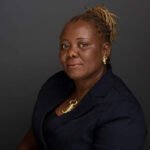
Abraham Doedeh, who remains a steadfast supporter of the Boakai administration, issued a public statement expressing deep concern over what he described as the government’s increasingly authoritarian tendencies following the August 23 demolition of the opposition party’s Congo Town facility.
In his pointed commentary, Doedeh drew stark comparisons between current government actions and the exclusionary practices of Liberia’s former True Whig Party, which dominated the country’s political landscape for over a century. He reminded readers of past struggles when Liberians from all backgrounds united to demand political inclusion and expanded democratic participation.
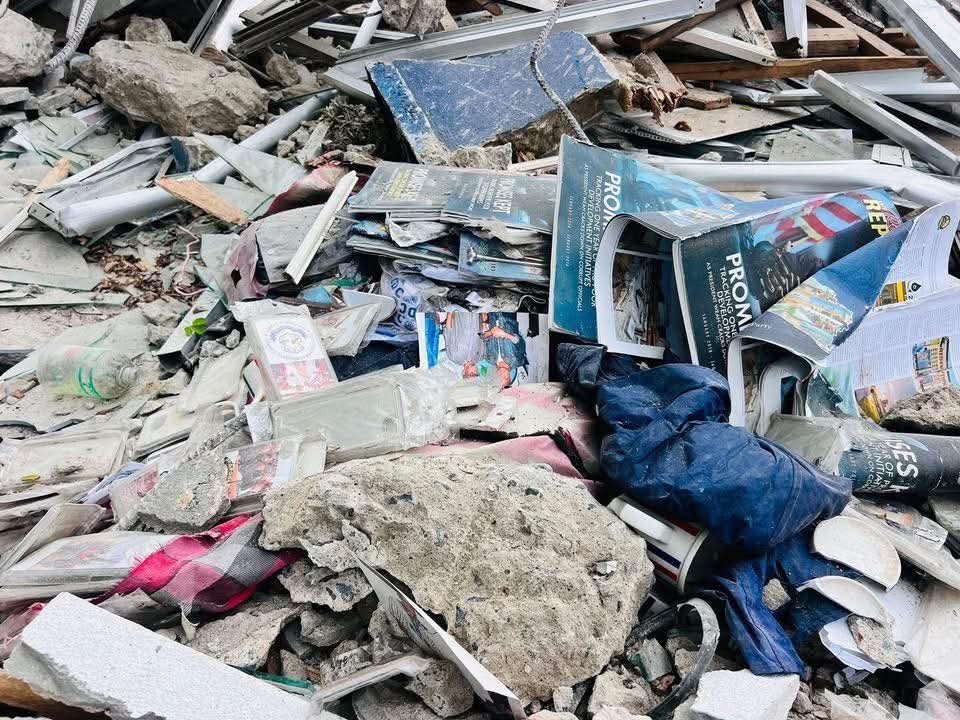
“What we’re witnessing today represents a dangerous regression to the very behaviors we once fought against,” Doedeh stated, expressing particular dismay at what he characterized as celebratory attitudes among some government officials regarding the demolition.
The demolition occurred following a controversial August 13 court ruling that awarded the 4.23-acre CDC property to the estate of Martha Stubblefield Bernard, though former President George Weah has disputed the legality of the action, claiming the party was still pursuing legal remedies.
Doedeh redirected attention to Liberia’s pressing economic challenges, questioning how the destruction of opposition infrastructure addresses the daily struggles of ordinary citizens seeking basic necessities. He specifically criticized what he described as excessive government salaries, citing figures ranging from $5,000 to $10,000 monthly in a nation where many families struggle with poverty.
The Unity Party supporter argued that administrative focus should center on reducing what he termed “unjustified” government compensation packages rather than targeting opposition assets, suggesting such policy reforms would generate broader public celebration than the current controversy.
Perhaps most significantly, Doedeh articulated a vision for Liberian democracy that transcends partisan divisions, advocating for a political environment where opposition party members can live without fear of retribution regardless of which party holds power. His statement emphasized Liberia’s democratic progress and called for sustained commitment to peaceful political coexistence.
Addressing the CDC directly, Doedeh expressed solidarity with the opposition party, particularly criticizing the timing of the demolition while legal proceedings remained ongoing. He counseled the party to channel their frustration into constructive political engagement, emphasizing that Liberian politics should represent “friendly competition” serving the national interest.
The rare public dissent from within Unity Party ranks highlights growing tensions surrounding the demolition, which former President Weah has characterized as an attempt to “destroy and erase the CDC.” The incident has intensified political polarization between the ruling party and Liberia’s largest opposition movement, with Weah announcing plans to construct a new “state-of-the-art” headquarters while urging supporters to remain law-abiding.
Doedeh’s intervention represents a significant development in the ongoing political discourse, offering a perspective that bridges party lines while challenging his own government’s approach to opposition relations. His concluding message emphasized national unity over partisan loyalty, stating “Liberia first” as his guiding principle.
The controversy continues to generate debate about the rule of law, democratic norms, and the future of political competition in post-conflict Liberia.
About the Author