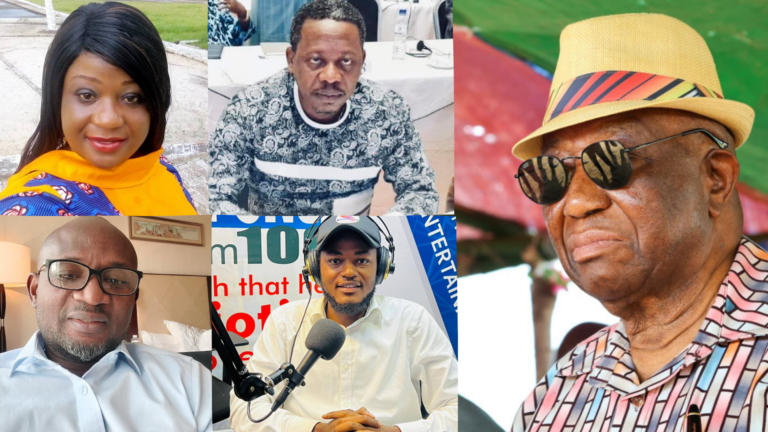

President Joseph Nyuma Boakai has triggered fresh debate among Liberians at home and abroad after declaring that he “do not even listen to criticism.”
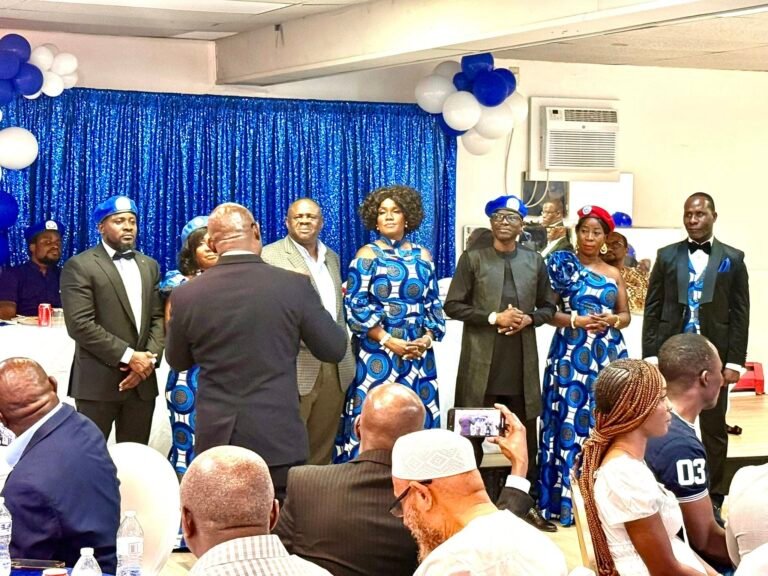
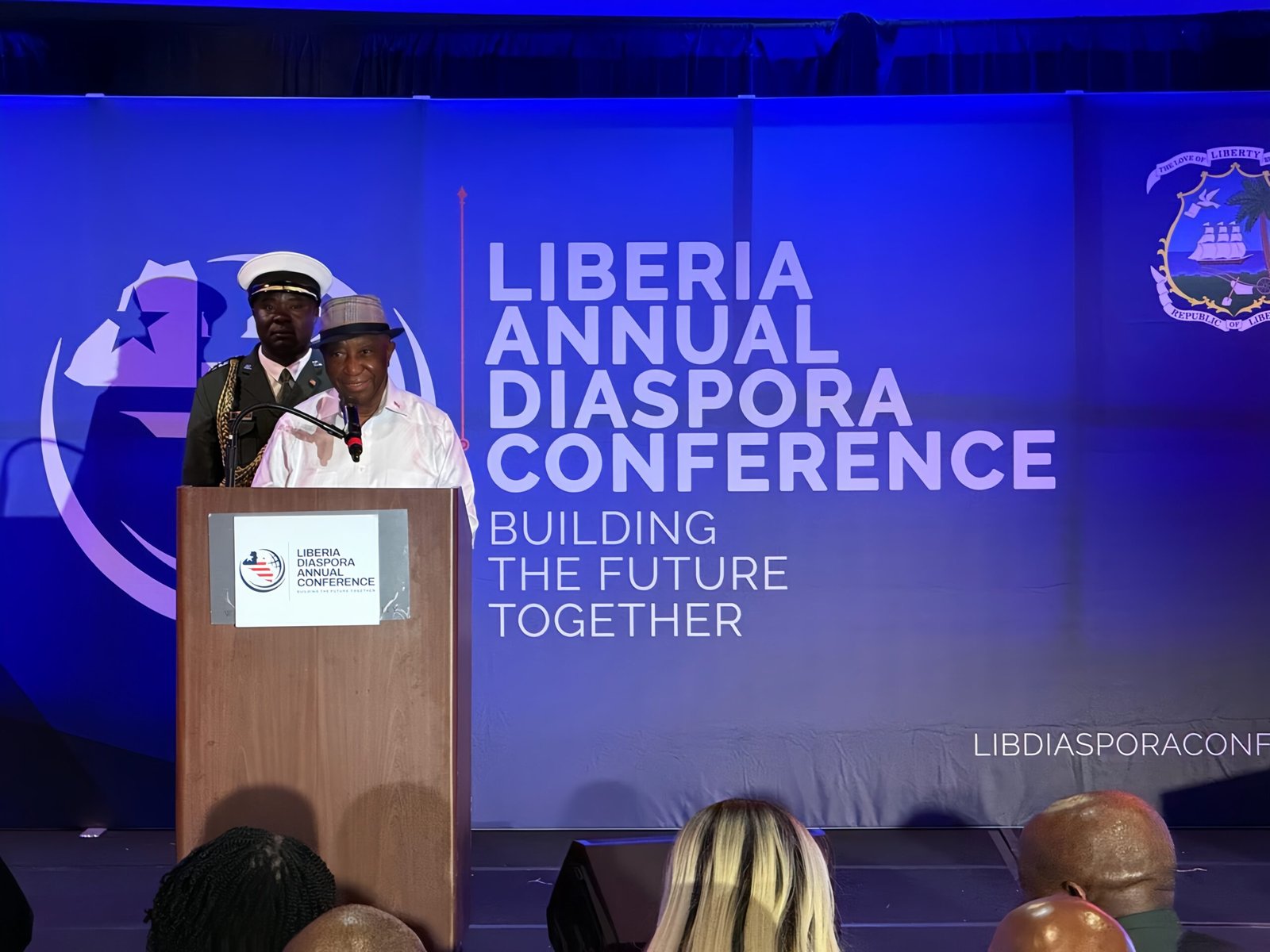
The Liberian leader made the controversial remark in the United States during an engagement with diaspora Liberians. While some say his comments may have been made in context, the words have opened the door to questions about governance, accountability, and his relationship with opposition voices.
A Divisive Statement
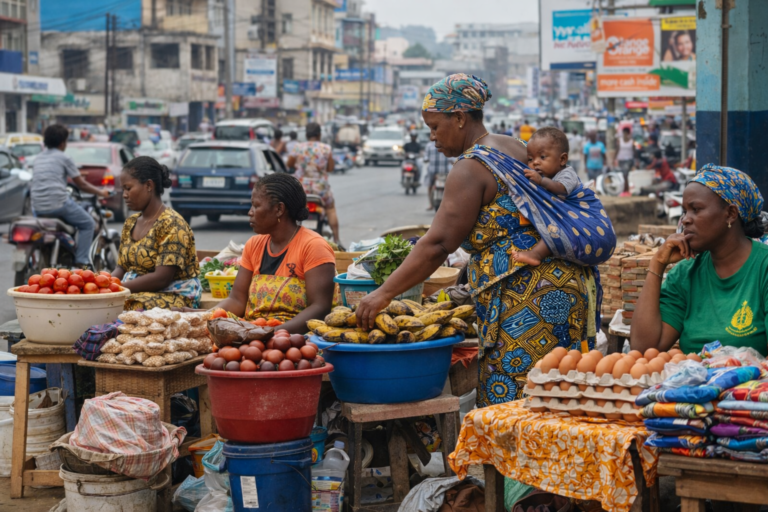
For many Liberians facing daily economic hardship, the remark touches a raw nerve. Bread-and-butter issues such as rising living costs, unreliable electricity, and unemployment have consistently fueled public frustration. Against this backdrop, Boakai’s dismissal of criticism is already being seized upon by opposition voices who argue that public feedback is essential for a functioning democracy.
“I always say, don’t cause the darkness when the lights are on,” President Boakai said, emphasizing improvements in electricity distribution. He went further, stating that petty crime rates were being affected: “Now the zogoes are blaming me because electricity is all over the place and they no longer have the opportunity to snatch away people’s bags and phones.”
From Inherited Problems to New Promises
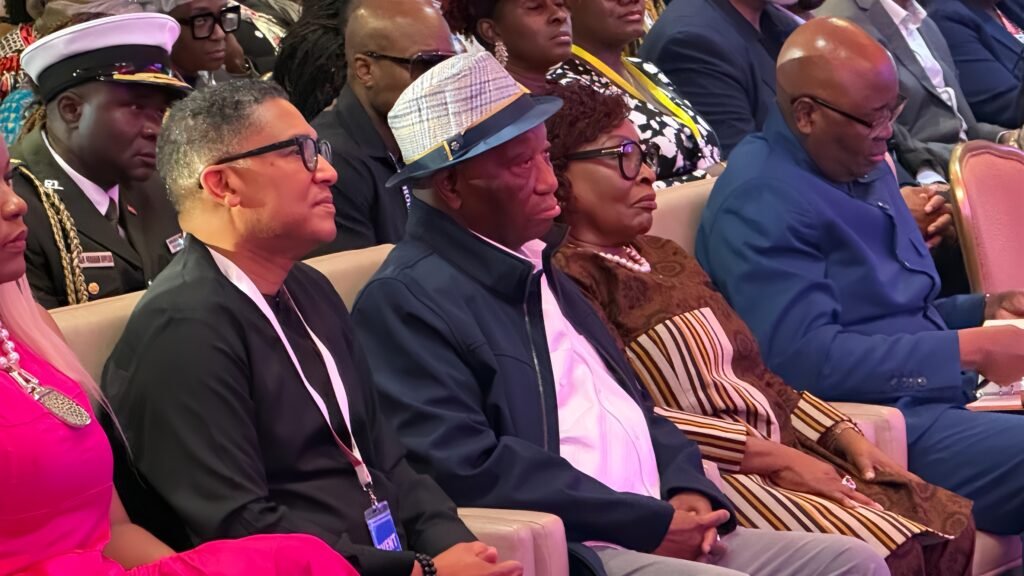
Speaking on day two of the Diaspora Conference, Boakai reminded attendees that his government inherited a struggling system, but insisted that excuses no longer matter. “What is important now is my job to make sure that Liberia of yesterday will be different tomorrow,” he said, stressing that he thinks less about the title of presidency and more about leadership.
He also distanced himself from what he called “NATO”(No Action, Talk Only); saying Liberia’s focus must be on results, not rhetoric.
Rallying Diaspora Support
Boakai highlighted his administration’s US $8.3 billion financial plan designed to drive the ARREST Agenda for Inclusive Development. He urged Liberians abroad not to view the plan as solely government-owned, but as an “open invitation” to join in building a better Liberia.
Questions of Accountability
While the President’s call for action resonated with some, his outright rejection of criticism raises deeper questions. In mature democracies, even unpopular voices are seen as crucial for guiding leaders toward better decisions. Critics argue that by dismissing such input, Boakai risks alienating the very citizens whose confidence he seeks to build.
As the debate continues, one thing is clear: Liberians at home and in the diaspora are listening closely; even if their President says he is not.
About the Author