
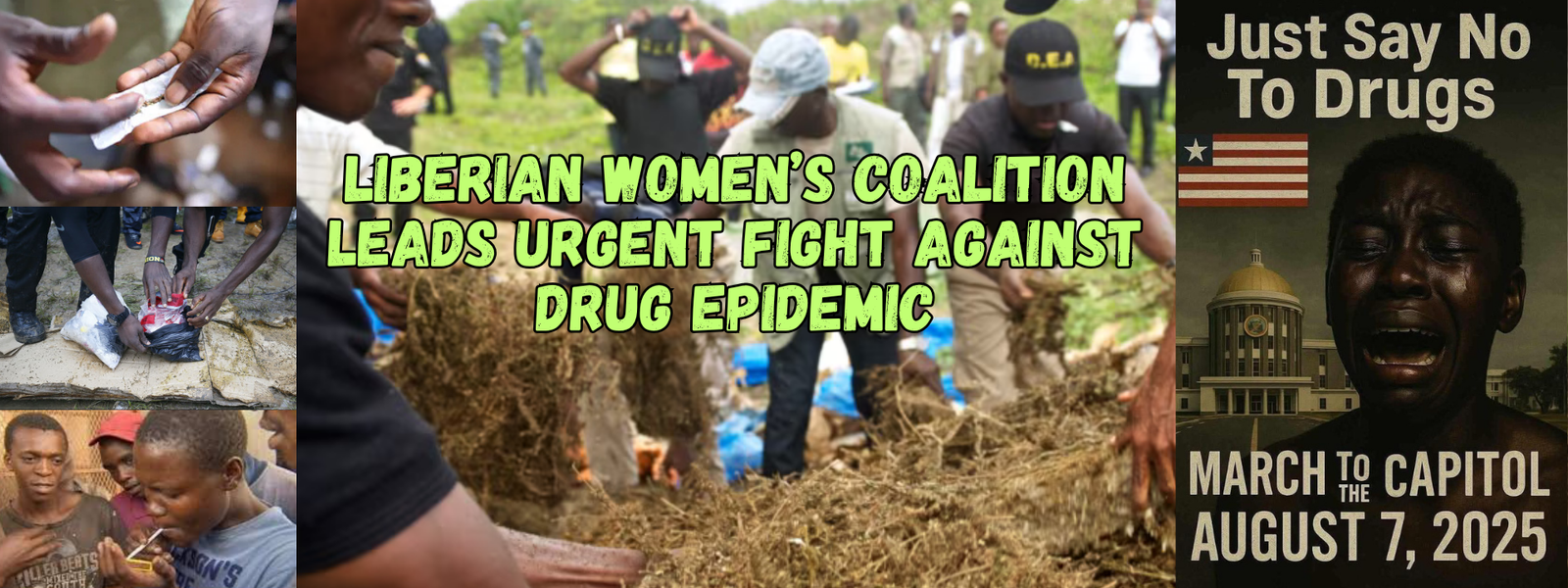
A strong coalition of civil society organizations and women-led organizations has issued a nationwide call to action against Liberia’s worsening drug problem, calling for quick and coordinated action to protect the nation’s stability and save its youth.
The coalition urged local communities, foreign allies, and the government to unite in a united front against the rise in drug abuse and trafficking in a joint statement. Their message is unmistakable: fearless, community-driven solutions focused on justice, prevention, and recovery are essential to Liberia’s future.
Among the most reputable advocacy organizations in Liberia are the National Civil Society Council of Liberia, the African Women Leaders Network (AWLN) – Liberia Chapter, the Association of Female Lawyers of Liberia (AFELL), WONGOSOL, and the Female Journalists Association of Liberia (FeJAL). Together, they underlined that the nation needs systemic change based on empathy, responsibility, and cooperation in all areas, not just legal reforms.
The statement stated that while the Liberian Drug Law offers a legal framework, “real change requires coordinated and purposeful efforts that empower communities and focus on lasting recovery.”
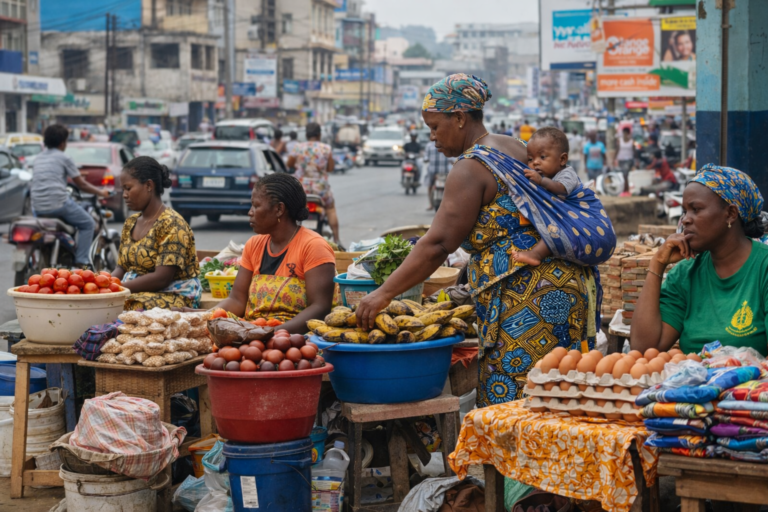
The coalition brought attention to the particular burden that women and girls face in the drug crisis, not only as victims and users but also as caregivers and, in certain situations, coerced participants in the drug trade. They drew attention to how poverty, gender-based violence, and inequality are intertwined issues that increase women’s susceptibility and need to be addressed in any substantive way.
“Liberia’s communities rely heavily on women. Any national solution must be centered on their leadership and voices,” the groups said.
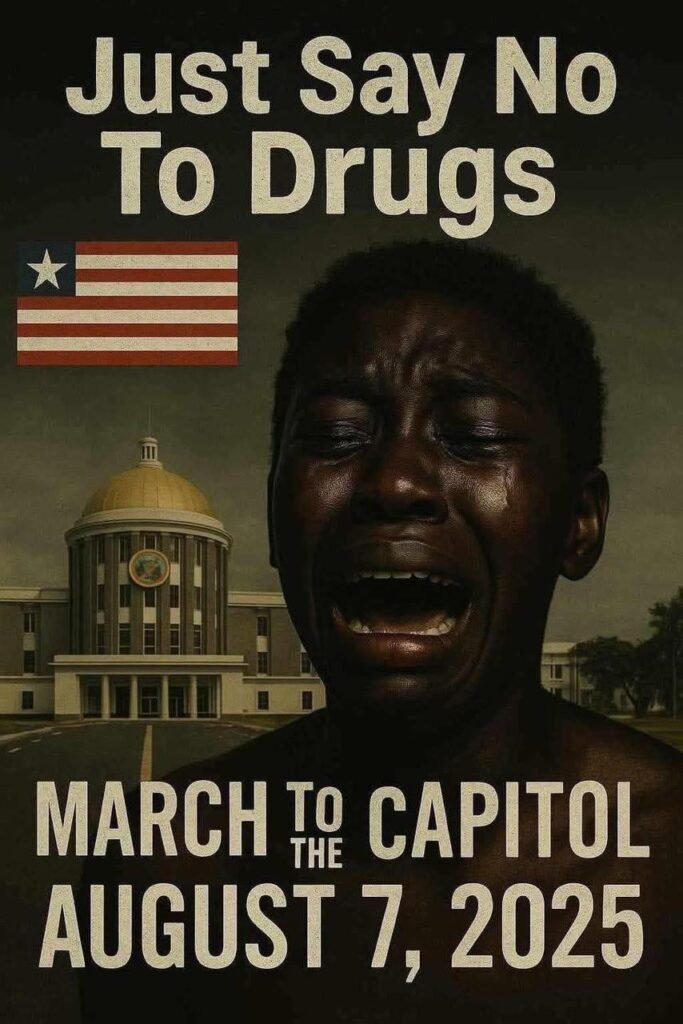
In order to achieve this, the coalition is advocating for funding for youth empowerment initiatives, mental health services, addiction treatment, and community-led education campaigns. They issued a warning against harsh measures that criminalize addiction and further isolate vulnerable groups.
The statement confirmed that addiction is a public health problem rather than a criminal one. “Rehabilitation facilities, not more jails, are what we need.”
The group also called for accountability and openness in the legal system. Declaring that public trust cannot endure in an environment of corruption and impunity, they demanded that law enforcement personnel implicated in drug trafficking be prosecuted. The coalition also called for regional cooperation with ECOWAS nations to enhance cross-border intelligence sharing and obstruct transnational trafficking routes.
The coalition emphasized the value of community ownership of solutions, culturally sensitive messaging, and grassroots mobilization, drawing on Liberia’s previous public health responses to crises like COVID-19 and Ebola. They emphasized that if stakeholders take immediate action, Liberia has the knowledge and resiliency to overcome this obstacle.
The coalition issued a warning, saying, “This drug epidemic threatens the very foundation of our future.” “The Liberian people, government organizations, traditional leaders, civil society, and foreign partners must unite. Now is the moment to take action.
AFELL, FeJAL, WONGOSOL, and the National Civil Society Council of Liberia, among other prominent national organizations at the forefront of rights advocacy, signed the declaration, reaffirming their dedication to creating a safer and healthier Liberia.
One message is clear as the nation struggles with this escalating crisis: the way forward is not silence but collective action. Liberians can overcome the drug epidemic and create a better future for future generations if they band together and are determined.
About the Author