
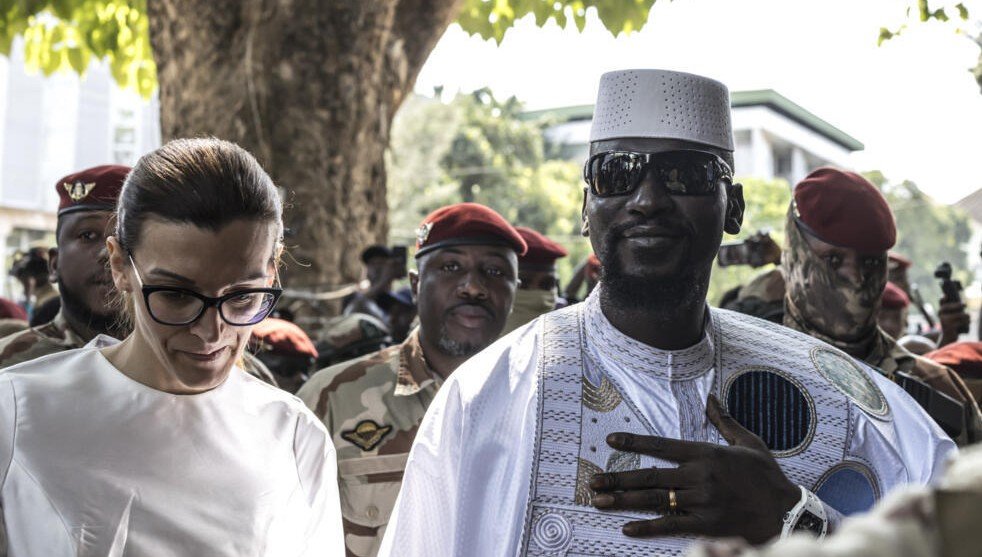
CONAKRY: Guinea’s first presidential election since the 2021 coup has ended with Gen. Mamady Doumbouya declared the winner with 86.72 percent of the vote, according to provisional results released Tuesday. The outcome cements the former junta leader’s transition into a civilian presidency but has stirred intense debate about the state of democracy and political freedom in the mineral-rich West African nation.
Doumbouya, who seized power from Alpha Condé four years ago, had initially pledged that military leaders would not run in elections. That promise was undone by a new constitution adopted in a September referendum, which also extended presidential terms to seven years and cleared the way for his candidacy.
“The election was widely expected to result in Doumbouya’s victory,” noted The Associated Press, pointing to the absence of strong challengers and the dissolution or sidelining of major opposition figures ahead of the vote.
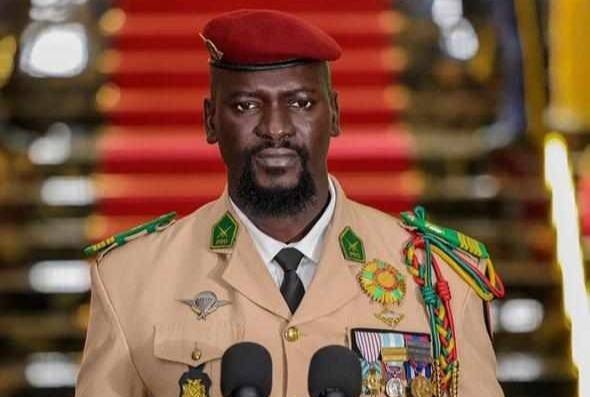
Official figures put voter turnout at about 81 percent, a figure contested by opposition politicians who said turnout appeared weak and that the process lacked transparency. Faya Lansana Millimono, an opposition candidate, accused authorities of “systematic fraudulent practices”, claiming observers were blocked from monitoring key parts of voting and counting.
Supporters of Doumbouya have pointed to the launch of the long-delayed Simandou iron ore project and the general’s push for greater state control over resources as hopeful signs for economic growth. Yéro Baldé, the second-place candidate, received just 6.51 percent of votes in preliminary results.
But criticism has been swift among civil society groups and rights observers. The United Nations raised concerns that the campaign period was “severely restricted,” marked by intimidation and constraints on media freedom,” highlighting a climate that critics say favored the incumbent.
In The Guardian, critics called Doumbouya’s decision to run despite earlier pledges a “betrayal,” with opposition coalitions saying, “The man who presented himself as the restorer of democracy chose to become its gravedigger.”
Guinea’s election will be watched closely by governments and investors alike, not only for political implications but for economic ones, especially as authorities hope the Simandou project will generate jobs and drive development in a country where many face persistent poverty and food insecurity.
Echoes of Liberia: A Reminder from History
The dynamics unfolding in Guinea bear a familiar resemblance to what happened in Liberia in 1985 following a coup by then-Master Sergeant Samuel Doe. After the 1980 coup that toppled President William Tolbert, Doe promised a return to constitutional rule. A new constitution was approved in 1984 and elections were held the following year, but the race was marred by allegations of widespread fraud and manipulation. Official results showed Doe with just over 50 percent of the vote, enough to avoid a runoff, but many observers argued the outcome did not reflect the will of Liberians and that ballots were counted in secret.
That disputed election deepened divisions and helped fuel unrest that eventually spiraled into Liberia’s devastating civil war five years later. Independent observers and historians have described the 1985 election as an attempt to use ballots to legitimize military rule, rather than to open meaningful political competition.
The parallels are striking: when elections appear engineered to confirm the power of those who seized it by force, long-term political stability can be elusive. Guinea’s government has eight days to validate the results in the face of any legal challenges, and how it responds to criticism in the coming weeks may shape both domestic confidence and international support.
What Comes Next
With Doumbouya now positioned to lead Guinea for the next seven years, the country enters a new chapter that will test whether political reforms translate into genuine democratic inclusion or whether the ballot box becomes a rubber stamp for entrenched power.
Editor’s Note:
This article was compiled from reporting by Reuters, The Associated Press and The Guardian, drawing on official results and reactions from candidates, civil society and international observers. We will continue to monitor official validation of the results and responses from Guinea’s opposition movements as they develop.
About the Author