

MONROVIA, Liberia — Former Public Works Minister Ruth Coker Collins has publicly questioned the technical capacity and management performance of current officials at the Ministry of Public Works, warning that several road projects advanced under her administration appear to have slowed or deviated from their original trajectory.
Speaking during a recent appearance on Okay FM with journalist Julius Jeh, Collins suggested that implementation gaps and weak project supervision may be affecting ongoing infrastructure works, reviving national debate over continuity in Liberia’s road sector.
Her remarks come as she simultaneously mounted a strong defense of her tenure, releasing detailed figures and project records in her outgoing press statement aimed at documenting what she described as measurable progress during her time in office.
Raises Concerns Over Continuity and Execution
Collins indicated that when her administration left office, several major national corridors had already reached advanced implementation stages. She suggested that maintaining project momentum requires consistent technical leadership, institutional coordination, and strong oversight, areas she implied may now be under strain.
While she avoided direct personal attacks, her comments clearly pointed to systemic weaknesses within the ministry’s operational structure that could affect delivery timelines and contractor supervision.
Infrastructure analysts say Liberia’s road sector has historically struggled with continuity between administrations, often leading to delayed completion, redesigns, or renegotiation of works already underway.
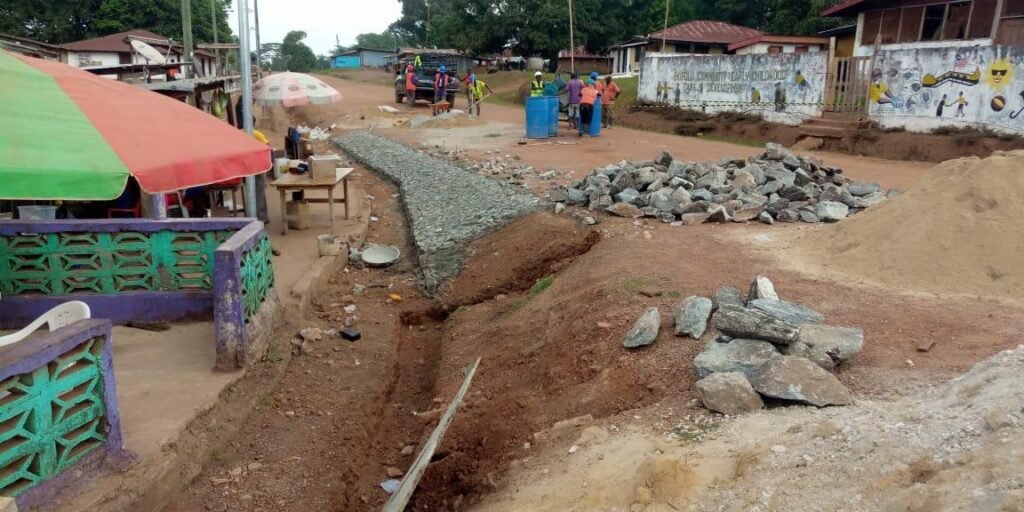
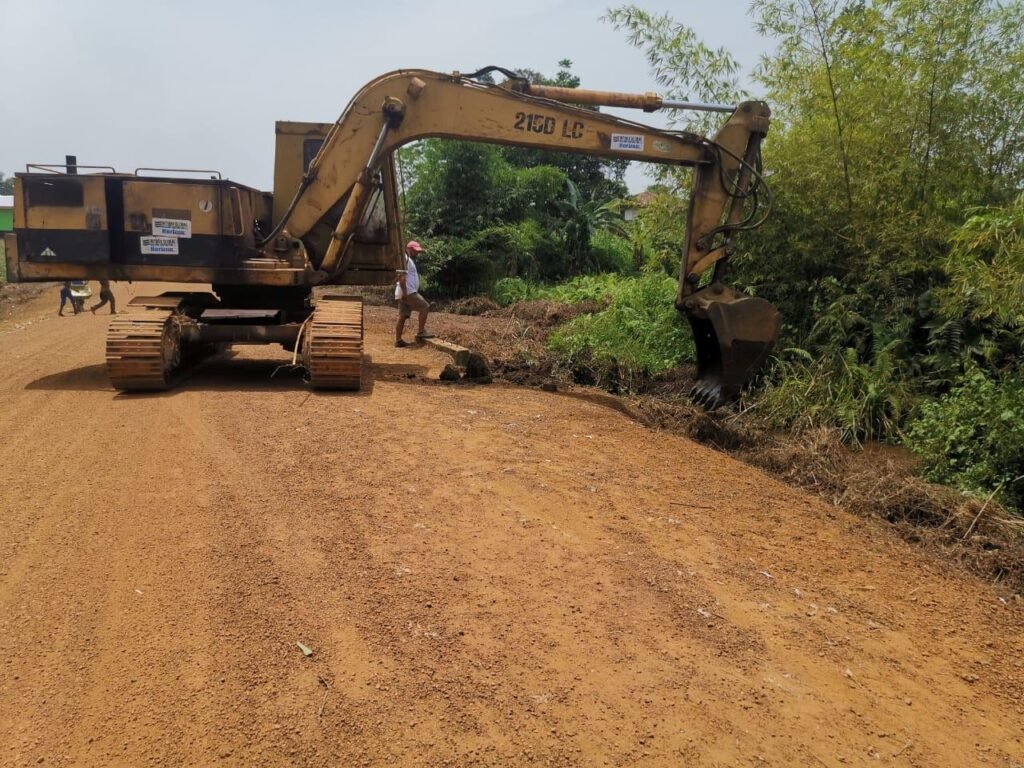
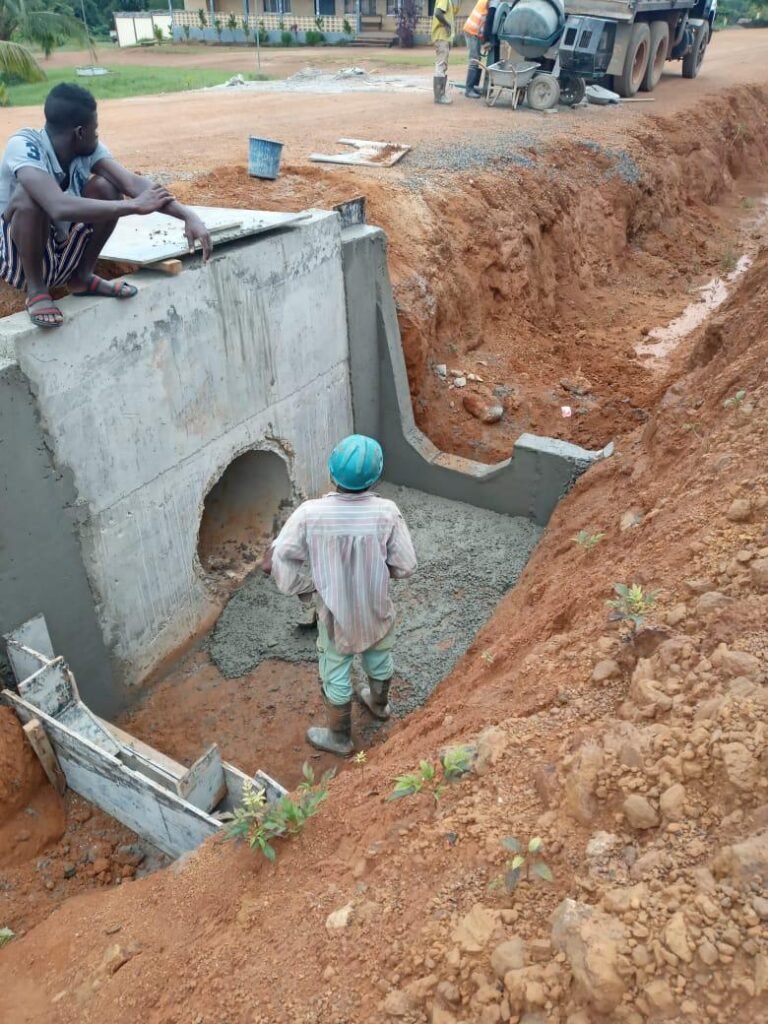
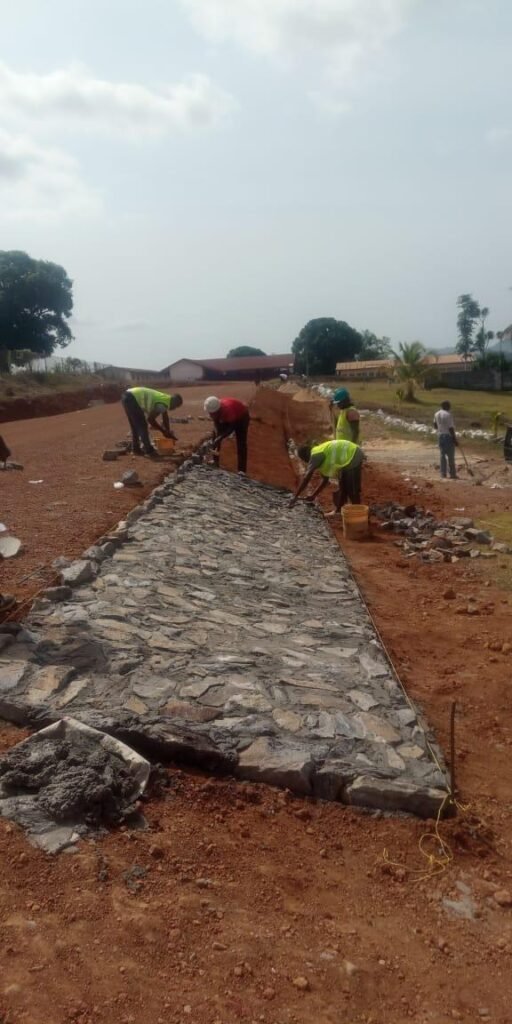
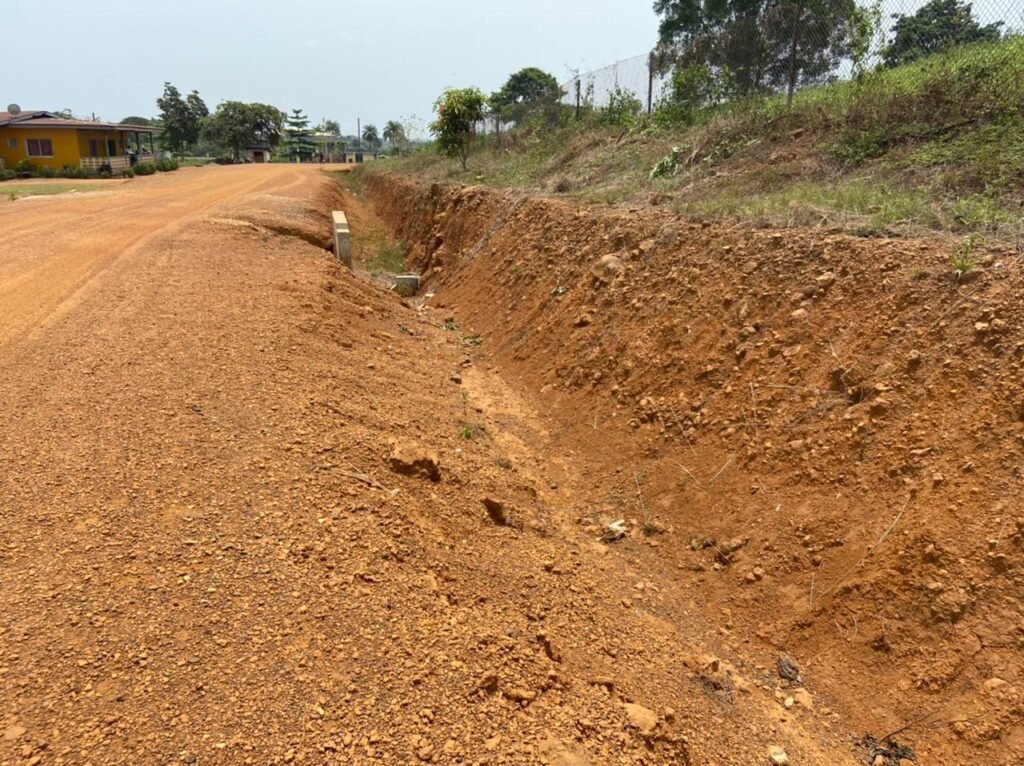
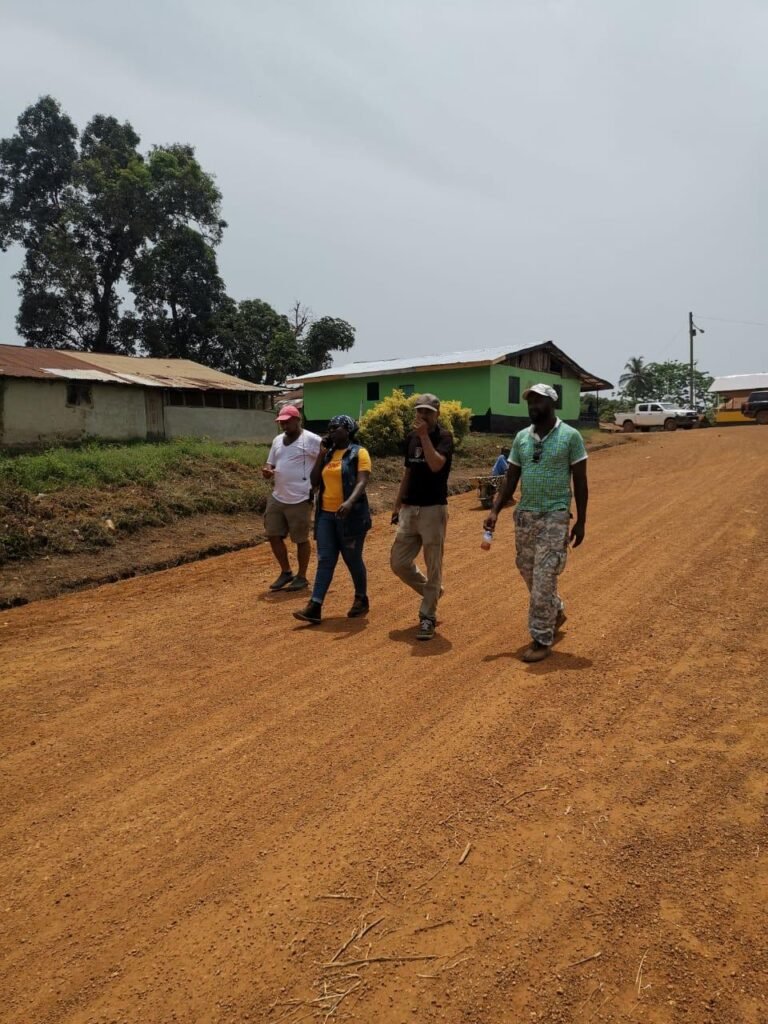
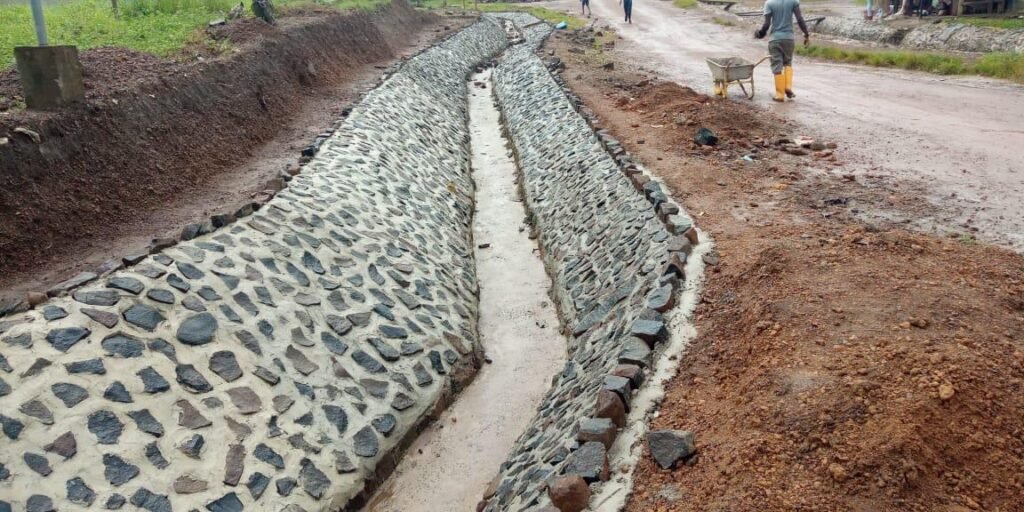
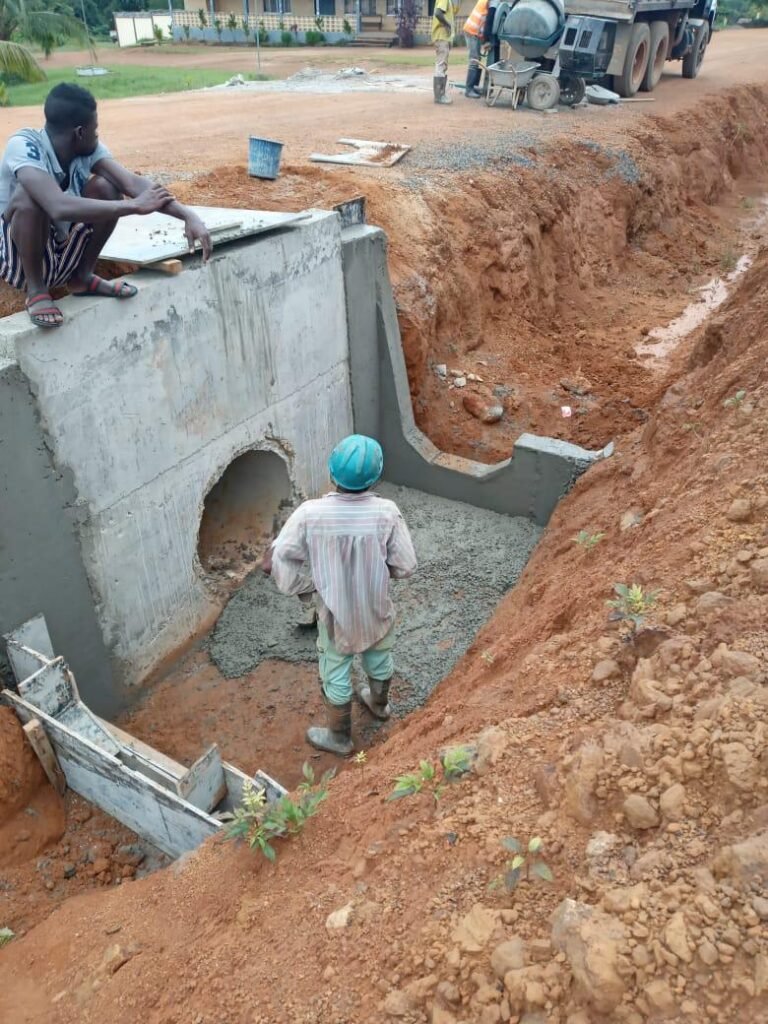
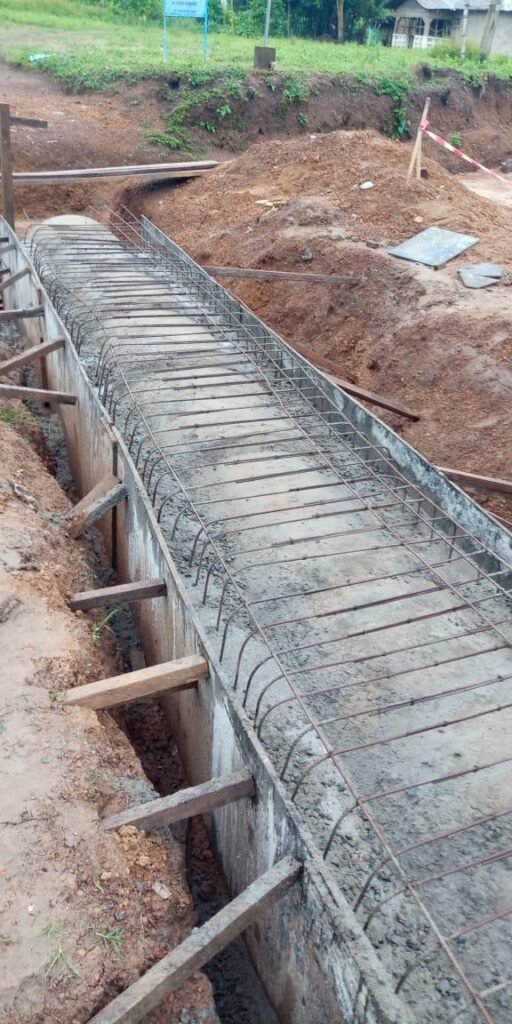
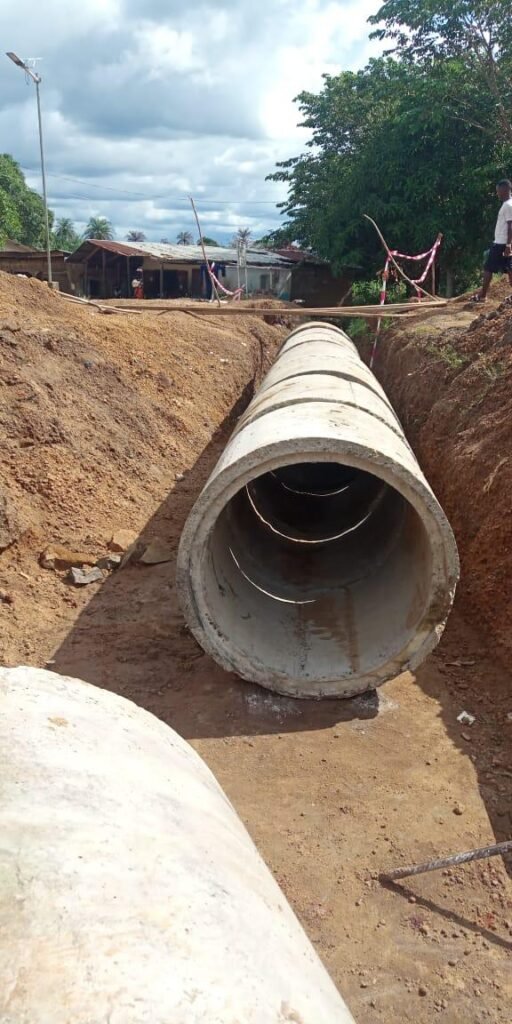
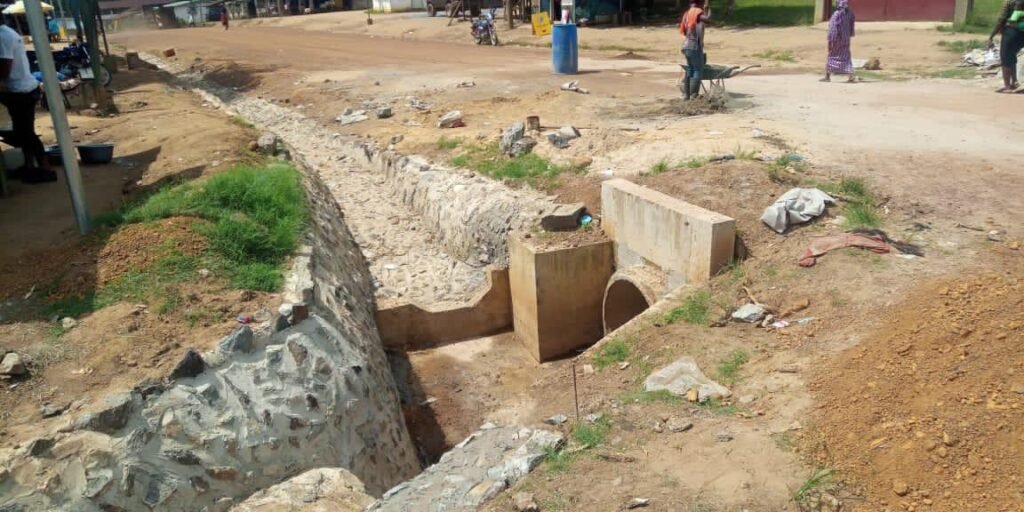
Image Carousel of the Chip Seal of the Gbarpolu Project
Releases Extensive Record of Roads and Projects
Collins presented a sweeping inventory of national highways, community roads, and donor-supported infrastructure projects handled during her stewardship.
She accordingly reported, community and urban road programs alone covered more than 170 kilometers, with over 96 kilometers paved during as at 2023.
She also stated that roughly 400 kilometers of roads were paved nationwide over the broader government period.
Collins emphasized that her leadership focused on completing inherited contracts rather than launching politically branded initiatives, arguing that continuity, not publicity stunts, drove the ministry’s strategy.
Highlights Major Highway Progress
Among the major national corridors cited as evidence of progress:
- The Coca-Cola Factory to ELWA Junction road, nearly completed with almost the entire stretch paved
- The Ganta–Saclepea highway, where large sections received asphalt layers
- The Gbarnga–Salayea road, which she said advanced from roughly one-quarter completion to more than ninety percent finished
- The Sanniquellie–Loguatuo corridor, which she reported had reached about seventy percent completion
Her administration also oversaw engineering designs for bridges, feasibility studies, coastal transport corridors, and multiple internationally financed connectivity programs.
Introduced Long-Term Infrastructure Framework
Collins further noted that her administration developed a ten-year Road Sector Development Plan designed to guide national infrastructure investment priorities.
Policy specialists say such long-term planning frameworks are critical for ensuring projects survive political transitions, but only if successor administrations actively implement them.
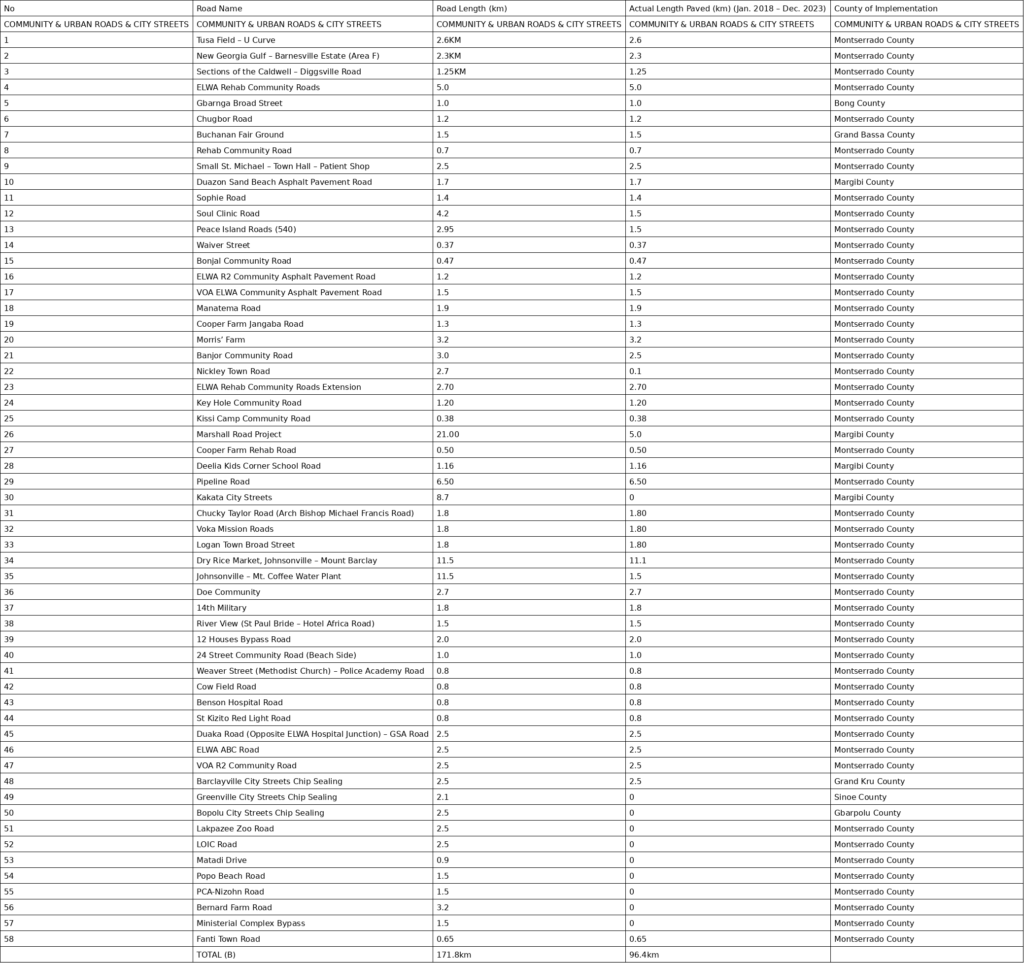
Rejects Contract Allegations
The former minister also used her press conference to firmly reject allegations that she improperly awarded contracts to her husband or family members.
She stated that her husband never received any ministry contract and clarified that a consultancy contract reportedly linked to a similarly named individual was issued by the National Road Fund without her approval or involvement.
Acknowledges Financial and External Constraints
Despite defending her performance, Collins acknowledged that some projects were affected by funding limitations, the COVID-19 pandemic, and climate-related disruptions that slowed construction schedules across the country.
Infrastructure Debate Expected to Continue
Collins’ remarks mark one of the most direct post-tenure criticisms from a former infrastructure minister in recent years and are likely to intensify scrutiny over the current pace of road construction and project supervision nationwide.
With infrastructure widely viewed as one of the most visible indicators of national development, her intervention places the Ministry of Public Works back at the center of Liberia’s governance and performance debate.
About the Author