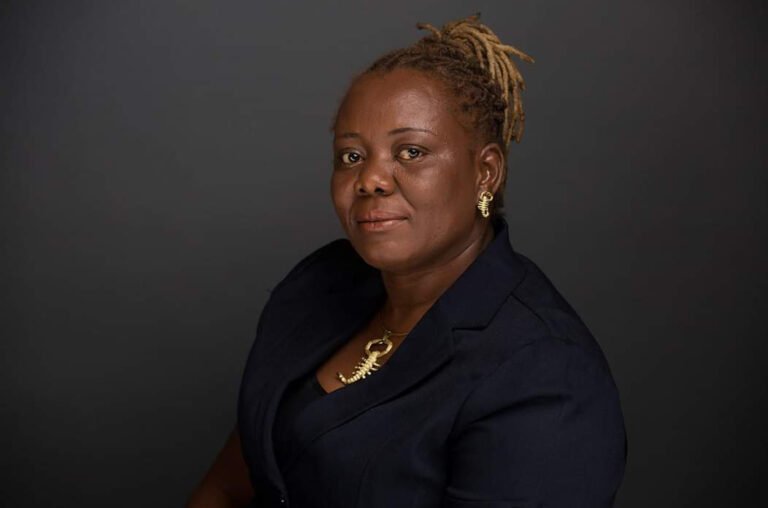

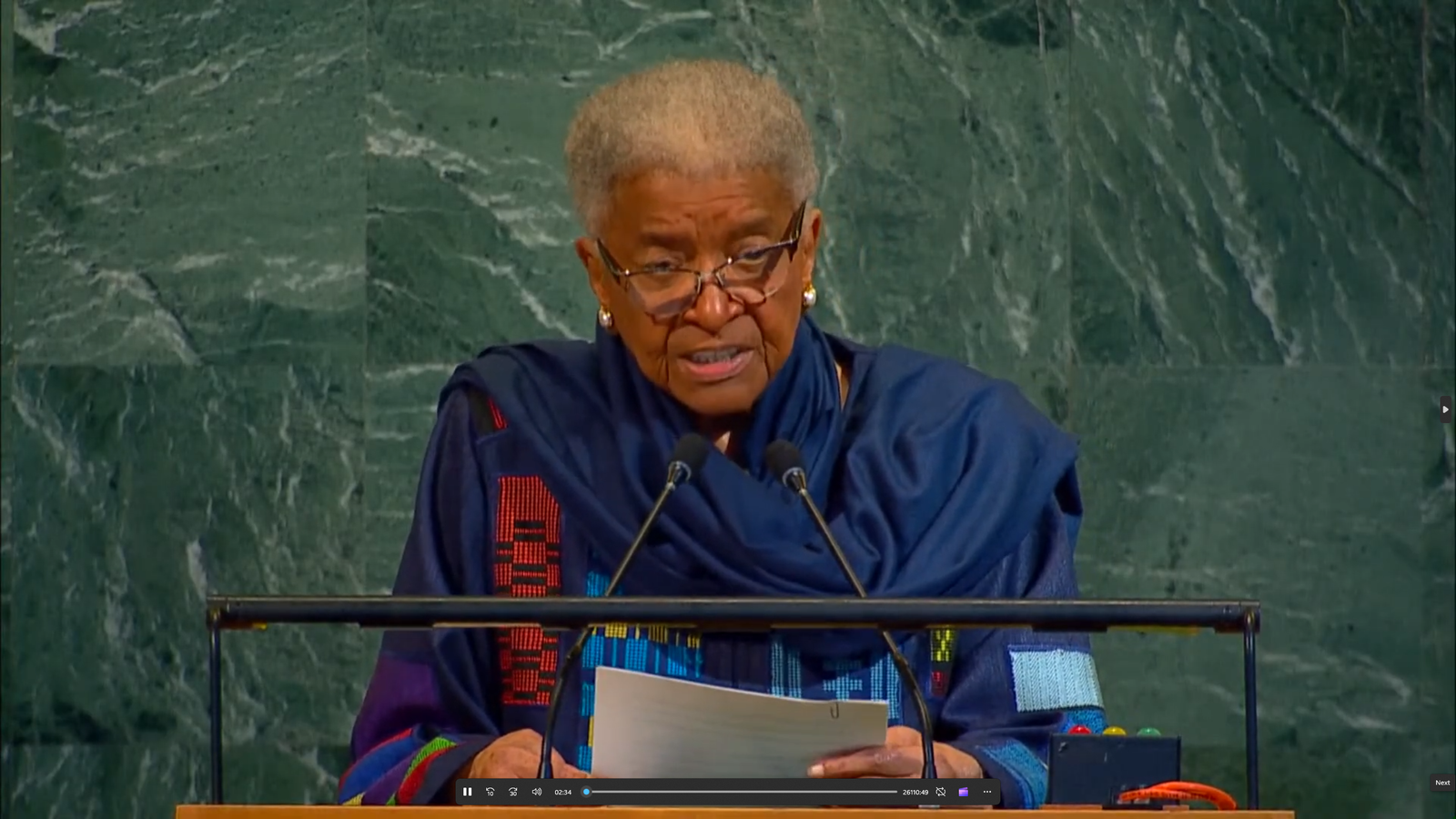
Former Liberian President Ellen Johnson Sirleaf used the global stage at the United Nations’ 80th anniversary to issue a stark warning: the UN risks slipping into irrelevance if world leaders continue to substitute lofty speeches for meaningful action.
Africa’s first elected female head of state and Nobel Peace Laureate did not mince words. She reminded delegates that the UN was created to shield future generations from the horrors of war, yet today’s fractured global order shows that vision is “underperforming.”
“Eighty years after the founding, we must recommit to the Charter, to our common security, to the belief that nations can choose dialogue over destruction,” Sirleaf said, her tone blending urgency with frustration.
Africa as the Test Case
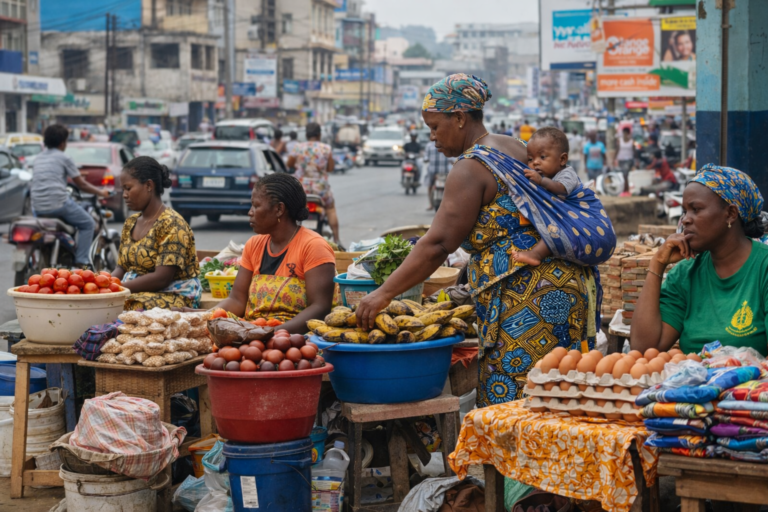
Sirleaf anchored her remarks in Africa, the continent she described as the “cradle of resilience and hope” but also one where the cracks of global neglect are most visible. From Sudan to the Sahel, coups, conflicts, and foreign meddling have battered fragile democracies, even as ordinary people and women’s groups struggle to stitch peace back together.
She pointed to Liberia’s own journey as living proof of what multilateralism can achieve when it works. The UN’s largest peacekeeping force, including India’s pioneering all-female police unit, disarmed fighters, safeguarded elections, and created space for rebuilding. Yet Sirleaf made clear that Liberia’s peace remains fragile precisely because promises of youth employment, accountability, and justice still lag.
Empty Rhetoric vs. Real Lives
In her critique, Sirleaf did not shy away from taking on the UN’s leadership. “Commemoration without candor is unaffordable,” she declared, warning that today’s global leaders have failed to rise to the urgency of technology-driven conflicts, widening inequality, and the dangerous weaponization of information.
Her call was not abstract. She insisted that solutions must be felt in the daily lives of people who look to the UN for hope:
- Families huddled in tents.
- Nurses working in under-supplied clinics.
- Children seeking safe classrooms.
- Youths waiting for dignified work.
Anything less, she suggested, is betrayal.
Demanding a New Multilateral Compact
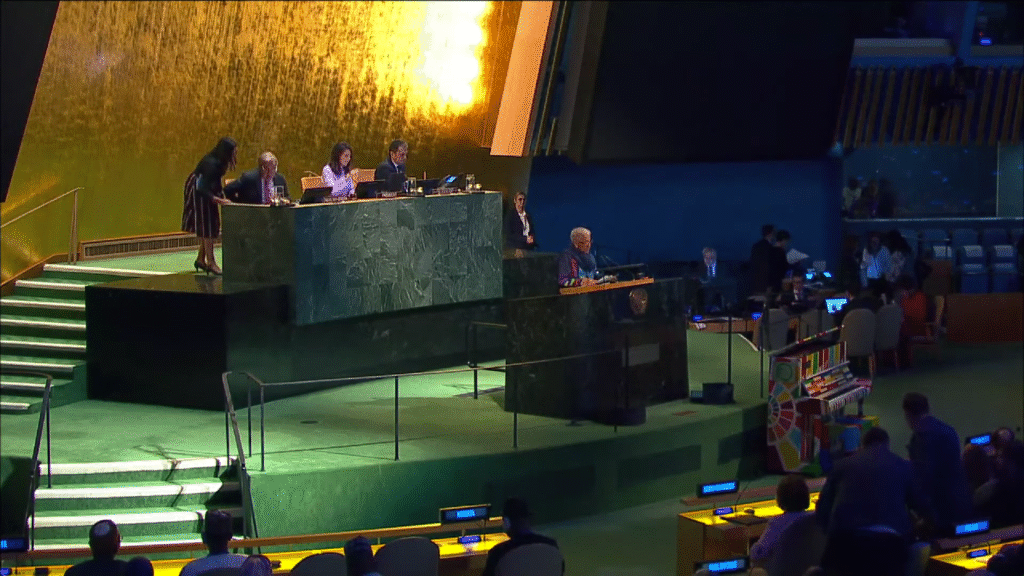
Sirleaf pushed for concrete commitments: civilian protection, stronger financing for conflict prevention, real accountability for leaders, and guaranteed seats for women at every negotiating table backed by budgets, not lip service.
“Peace is not built only in conference rooms,” she said. “It is built in classrooms where girls learn without fear, clinics where mothers deliver safely, markets where youth find dignified work, courts where law is fair, and in daily acts of neighborly coexistence.”
A Challenge to the UN and Its Members
For BanaBridge News, Sirleaf’s remarks expose the central paradox of today’s United Nations: a body celebrating its 80th year with pomp, while the very values it was built on are undermined by its own inertia and by the self-interest of powerful states.
“Eighty years on, the United Nations founding generation would ask if we are still worthy of the hopes inherited,” she challenged. Her answer: “Yes; not because the world is less dangerous, but because our determination is stronger.”
Whether that determination exists in today’s halls of power remains the question. For Africa, and for the world, the cost of another decade of empty promises may be far too high.
About the Author