
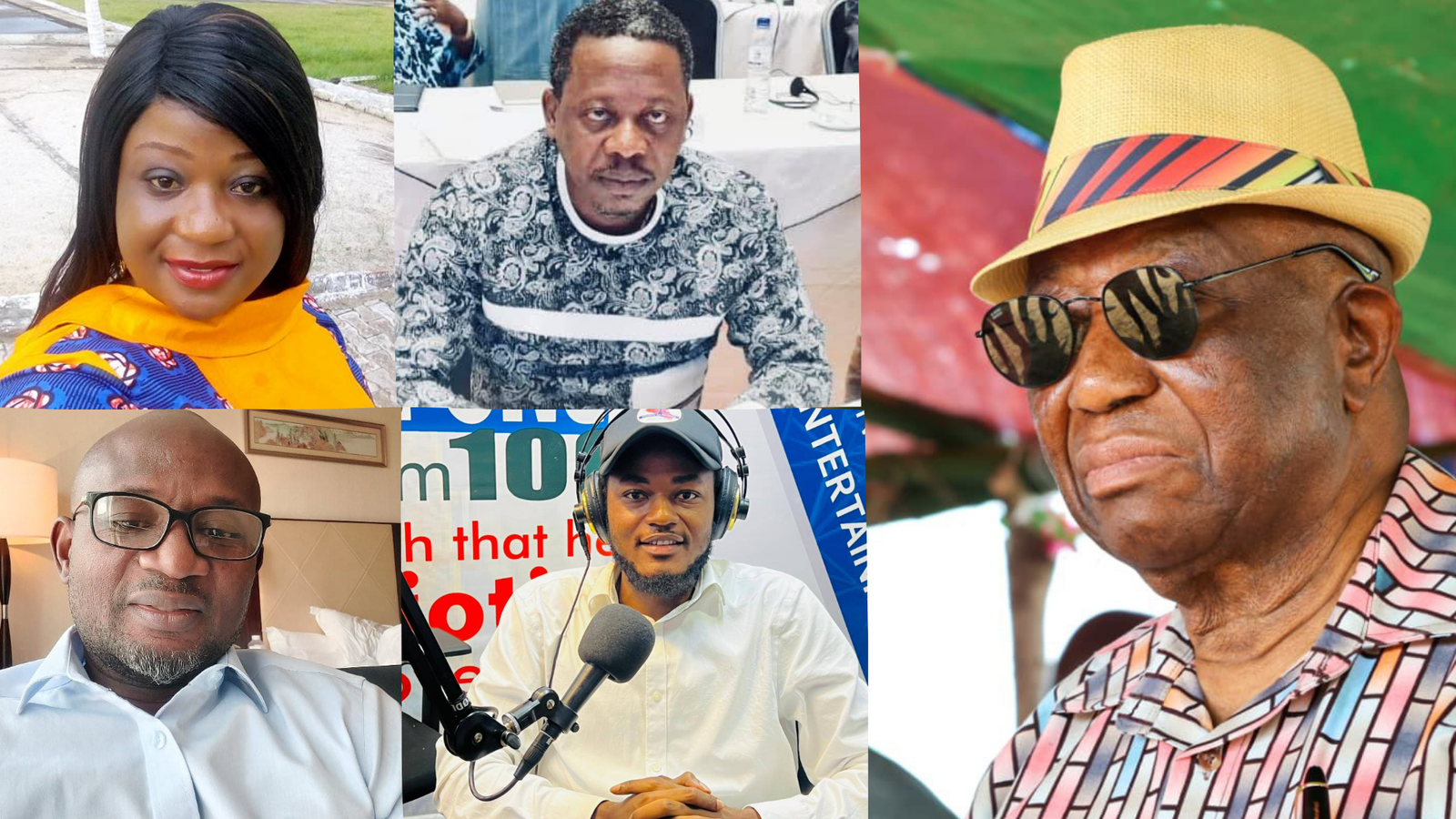
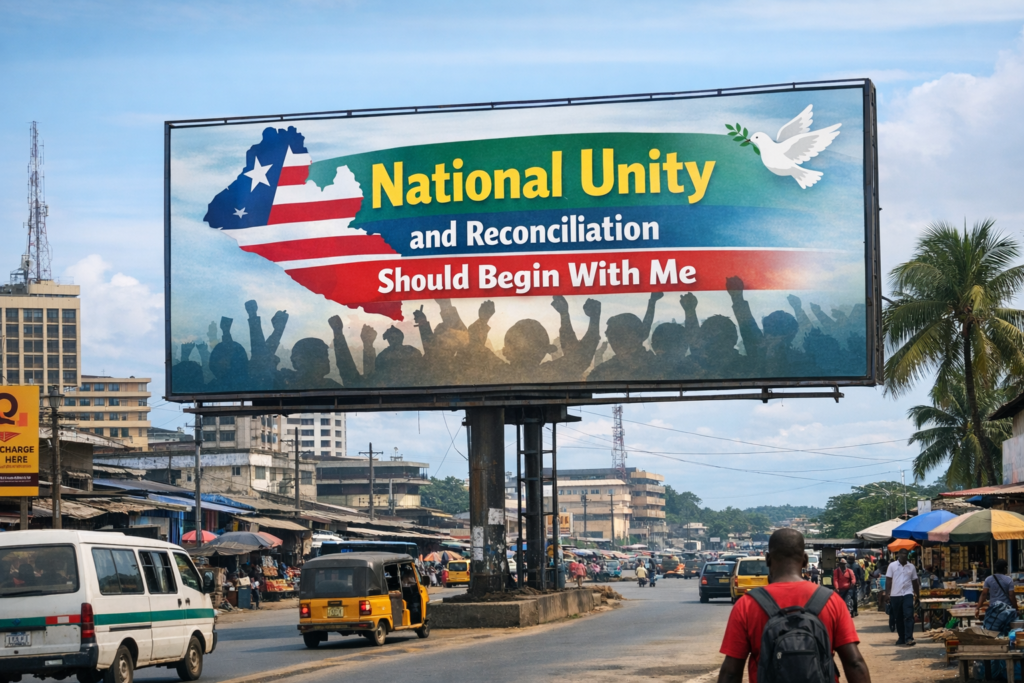
President Joseph Nyuma Boakai Sr. opened the new year with a call for national unity, urging Liberians to rise above political, ethnic, and social divisions as the country steps into 2026. In his New Year address, the President described the moment as a turning point, one that requires collective responsibility, healing, and renewed commitment to national purpose.
Reflecting on Liberia’s difficult past, President Boakai acknowledged years of division and hardship but emphasized the country’s resilience. He urged citizens to move away from politics driven by hostility and toward a shared vision built on cooperation and mutual respect.
According to the President, unity remains the foundation for development. He warned that tribalism, party loyalty, and religious differences cannot build roads, educate children, or create jobs. Instead, he called on Liberians to focus on shared national goals rather than personal or political rivalries.
The President was careful to say that unity does not mean silence or blind agreement. He stressed that disagreement and debate are natural in a democracy, as long as they are rooted in respect and national interest rather than personal attacks. In his words, unity should be about contesting ideas, not destroying one another.
He also appealed to political leaders, urging them to tone down inflammatory rhetoric and avoid turning disagreement into hostility. According to the President, opposition should never translate into sabotage, and criticism should aim to strengthen, not weaken the country.
Beyond politics, the President called on traditional leaders, religious institutions, youth groups, women’s organizations, and the Liberian diaspora to play active roles in national development. He said no single group or region can move Liberia forward alone and emphasized that progress requires shared sacrifice.
In a moment that stood out, President Boakai described peace as strength, not weakness, and pledged to govern with humility, fairness, and integrity. He reaffirmed his administration’s commitment to responsible leadership and accountability, including in its engagement with international partners.
However, the President’s message quickly met resistance from opposition figures and ordinary citizens who questioned whether the government’s actions match its words.
Former Montserrado County District 8 Representative and senior CDC figure, Hon. Acarous Moses Gray, welcomed the tone of unity but said it came too late. While acknowledging the importance of peace, Gray argued that unity must be demonstrated through action, not speeches.
He accused certain government officials of fueling division rather than calming tensions and criticized what he described as selective justice. Referencing cases such as the Capitol Building incident and legal actions involving former Speaker J. Fonati Koffa, Gray said the administration appears to target political opponents while shielding allies.
“JNB wants a UNITED country! He needs to tell Daniel Sando to stop cussing opposition leaders! Stop firing CDC civil servants!” – Kwame Oldpa Weeks
Gray also expressed concern over what he described as declining public trust in the justice system and rising incidents of police brutality. He questioned whether the government’s approach to drug-related issues, including the growing presence of a substance known as “spark,” reflects genuine concern or political opportunism.
“How you beat the gbayma drum is how we will dance,” Gray said, suggesting that the government’s conduct will determine how the opposition responds. He maintained that the CDC remains open to cooperation but will not abandon its responsibility to hold leaders accountable.
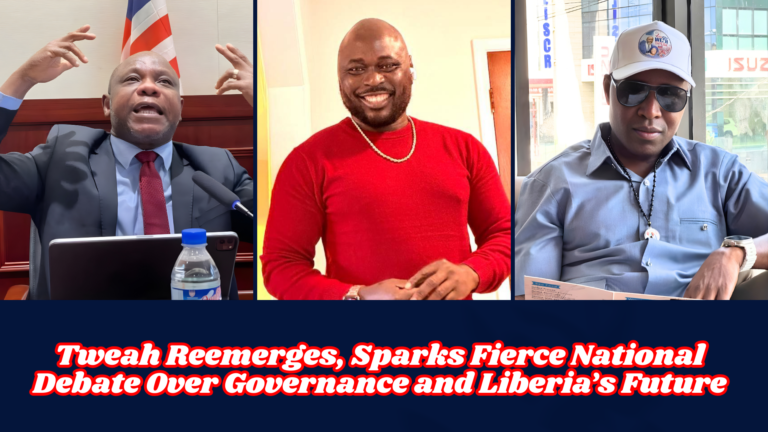
Adding to the criticism, CDC Council of Patriots Chairman Foday N. Massaquoi offered a sharper assessment, arguing that the President’s message lacked credibility when measured against actions on the ground.
Massaquoi questioned whether a government accused of selective justice could genuinely claim to promote unity. He pointed to what he described as the unequal application of the law and the alleged use of state institutions, including the police, national security, and anti-corruption bodies, to intimidate political opponents.
He also criticized the lack of engagement with major opposition figures, including former President George Weah, and described the dismissal of thousands of civil servants, many believed to be CDC supporters, as evidence of political exclusion rather than national reconciliation.
According to Massaquoi, democracy cannot survive where dissent is treated as disloyalty. “Opposition is not hatred. Criticism is not betrayal,” he said, warning that when leaders equate disagreement with sabotage, the foundations of democracy begin to crack.
Beyond party politics, voices from the public have also joined the debate. Commenting on social media, activist Kwame Oldpa Weeks wrote, “JNB wants a UNITED country! He needs to tell Daniel Sando to stop cussing opposition leaders! Stop firing CDC civil servants!” His remarks echoed growing concerns that unity cannot exist where citizens feel targeted or silenced.
Another citizen, Varnetta Johnson Freeman, questioned the sincerity of national unity appeals, pointing to recent controversies surrounding the County Meet. “National unity? When even the one thing that unites us as a country and people has been compromised just to please those in power?” she wrote. “National unity is not in long scripted messages. It is in actions and deeds.”
Together, these reactions reflect a widening gap between government messaging and public perception.
While President Boakai’s address signaled an awareness of Liberia’s deep divisions, critics argue that acknowledgment alone is not enough. For many, unity must be demonstrated through fairness, inclusion, and respect for the rule of law.
As Liberia moves deeper into 2026, the question remains whether the President’s words will translate into meaningful reform or whether political divisions will continue to shape the national conversation. For now, the promise of unity stands tested by public expectation and political reality.
About the Author