
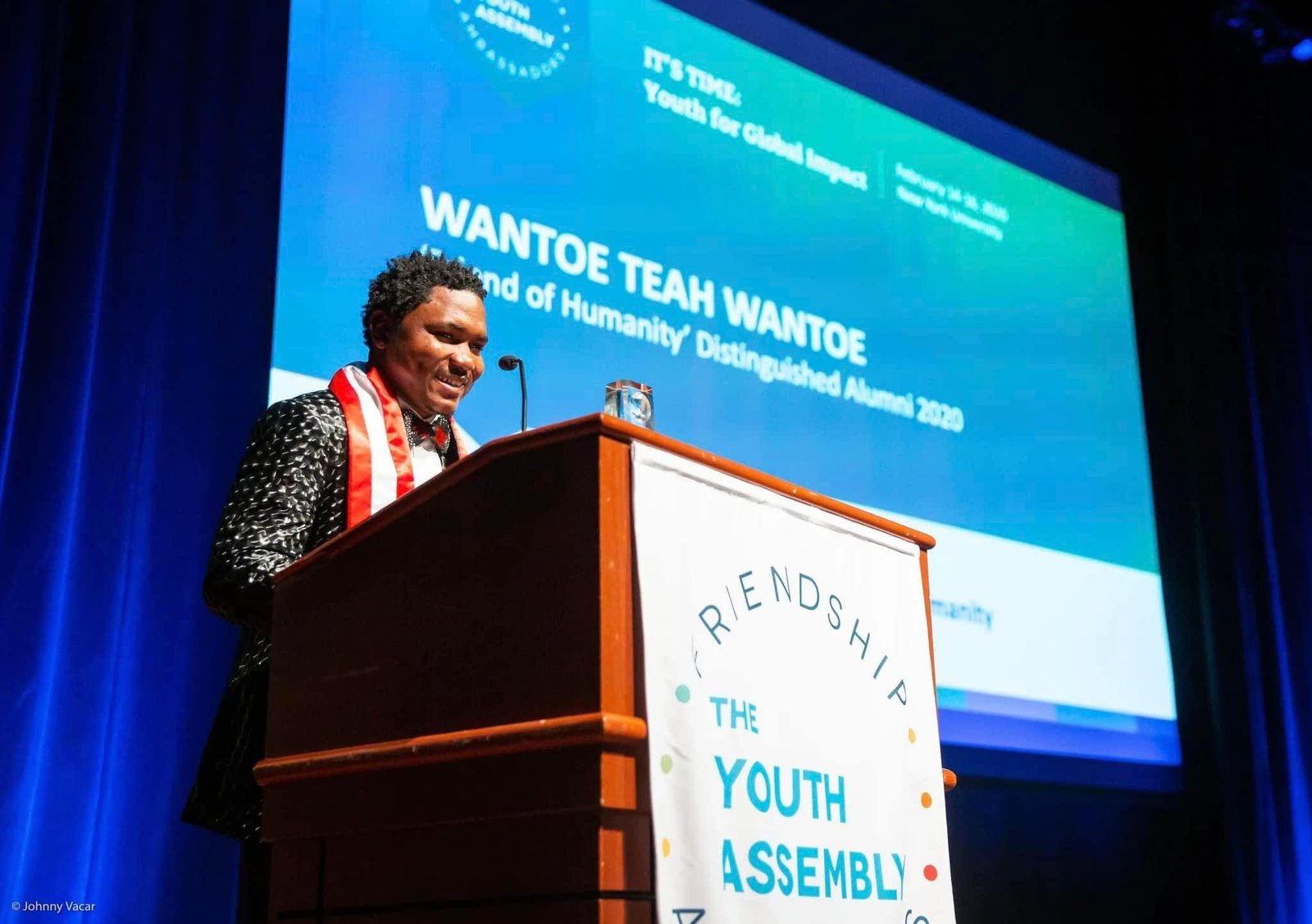
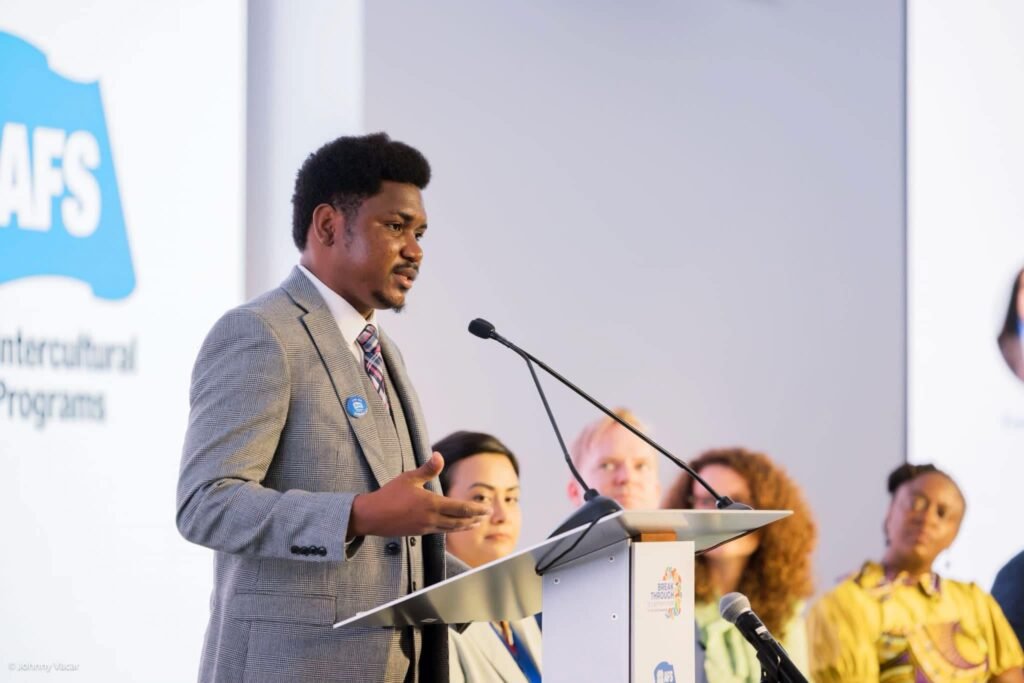
A Liberian governance activist, Samuel Teah Wantoe, popularly known as Wantoe Teah Wantoe, has released what he describes as a comprehensive record of 500 documented governance failures and deficiencies under the administration of President Joseph Nyumah Boakai, as the country approaches the end of 2025.
In a lengthy Facebook post published this week, Wantoe said the compilation draws from publicly reported facts, official audits, sector performance reviews, and media investigations, including reporting by FrontPage Africa. He stressed that the list is not motivated by political rivalry or sentiment, but by what he termed “measurable outcomes and lived national realities.”
“Governments are not judged by speeches, frameworks, or conferences,” Wantoe wrote. “They are judged by roads that last, hospitals that function, schools that educate, factories that employ, and systems that work.”
A sector-by-sector critique
According to Wantoe, the 500 points span nearly every area of governance, including the presidency, macroeconomic management, public finance, justice, education, health, infrastructure, agriculture, labor, mining, security, and local governance. His critique repeatedly contrasts policy promises with what he argues are limited tangible outcomes two years into President Boakai’s term.
Among the issues highlighted are allegations of weak enforcement of performance accountability within the executive, repeated audit findings without sanctions, delayed or stalled infrastructure projects, and unresolved procurement controversies, most notably the much-publicized yellow machines program for road rehabilitation.
Wantoe’s document also points to persistent food insecurity, high poverty levels, youth unemployment, and what he describes as a widening gap between record national budgets and visible public assets. He argues that economic growth figures have not translated into improved living standards for most Liberians.
Public finance and accountability concerns
A significant portion of the compilation focuses on public financial management, citing budget discrepancies, under-disbursement of approved funds, and recurring documentation gaps flagged by auditors. Wantoe contends that repeated explanations of “human error” have weakened public trust, while enforcement mechanisms remain largely absent.
He further criticizes the government for what he describes as fragile fiscal discipline, delayed salary payments, and limited transparency surrounding state-owned enterprises and special accounts.
Social services and rule of law
The list also raises concerns about overcrowded prisons, prolonged pretrial detention, slow corruption prosecutions, and delays in promised justice sector reforms. In education and health, Wantoe points to dilapidated infrastructure, delayed teacher salaries, under-equipped hospitals, and continued dependence on donor funding.
On gender and social protection, the activist notes low conviction rates for gender-based violence cases, limited survivor services, and thin social safety nets amid rising vulnerability.
Entering 2026 under scrutiny
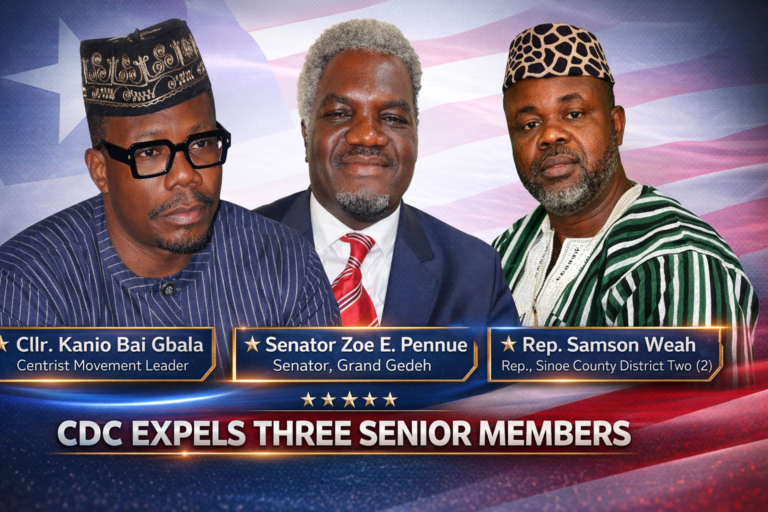
Wantoe, who is also a member of the opposition, Congress for Democratic Change (CDC), concludes that the Boakai administration is entering 2026 with unresolved credibility challenges, arguing that public confidence has become increasingly conditional on delivery rather than rhetoric. He maintains that citizens are demanding factories instead of conferences, jobs instead of speeches, and equipped hospitals instead of referrals.
By year’s end, he writes, the administration “stands judged less by intentions and more by unresolved delivery gaps affecting everyday Liberians.”
As of publication, the government has not issued a formal response to Wantoe’s compilation. BanaBridge News will continue to seek reactions from relevant ministries and the Executive Mansion.
Editor’s Note
The article above reflects a compilation and interpretation of claims publicly shared by Liberian governance activist Samuel Teah Wantoe regarding the administration of President Joseph Nyumah Boakai. The views, assessments, and conclusions outlined in the original post are those of the author and cited sources, and do not represent an official position of BanaBridge News.
BanaBridge News publishes this report in the interest of public accountability, open democratic discourse, and informed civic engagement. The issues raised touch on matters of governance, service delivery, and public trust that are of legitimate national concern. We remain committed to fairness, accuracy, and balance, and will continue to provide space for responses, clarifications, or counterviews from the Government of Liberia and any institutions referenced.
Our editorial responsibility is to inform the public, encourage evidence-based debate, and uphold the public’s right to scrutinize governance through verifiable facts and transparent dialogue.
About the Author