
U.S.-based Liberian media owner, Stanton Witherspoon has admitted that he and several political commentators deliberately promoted false narratives suggesting former President George Manneh Weah was linked to a series of high-profile deaths and disappearances during his administration.
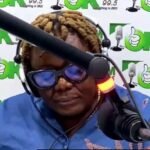
Speaking recently on his widely followed show, Spoon Talk, Witherspoon said the allegations, ranging from claims of orchestrated killings of government auditors to connections with the disappearance of three boys from West Point, were not supported by evidence but were strategically crafted to undermine the former president.
“We framed routine deaths, natural causes, medical complications, accidents as targeted killings,” Witherspoon stated. “We wanted to damage Weah politically. It was coordinated. It was deliberate.”
Disinformation Amid National Hardship
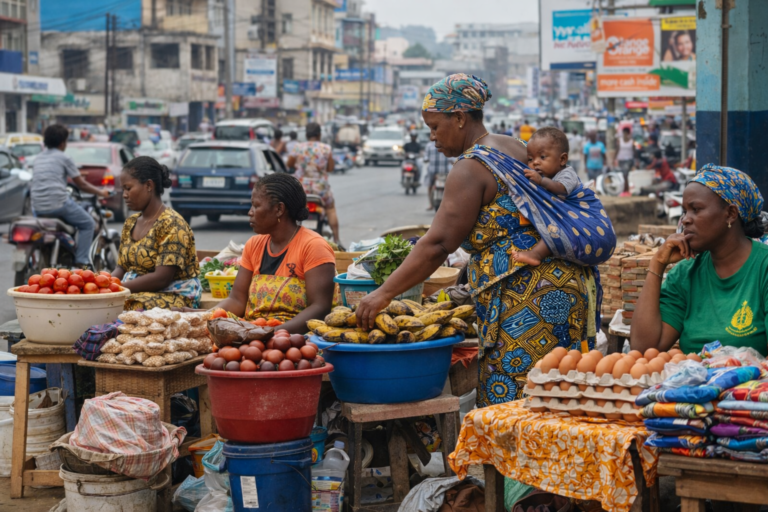
Witherspoon said the strategy was deployed during a period of economic strain in Liberia, when inflation soared above 26 percent and youth unemployment remained above 80 percent. He explained that public frustration created a climate where emotionally charged claims could spread easily.
“People were frustrated, so we took advantage of that,” he said. “We amplified every tragedy as if it were a state-sponsored murder. We turned suspicion into certainty.”
The allegations gained national traction, fueling public panic and widespread protest calls, even as authorities insisted the deaths were unrelated and caused by health complications or accidents.
Auditor Deaths Misrepresented
At least four government auditors died under differing circumstances during Weah’s tenure. While investigations cited vehicle accidents, medical issues, and other non-criminal causes, Witherspoon acknowledged that his media circle intentionally recast these events as assassinations.
“We didn’t wait for autopsies. We didn’t wait for facts,” he said. “We simply claimed it was murder and pushed it hard.”
The claims quickly became one of the most politically explosive narratives of the period.
Smearing Forensic Experts
Witherspoon also admitted that the campaign targeted forensic specialists, including Liberian pathologist Dr. Benedict Kullie, who conducted official autopsies. According to him, commentators knowingly portrayed medical examiners as political operatives working to protect the government.
“We accused experts of being paid agents,” Witherspoon said. “It wasn’t true. We knew it wasn’t true. But it supported the story we wanted people to believe.”
A Coordinated Effort With Political Intent
Witherspoon said the messaging was part of a broader communication strategy designed to:
- Undercut President Weah’s credibility,
- Erode public trust in state security institutions,
- Heighten political tension, and
- Influence voter attitudes during key political moments.
Analysts note that the approach reflects broader global trends in which domestic actors drive political disinformation. A 2023 UNESCO report found that 70 percent of political misinformation campaigns in developing democracies originate internally.
National Reaction and Unanswered Questions
The confession has triggered heated debate across Liberia and within the diaspora. Supporters of Weah say the admission validates their claims that the former president was the target of a deliberate character-damaging operation. Critics of Witherspoon argue the revelation exposes a troubling erosion of journalistic ethics and public trust.
Legal experts say it is unclear whether the confession will lead to civil or criminal consequences, though some believe affected families and institutions may pursue accountability.
Politically, the impact is still unfolding.
What remains certain is that Witherspoon’s admission has reignited scrutiny of one of Liberia’s most controversial political episodes and raised deeper concerns about misinformation, media influence, and the stability of public discourse.
Editor’s Note — Honest Politicking
This story is part of BanaBridge News’ Honest Politicking series, an editorial initiative focused on exposing how political narratives; true or false, are constructed and used to shape public perception. Our goal is not to defend or indict political actors, but to clarify how information is created, disseminated, and weaponized within Liberia’s democratic space.
About the Author