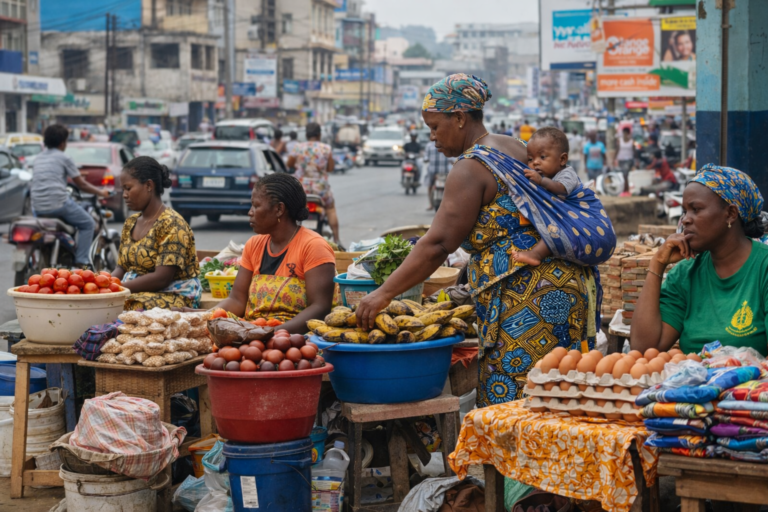

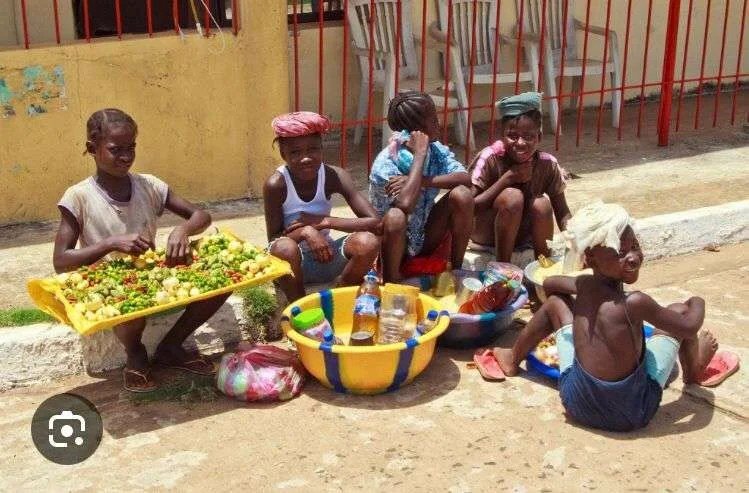
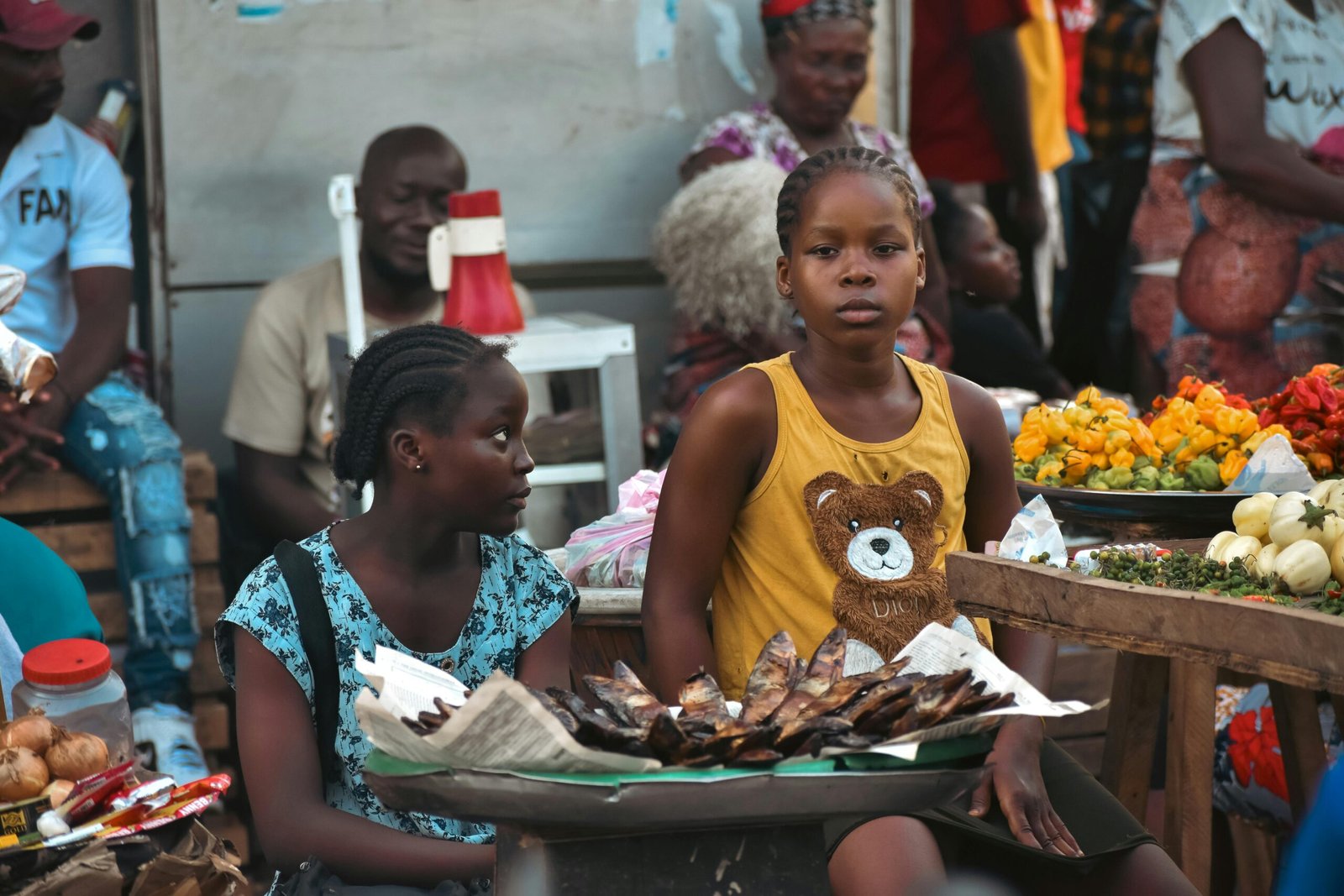
At dawn in Monrovia, the city awakens to the sight of children weaving through traffic selling cold water, fruits, biscuits and phone scratch cards.
Instead of wearing backpacks and heading to school, they balance trays on their heads, battling exhaustion and uncertainty.
Many are orphans. Others are children of families unable to afford basic meals, let alone school fees. These young vendors are not only working to survive today, they are being forced to trade away their future.
“Every street child represents a dream interrupted”, said James Dennis, a class room. Teacher.
A Cycle of Lost Potential
Education is widely regarded as the foundation of national progress, yet for thousands of Liberian children, school remains out of reach. Without access to learning, they become trapped in generational poverty.
“Today’s street child becomes tomorrow’s unemployed youth”, he re-emphasized.
Without an education or vocational training, these children grow into adults with limited opportunities, often becoming vulnerable to crime, drug use, or exploitation.
According to him and as a result of this, the nation loses potential teachers, nurses, engineers, and leaders, individuals who could contribute to Liberia’s development.
Exploitation and Abuse
He narrated that street life exposes minors to severe risks. Many encounter physical abuse, sexual exploitation, and financial manipulation by adults who profit from their labor. Lacking protection, they are easy targets for traffickers and predators.
Beyond the physical danger lies the emotional toll: trauma, fear, and a deep sense of abandonment”, he added.
“Child vending is not entrepreneurship, it is exploitation”, said Mother Cecelia Tamba.
A Call to Action
She stressed that the silent crisis demands urgent collective action namely;
- Government: Enforce compulsory education and strengthen laws against child labor.
- Communities: Support vulnerable families with microfinance and food assistance.
- Faith Institutions: Invest offerings in education and social programs that support at-risk children.
- NGOs & Donors: Provide scholarships, mentorship, counseling, and rehabilitation centers.
- Citizens: Stop supporting child vending during school hours.
Mother Tamba reechoed that Liberia’s children should be holding books, not fighting traffic for survival.
“They are not statistics, They are future leaders waiting for a chance”, she blasted.
According to her, the future of Liberia depends on how it treats its children today.
Editor’s Note: This article highlights the voices and concerns of community advocates regarding the rising number of children living and working on the streets in Liberia.
The experiences, observations, and statements referenced in this story are based on interviews conducted by our reporter.
The views expressed by the individuals quoted do not necessarily reflect the editorial position of this news outlet. We recognize the sensitivity of this issue and remain committed to balanced reporting.
Relevant government agencies and child protection institutions will be contacted for comment, and any official responses will be included in follow-up reporting as part of our commitment to accurate, ethical, and accountable journalism.
About the Author