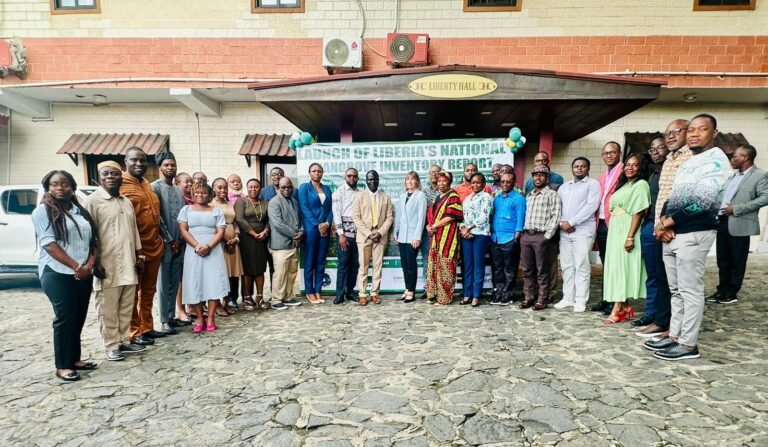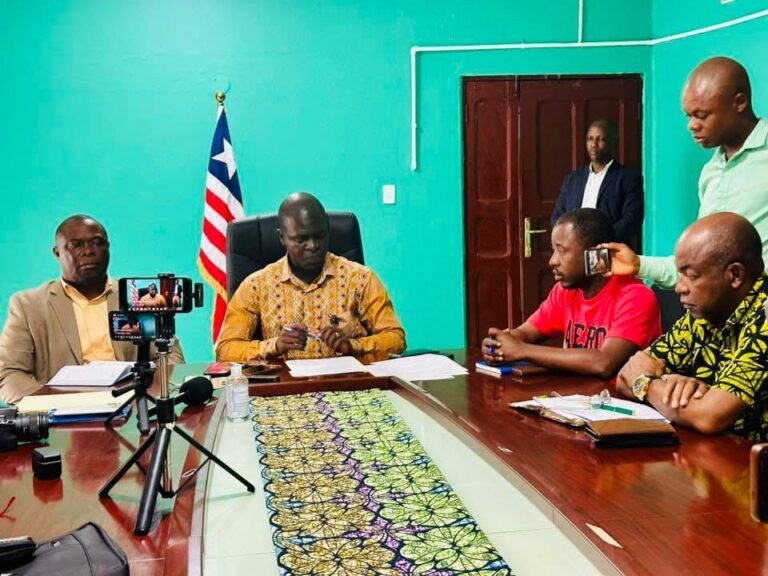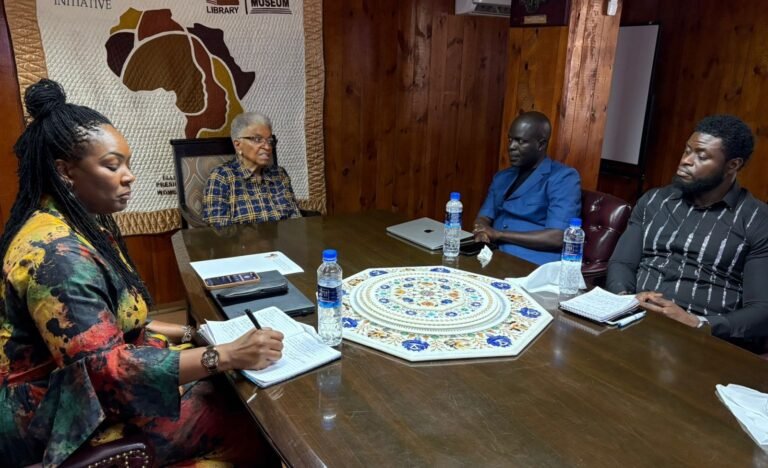

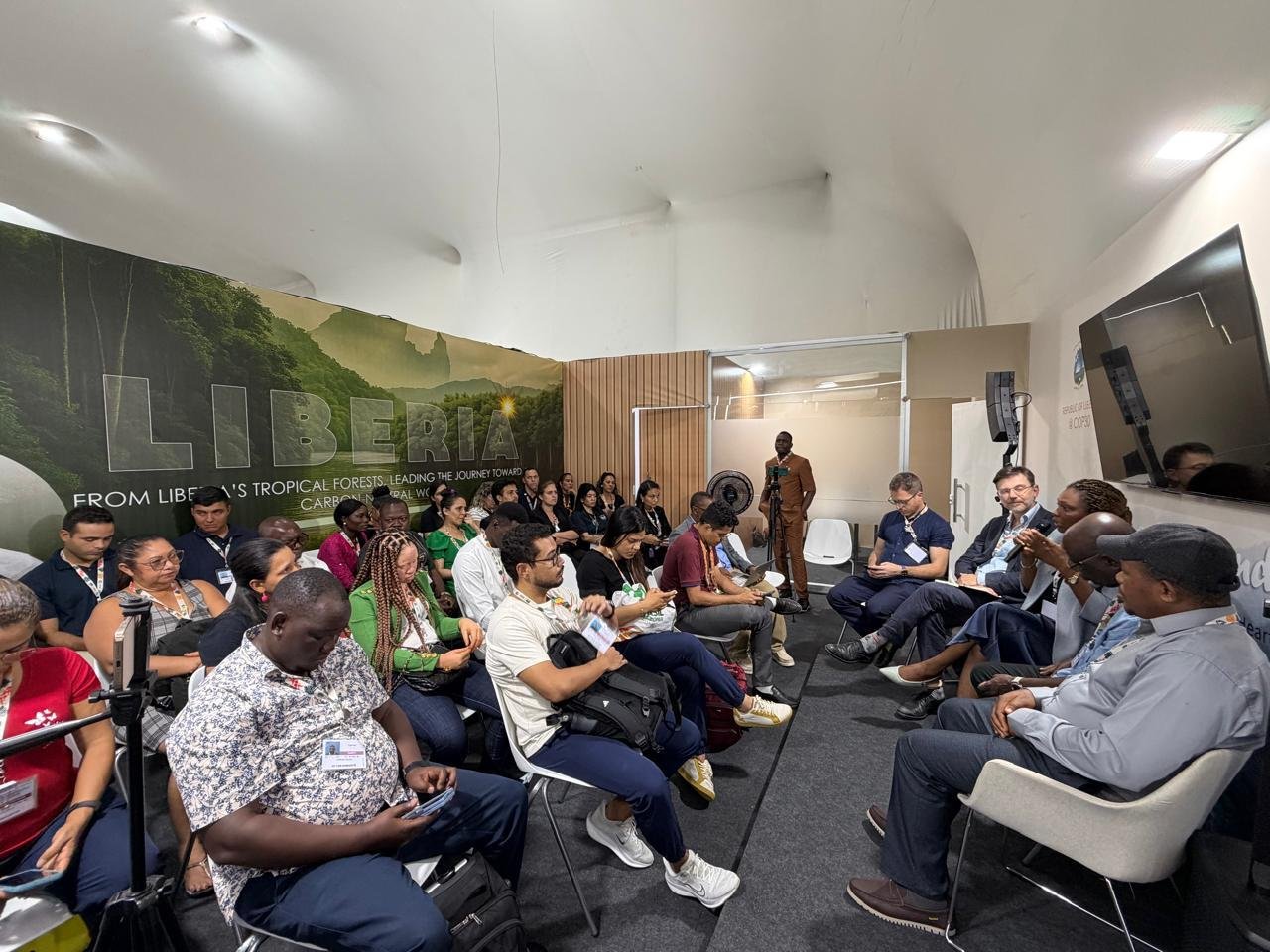
In Belem, Brazil: The Society for the Conservation of Nature of Liberia (SCNL) hosted a compelling panel discussion at the Liberia Pavilion during COP30 in Belém, Brazil, focusing on how innovative financing can unlock the potential of community-led conservation initiatives across Liberia and the wider region.
The event gathered experts and activists working directly with forest communities, giving attention to solutions driven by local knowledge rather than top-down interventions.
Alade Adeleke, Country Program Manager of the Sierra Leone Royal Society for the Protection of Birds, emphasized how central communities are to meeting climate and biodiversity goals. He explained that when communities lead conservation efforts, ecosystems are better protected, livelihoods improve, and resilience to climate change increases. However, he stressed that without the right funding models and policy backing, these initiatives struggle to expand.
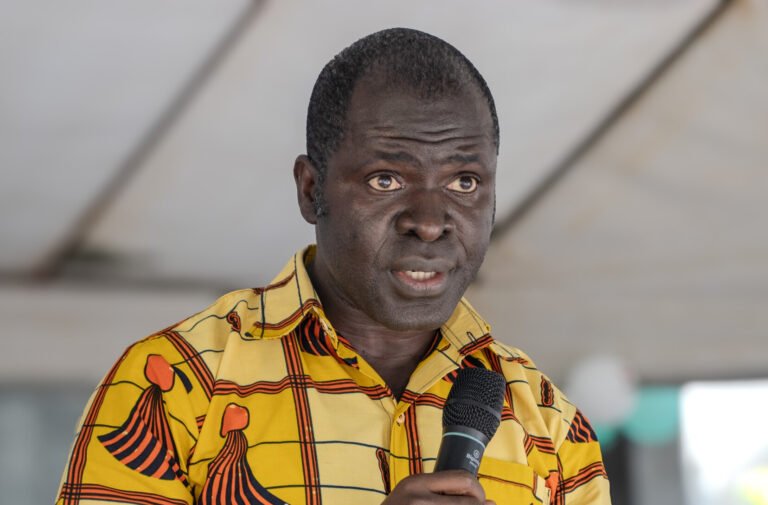
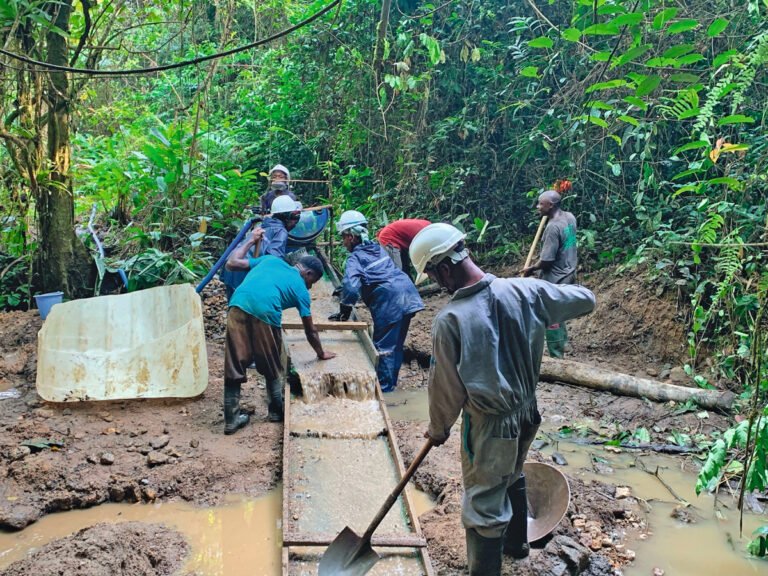
Andrew Zeleman, Chairperson of the National Union of Community Forest Management Bodies, shared a powerful example of a successful community conservation project in Liberia. He spoke openly about the struggles local communities face when trying to access climate financing, often due to administrative barriers and limited institutional support.
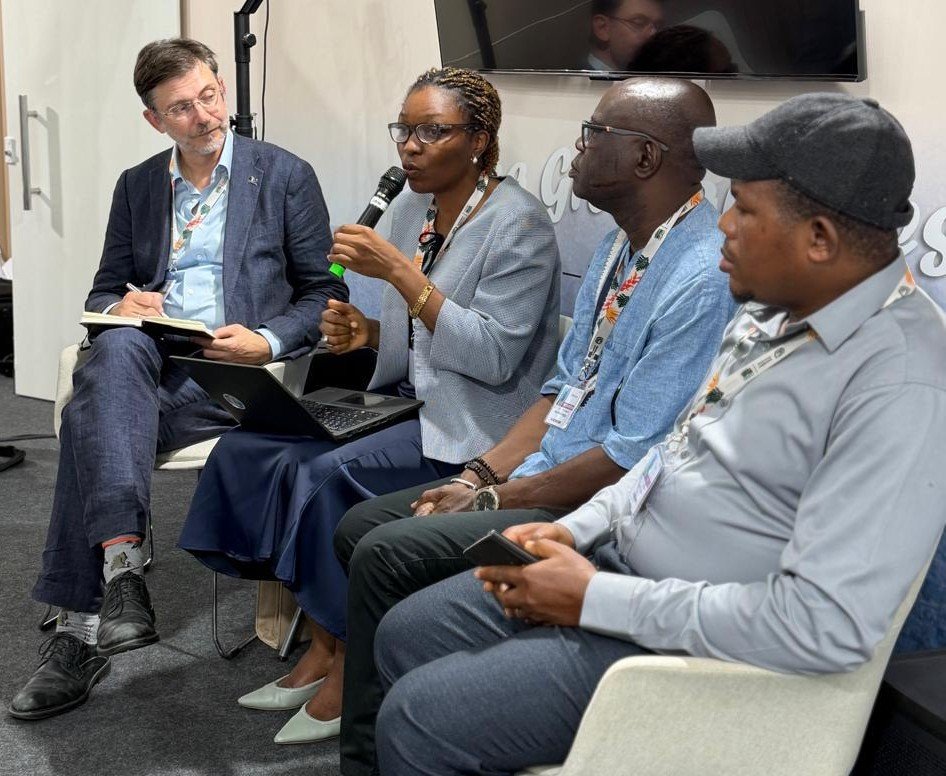
Finance expert Damiano Borgogno from the United Nations Capital Development Fund discussed how financial tools can be tailored to support community-driven conservation. He explained how blended finance, green bonds, and payments for ecosystem services (PES) can mobilize investment into nature-based solutions that directly benefit local people.
Delivering the keynote, Martin Harper, Chief Executive Officer of BirdLife International, said community leadership must be at the center of conservation strategies if the world hopes to confront the climate and biodiversity emergencies. He highlighted BirdLife’s collaboration with SCNL as a model partnership where knowledge, resources, and commitment are aligned around local ownership.
Harper praised SCNL’s continued commitment, noting that partnerships grounded in community voices offer the strongest chance of success.
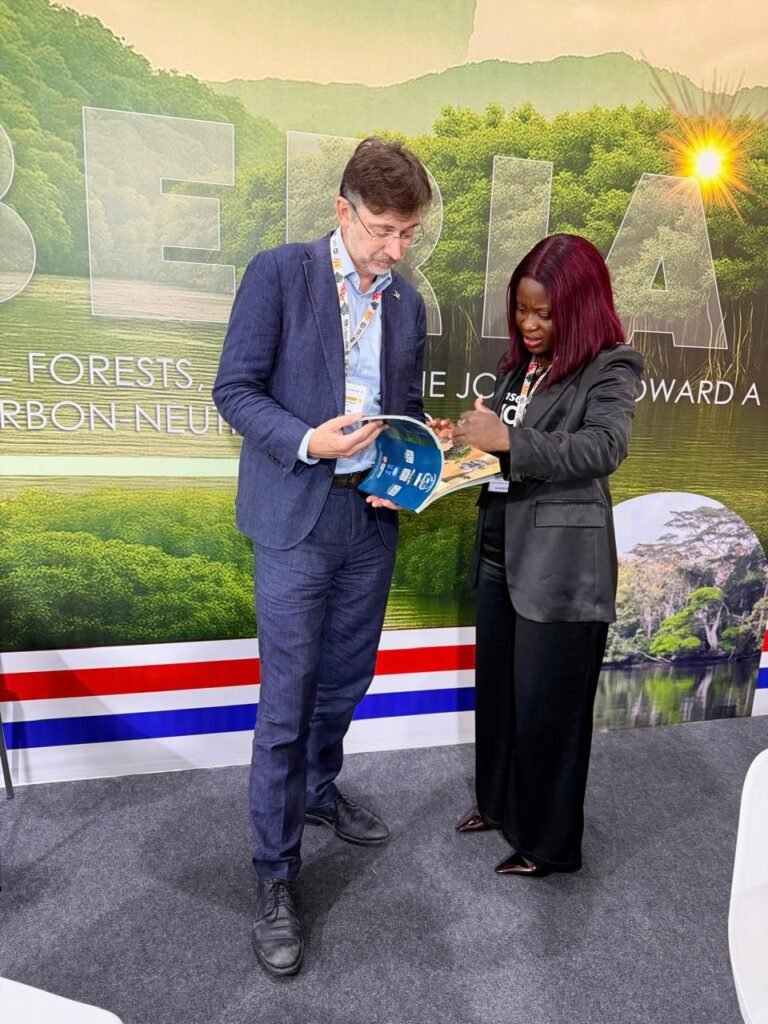
Hon. Nora Bowier, Deputy Managing Director for Communities, Conservation and Carbon at the Forestry Development Authority, said Liberia must ensure community-led conservation is integrated into national planning frameworks to avoid fragmentation and duplication. She stressed the value of long-term engagement with rural populations.
The discussion was moderated by Sylvia Diamond Dorbor, Sustainable Finance Coordinator and Technical Lead for the Guinean Forests Integrated Program, who also leads SCNL’s Liberia Child Project. She pointed to the urgent need for financial models that empower communities not just to participate, but to lead. She called for stronger policy support, increased financing access, and more targeted capacity building.
“As the climate and biodiversity crises grow more severe, we cannot underestimate how crucial community leadership is,” Dorbor stated.
The session concluded with a collective call for deeper collaboration between governments, NGOs, financial institutions, and local communities.
Its core message was clear: communities are not beneficiaries in conservation, they are leaders, stewards, and innovators.
Editor’s Note:
Community-led conservation has become a defining theme at global climate conferences. As Liberia positions itself within this new era of climate finance, local voices and grassroots leadership are increasingly critical. This report highlights Liberia’s presence on the COP30 stage through SCNL’s advocacy for community ownership and financial empowerment.
About the Author