
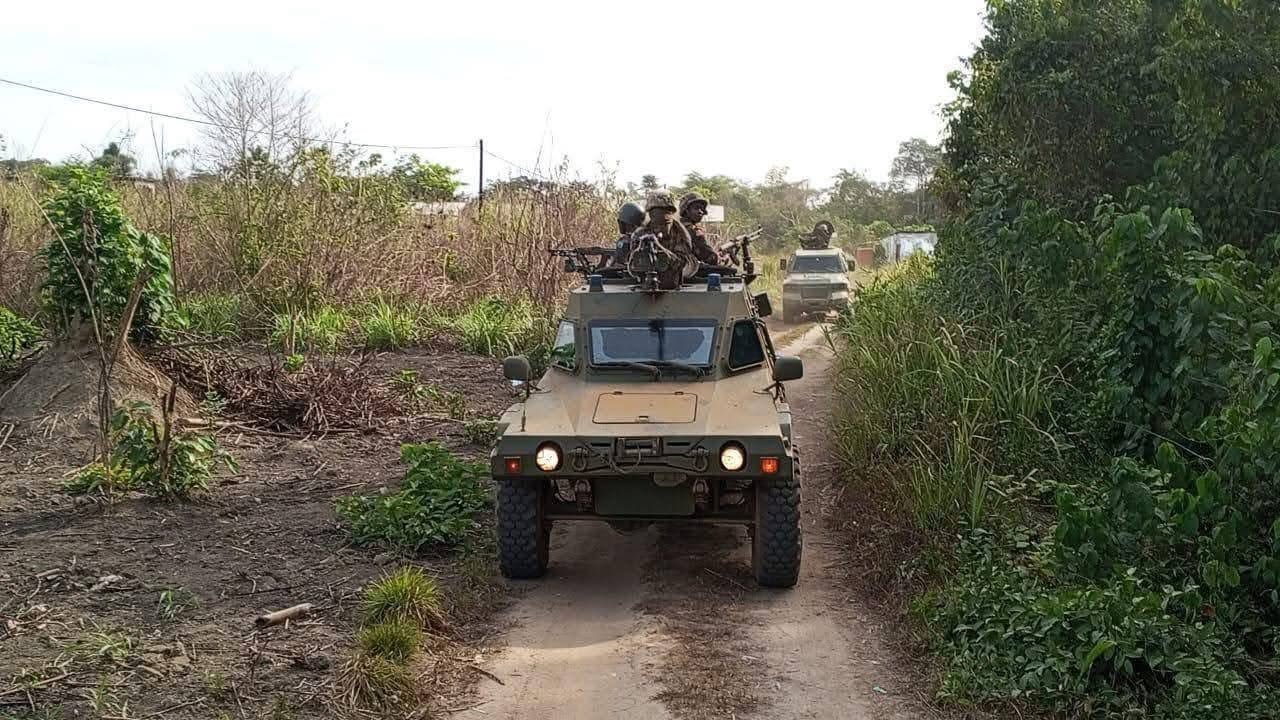
Even as Liberia’s government points to diplomacy and regional cooperation following the Mano River Union summit in Conakry, developments along the border suggest the crisis may not be as settled as officials portray.
At the center of the unfolding situation is not just the presence of Guinean troops or the movement of civilians, but a more fundamental issue: the absence of a clear explanation from the Liberian government about what triggered the confrontation in the first place.
That silence is now shaping the narrative.
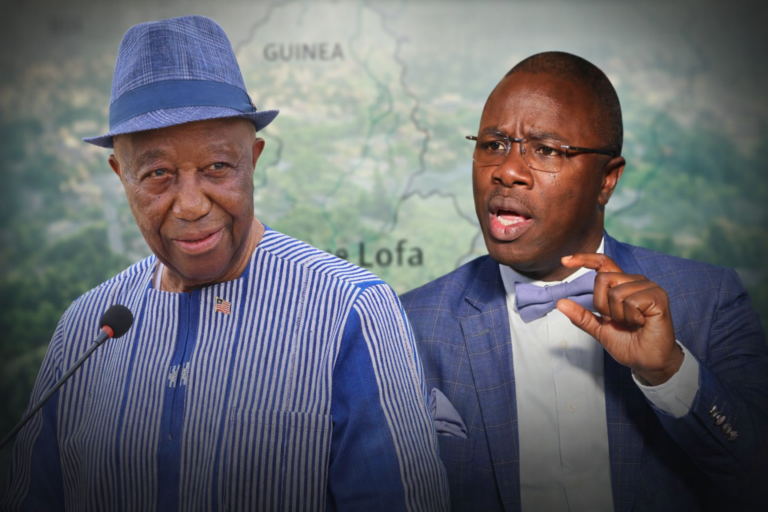
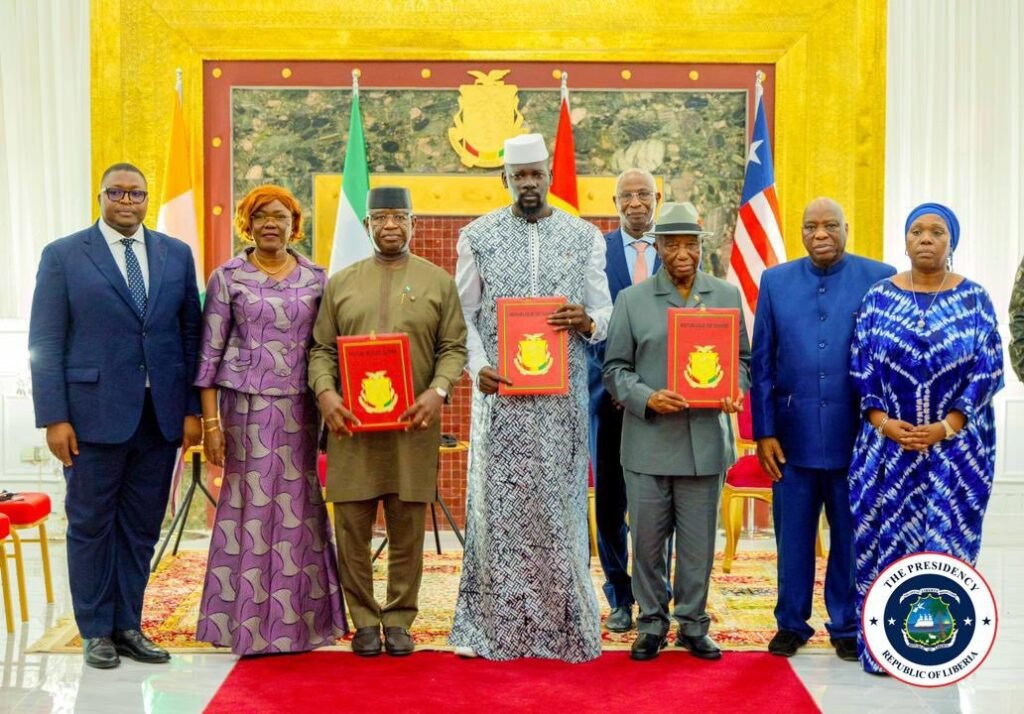
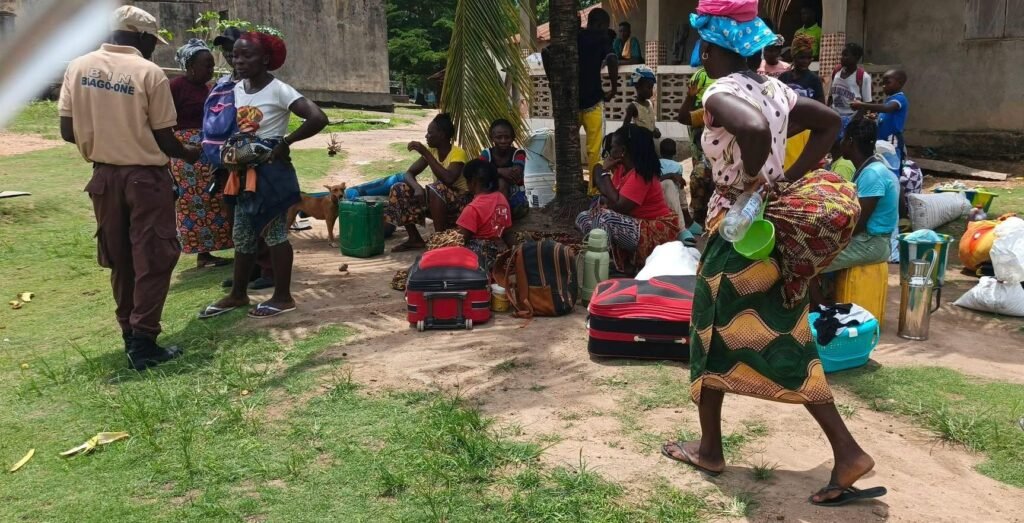
In recent days, video footage has shown civilians leaving communities near the Makona River, some carrying belongings on their heads in scenes reminiscent of Liberia’s civil war. The images emerged shortly after regional leaders, including Joseph Nyuma Boakai, Mamadi Doumbouya, and Julius Maada Bio, signed a communiqué committing to a peaceful resolution and the maintenance of the status quo along the border.
Yet on the ground, that status quo appears contested.
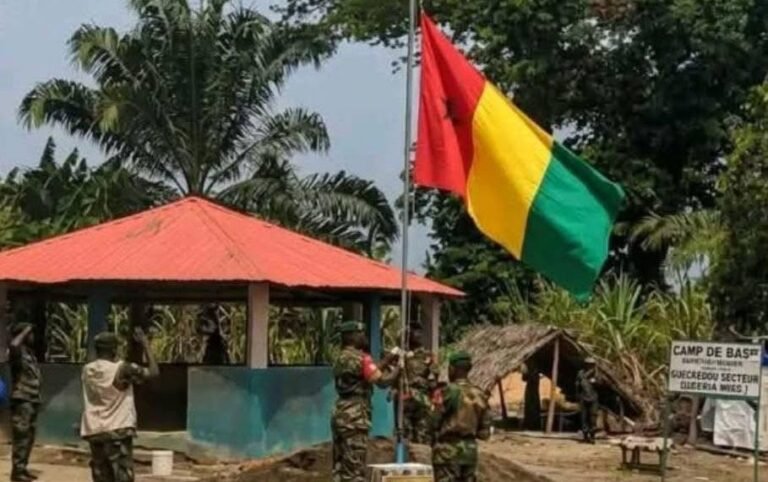
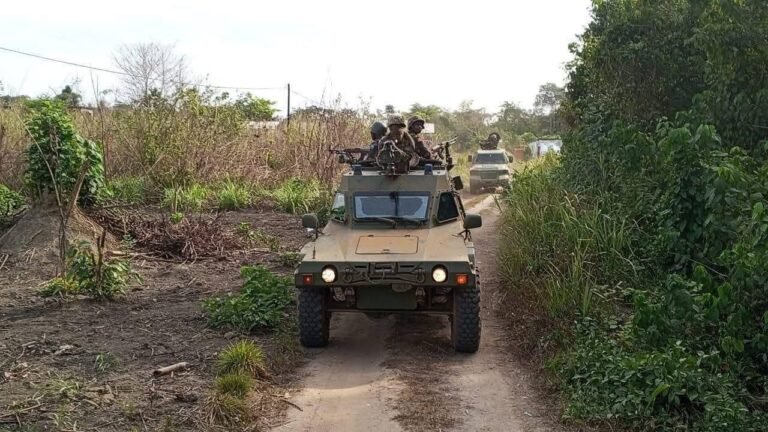
Reports indicate that Guinean soldiers have been seen in Liberian territory in combat regalia following the summit, an image that sits uneasily alongside the language of de-escalation and restraint contained in the agreement.
While there are no confirmed reports of active fighting, the continued military presence has heightened anxiety among residents and raised questions about how quickly, or whether, the terms of the agreement are being implemented.
But beyond troop movements, a deeper question is emerging.
What exactly was happening at the Makona River before the crisis began?
A Guinean field commander, speaking to journalists at the border, offered a perspective that has since gained attention. He said his troops had no issue withdrawing but could only do so on orders from higher authorities. He then questioned why Liberians would “find something on the land” and not present or declare it, an apparent reference to activity taking place in the disputed area.
His remarks point toward a possible resource-related trigger, aligning with earlier reports that a sand dredging operation linked to road construction near Foya may have sparked the confrontation after Guinean authorities claimed the activity crossed into their territory.
The Liberian government, however, has not publicly addressed this aspect of the crisis in detail.
That omission is now proving significant.
Opposition politician Jefferson Tamba Koijee has alleged that the dredging operation may be linked to Minister Francis Sakila Nyumalin, suggesting that the activity could have been conducted improperly and possibly within Guinean territory.
There is no verified evidence confirming the claim. But in the absence of a clear government explanation of the root cause, the allegation is gaining traction among some members of the public.
The minister has declined to comment.
In Liberia’s political environment, where perception often fills the gap left by silence, that refusal has only intensified scrutiny.
Analysts say the government’s decision to focus on diplomacy while avoiding specifics about the initial trigger may be contributing to growing public doubt.
Liberian commentator Varnetta Johnson Freeman, in a recent reflection, welcomed the peaceful outcome but warned against overlooking the underlying issues. She noted that the crisis required emergency military deployment and diplomatic engagement, costs ultimately borne by the Liberian people, and argued that citizens deserve to know what led to the situation.
She raised key questions about the legal status of the disputed land, the role of mining activity, and the ownership of the equipment reportedly seized during the confrontation, stressing that such inquiries are matters of civic responsibility, not political attack.
For now, the situation along the border remains tense but not openly confrontational.
Guinean troops are reportedly present. Civilians are moving cautiously. Governments are speaking diplomatically.
But the central issue, what triggered the crisis, remains unresolved in the public domain.
And until that question is clearly answered, the peace declared in Conakry may remain, for many, incomplete.
About the Author