
As the world marks World Ozone Day, Liberia’s Environmental Protection Agency (EPA) joined 192 other nations in a unified call: protect the fragile layer in our atmosphere that shields life from the sun’s most dangerous rays.
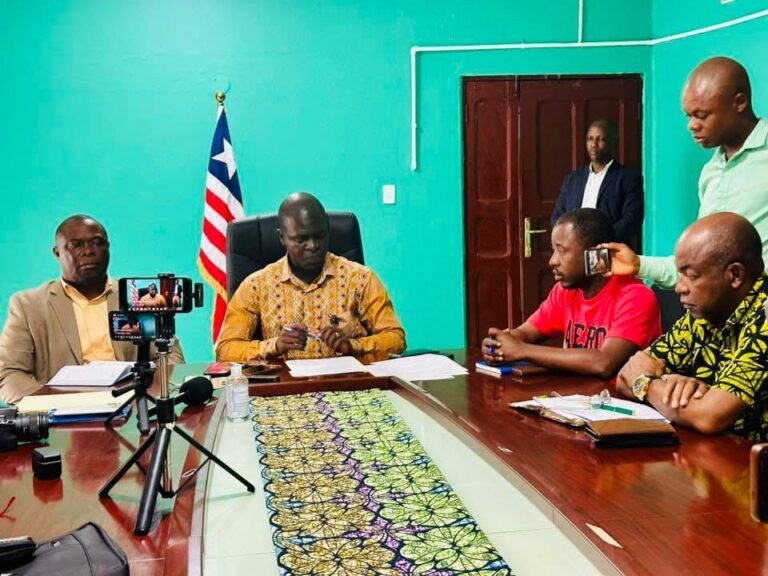
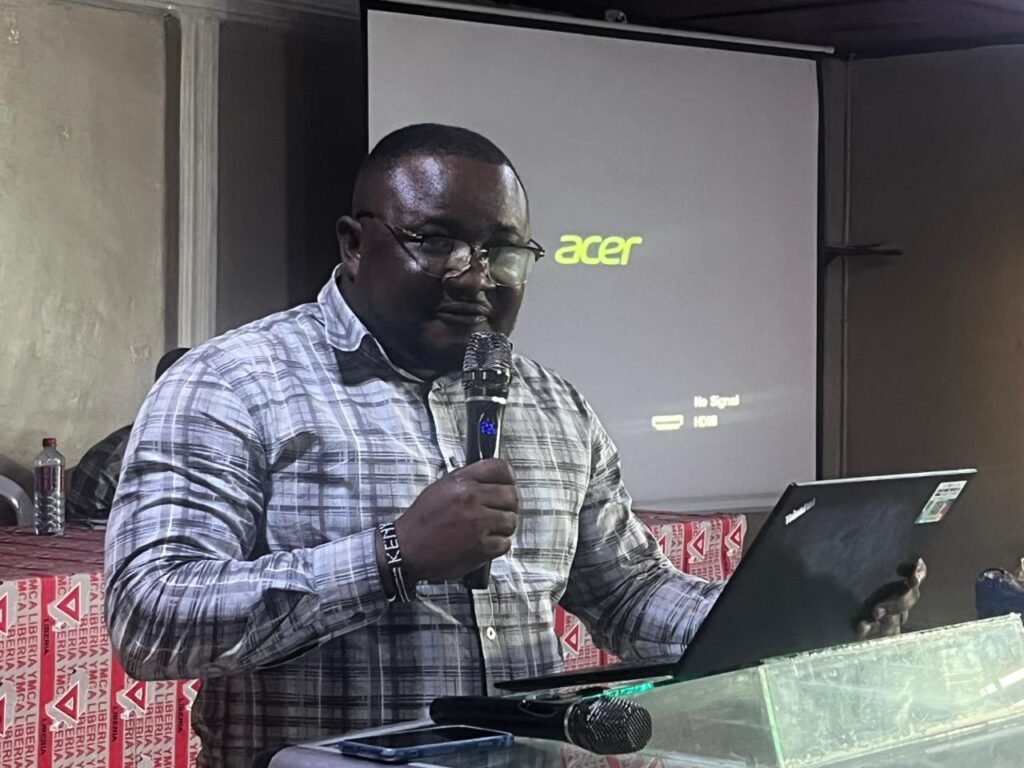
Speaking on behalf of EPA Deputy Executive Director, Christopher Kabah, the Planning and Policy Director at the EPA delivered a keynote address reminding citizens that the ozone layer is not an abstract scientific concept; it is humanity’s first line of defense against ultraviolet (UV) radiation, which can cause skin cancer, cataracts, and ecosystem damage.
“Every time we choose safer alternatives, raise awareness in our community, and teach our children environmental values, we strengthen the shield that protects us from the sun’s rays,” the official stated.
A Global Agreement, Local Action
The keynote highlighted the Montreal Protocol, the 1987 international treaty that has become a global model for environmental cooperation. The agreement has helped phase out ozone-depleting substances like chlorofluorocarbons (CFCs), and global monitoring now shows encouraging signs of ozone recovery.
In Liberia, the EPA has taken local action to match global ambition; by regulating harmful chemicals, bolstering surveillance systems, and conducting public awareness campaigns in both urban and rural communities.
From Science to the Streets: Empowering the Next Generation
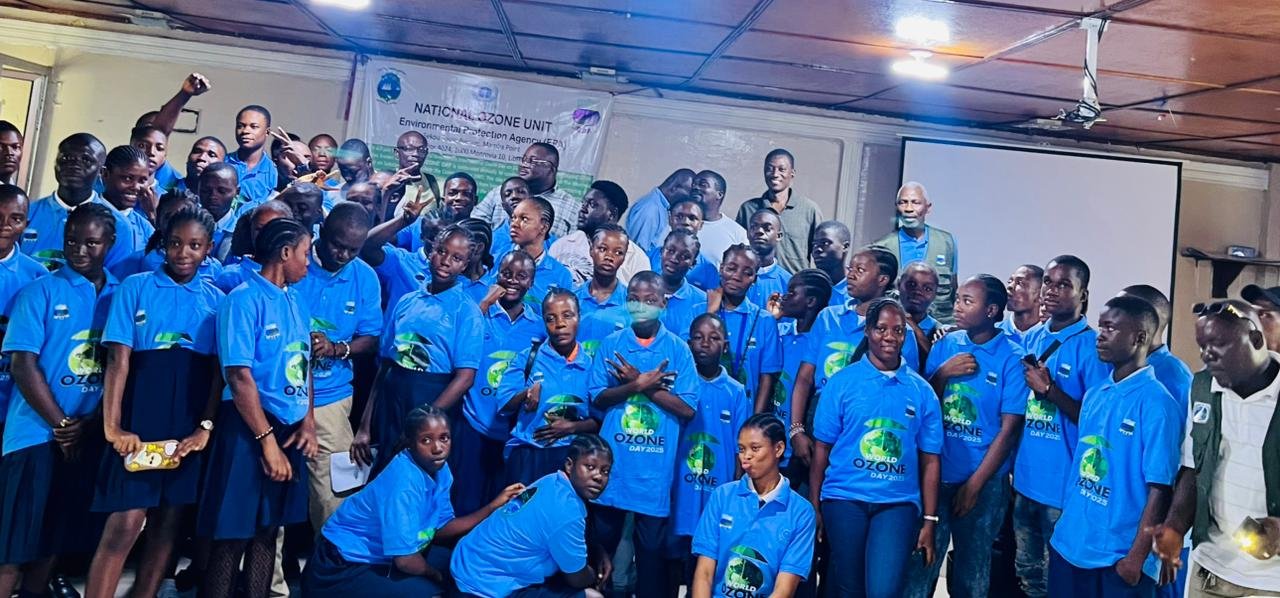
EPA Ozone Officer Sete F. Marshall detailed a series of grassroots programs marking this year’s World Ozone Day. These include:
- Educational campaigns in schools and communities to explain what the ozone layer is and why it matters.
- Sustainable practices, such as encouraging the use of eco-friendly refrigerants and aerosol alternatives.
- Interactive events and workshops to help students understand concepts like the “ozone gap,” the chemistry of ozone depletion, and emerging topics like ozone therapy.
Marshall was unflinching in his warning to students about the real-world consequences of neglect.
“Do not be a fool and forget about your own health. The UV rays will not forget about you,” he said, urging young Liberians to become ambassadors of environmental health.
Ozone & Equity: A Gendered Impact
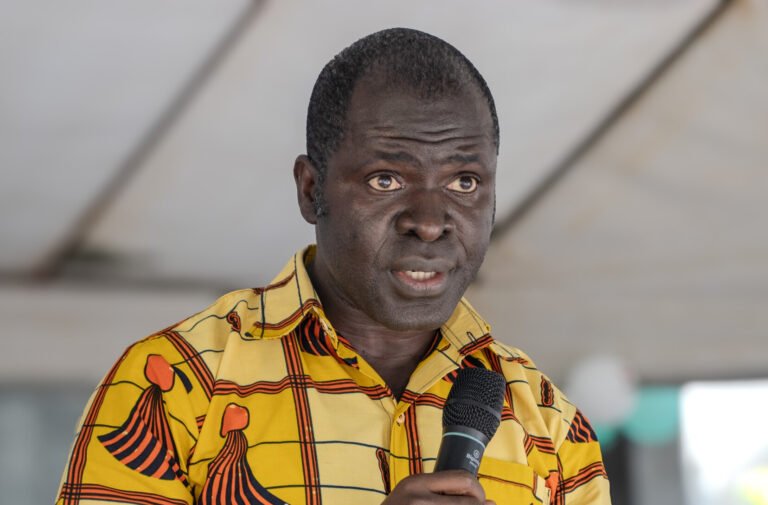
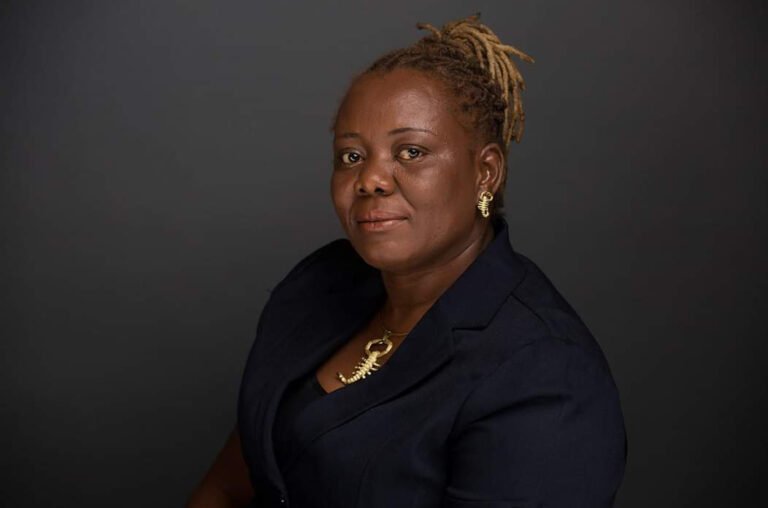
Grace Biah, EPA’s Gender Coordinator, added a crucial dimension; explaining how women, particularly in under-resourced communities, are disproportionately affected by ozone-related health challenges. She emphasized that gender-sensitive education and outreach are essential to ensuring everyone plays a role in environmental protection.
An Ongoing Experiment in Global Cooperation
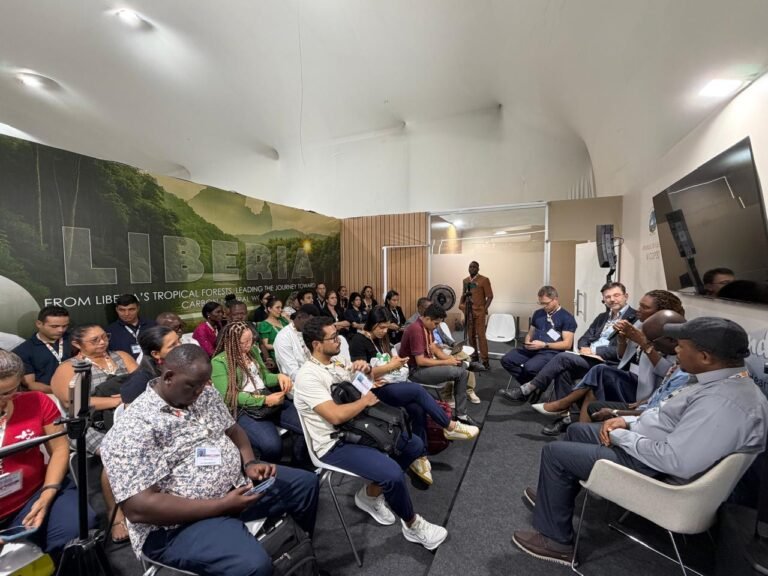
The event closed with teachers praising the EPA for translating complex environmental science into practical knowledge for students. From ozone chemistry to international diplomacy, Liberia’s celebration of World Ozone Day served as a microcosm of a larger truth:
When science and policy meet people where they are: in their classrooms, homes, and communities; real change becomes not just possible, but inevitable.
As the planet inches toward ozone recovery, the EPA’s message was clear: the job isn’t done. It’s now up to all Liberians; especially the next generation, to finish what the Montreal Protocol started.
About the Author