
Monrovia: The National Port Authority has unveiled a sweeping five-year strategy valued at 550 million US dollars, marking one of the most ambitious attempts yet to modernize Liberia’s port infrastructure and strengthen its role in regional trade.
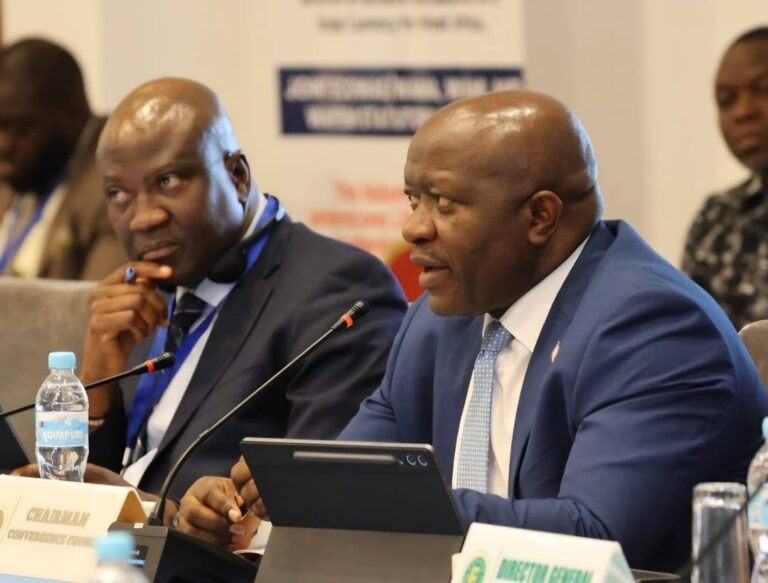
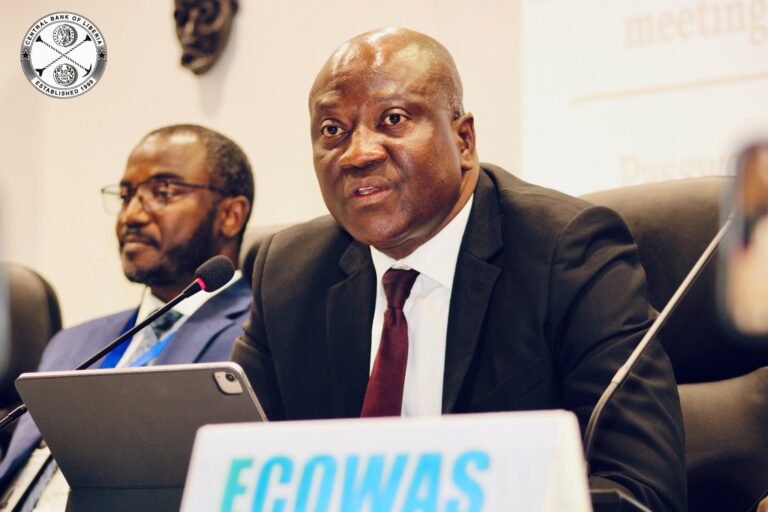
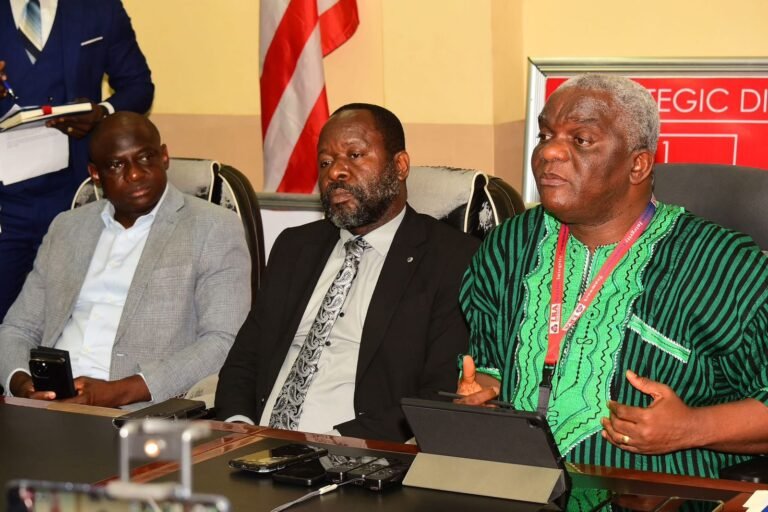
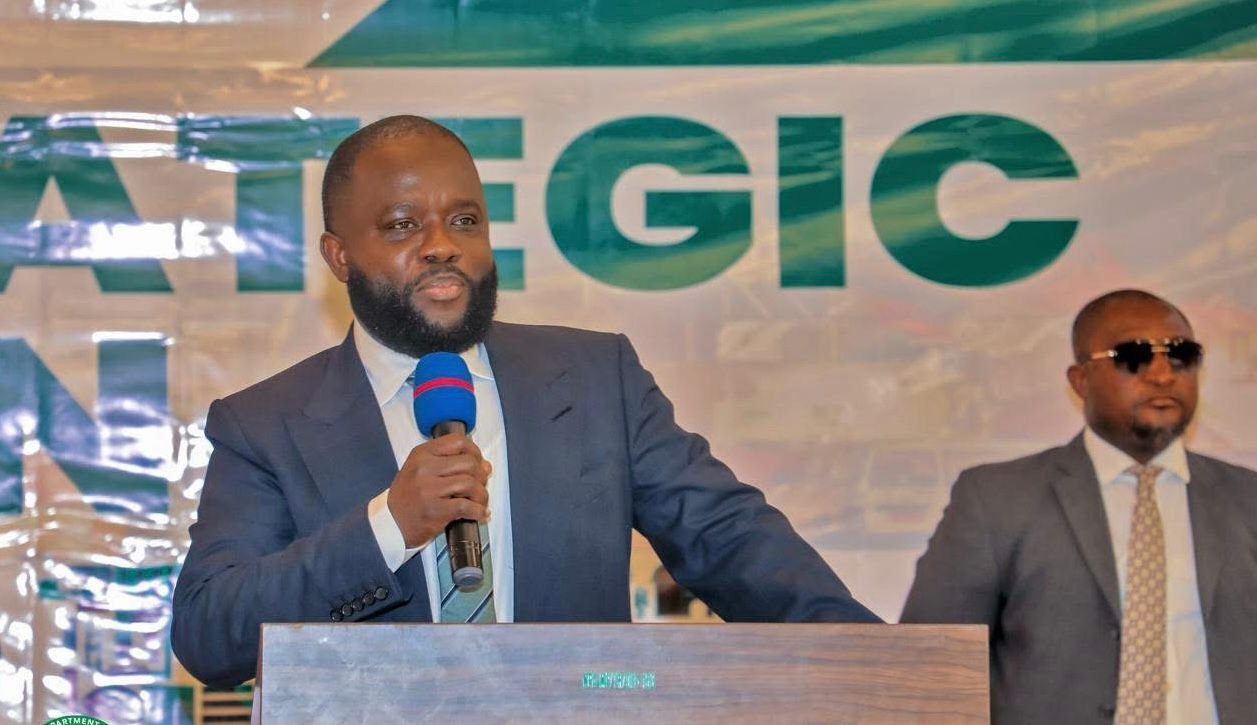
The plan, announced Monday at the Ellen Johnson Sirleaf Ministerial Complex in Congo Town, sets a new tone for the nation’s maritime sector. Managing Director Sekou A. M. Dukuly did not mince words as he described the shift underway.
“For years our ports were viewed simply as revenue collection points,” he said. “Today we turn the page. Our ports will now serve as engines of trade, growth, and national development.”
A New Vision for Liberia’s Maritime Future
The Strategic Plan lays out a blueprint anchored on four major pillars: modern infrastructure, improved governance, greater operational efficiency, and diversified financial growth. The goal is to position Liberia as a competitive maritime hub in West Africa and unlock wider economic opportunities.
Central to the strategy is a reform model called RESET, designed to overhaul outdated systems, digitize port operations, develop a skilled workforce, and build a financially self-sustaining authority. Dukuly said the initiative reflects a mindset shift from maintaining the ports to transforming them.
He highlighted plans to establish inland terminals that would ease pressure at the Freeport of Monrovia, facilitate smoother trade routes, and attract more cross-border business. “We are creating an environment where Liberia becomes a preferred corridor for trade and investment,” he noted.
Financing Growth Through Local Strength
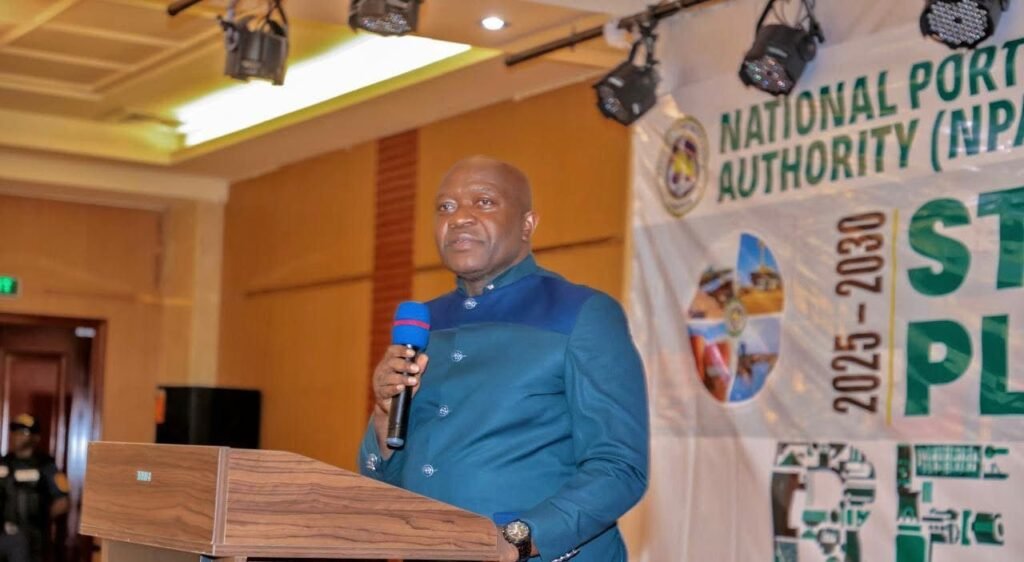
A key component of the plan is the creation of a Port Infrastructure Investment Fund. The NPA will contribute 15 to 20 percent of its annual revenue to support expansion and modernization projects. This approach, Dukuly emphasized, demonstrates commitment to long-term growth without over-reliance on external borrowing.
The strategy also prioritizes empowering local consultants and experts, ensuring Liberian institutions benefit directly from the transformation process.
Aligned With National Development Goals
Finance and Development Planning Minister Augustine Kpehe Ngafuan praised the initiative and urged full implementation, describing it as a vital catalyst for economic progress. He noted that the plan aligns strongly with President Joseph Nyuma Boakai’s ARREST Agenda, particularly its focus on reform, transparency, and sustainable economic development.
“More efficient and transparent ports translate into lower service costs, faster turnaround times, and relief for ordinary Liberians facing daily bread-and-butter challenges,” Ngafuan stated.
A Turning Point for Liberia’s Economy
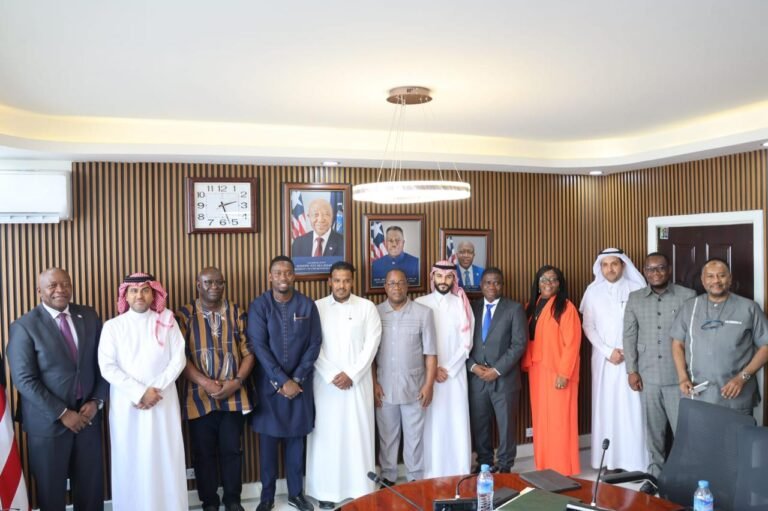
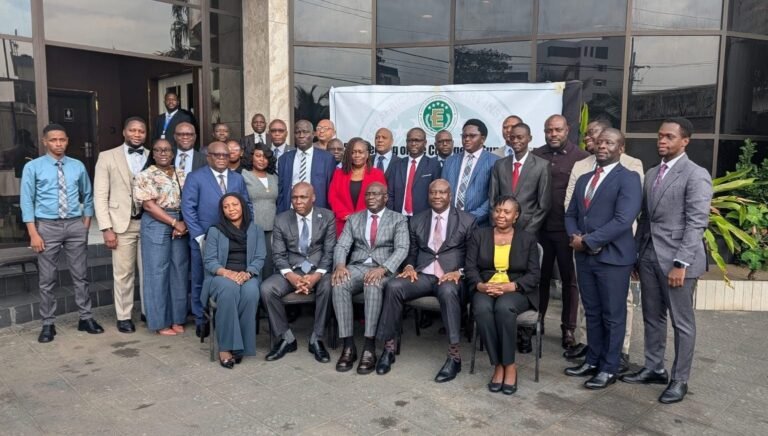
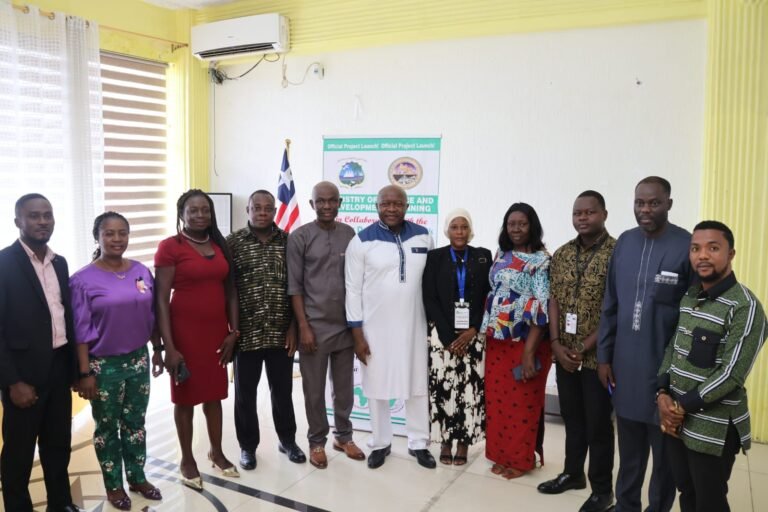
The launch drew senior officials, lawmakers, development partners, private-sector representatives, and media institutions. Many hailed the blueprint as a defining moment for Liberia’s economic rebuild.
If executed successfully, the plan could reshape Liberia’s regional trade footprint, stimulate private-sector growth, and create thousands of jobs. For Liberia’s ports, once seen only as gateways for imports, the vision is clear: become a modern logistics powerhouse driving prosperity nationwide.
“We stand ready to partner locally and internationally to build a stronger, more competitive port system,” Dukuly reaffirmed. “This is about Liberia’s future.”
Editor’s Note
Liberia’s ports sit at the heart of the nation’s economic future. The NPA’s new five-year plan comes as the country pushes to boost trade, attract investment, and modernize key systems under President Joseph Boakai’s ARREST Agenda — Agriculture, Roads, Rule of Law, Education, Sanitation, and Tourism. Modern ports directly support Liberia’s road network, agricultural exports, and future tourism growth. With this plan, Liberia is signaling a serious shift toward efficiency, transparency, and long-term economic expansion. The success of this port reform will play a major role in shaping Liberia’s growth and opportunities for its people.
About the Author