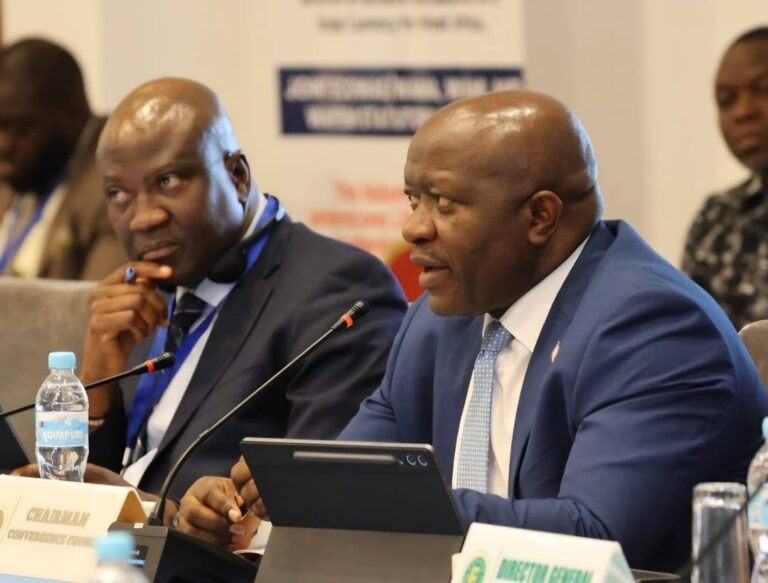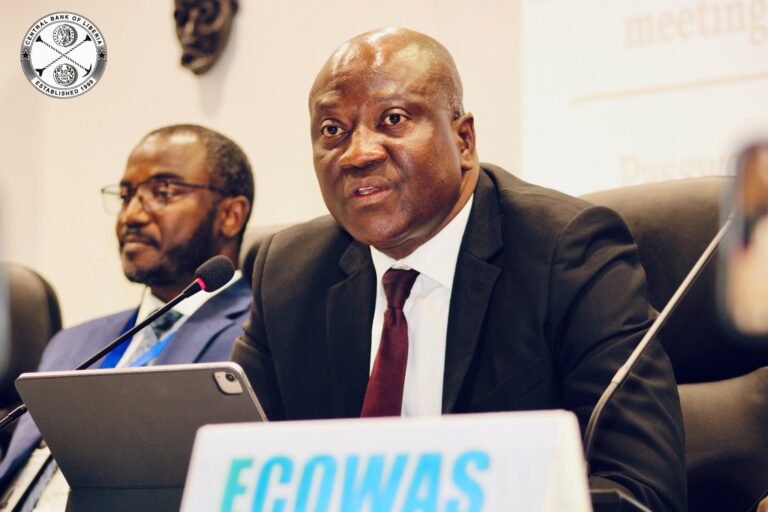

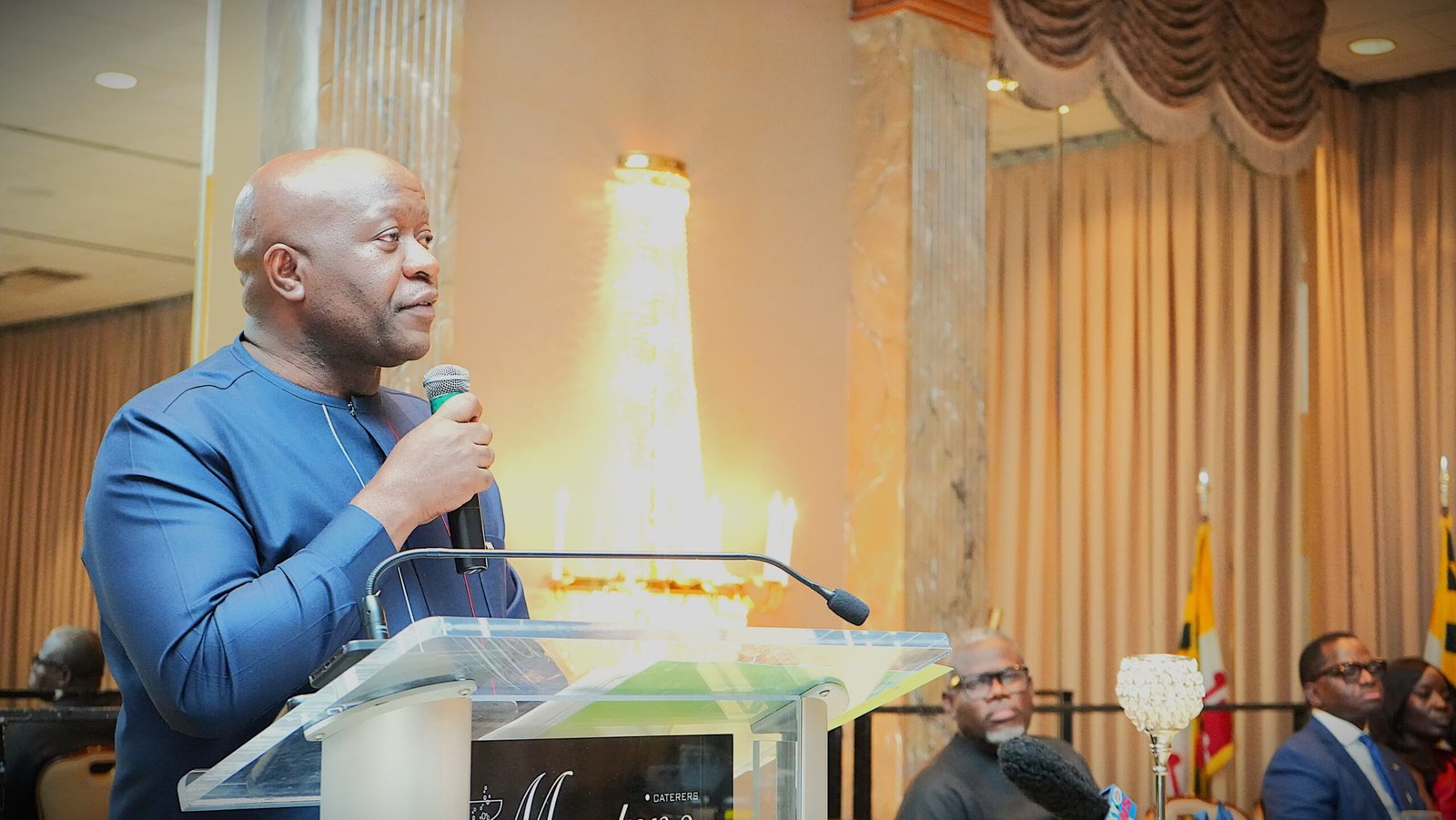
Greenbelt, Maryland: Liberia’s Minister of Finance and Development Planning, Augustine Kpehe Ngafuan, has announced decisive measures to settle long-standing government debts owed to private media institutions, a move he described as essential to protecting press freedom and strengthening the country’s democratic space.
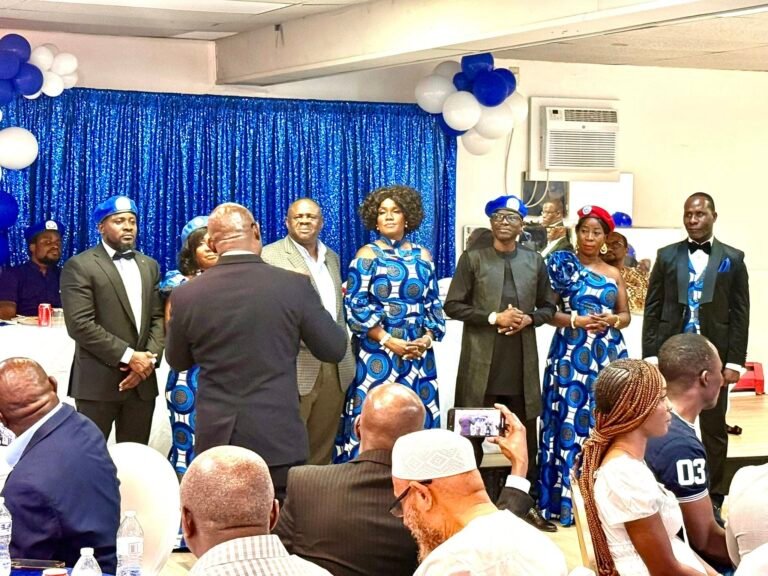
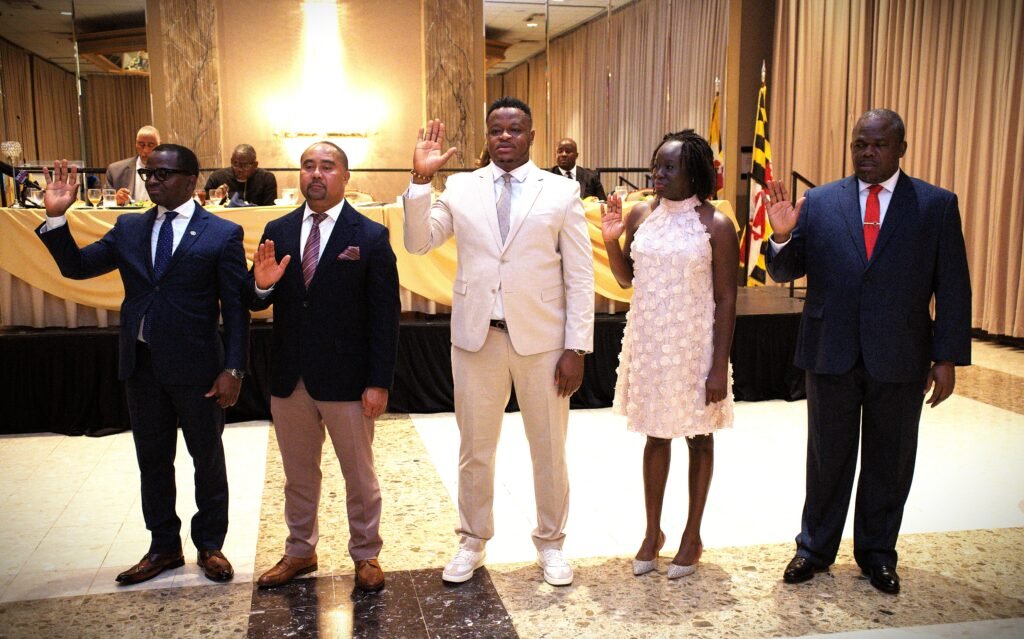
Speaking at the 13th National Convention of the Association of Liberian Journalists in the Americas (ALJA), Ngafuan outlined plans to fast-track payments to media entities, introduce internal reforms, and strengthen collaboration with journalists in the face of an evolving digital media environment.
“The independent media is not just a watchdog of society; it is also a vital player in the private sector,” Ngafuan said. “For the media to thrive and attract private investment, it must first be empowered to survive.”
Settling Long-Overdue Debts
The Finance Minister confirmed that the government has begun paying a portion of verified debts owed to media houses, following audits conducted by the General Auditing Commission (GAC). For years, media institutions have complained about delayed government payments, which have often forced some outlets to slash staff, cut coverage, or shut down entirely.
Liberia’s media industry employs over 1,500 people nationwide, including reporters, editors, camera operators, and support staff. According to figures from the Press Union of Liberia, at least 20 private outlets have either downsized or gone dormant over the last five years due to financial constraints; many linked to unpaid government advertising contracts.
Ngafuan acknowledged this challenge and said he has instructed the Ministry’s Communications Unit to work directly with media institutions to compile and process outstanding claims without unnecessary bureaucratic hurdles.
“Delayed payments do not just hurt media houses financially; they threaten editorial independence,” he warned. “When a media outlet can’t pay its staff or cover operational costs, its integrity is at risk.”
He added that new internal reforms would streamline payment reviews, especially for small businesses and media entities often sidelined by red tape and corruption.
Media in the Digital Age: A New Reality
Ngafuan also addressed the shifting information ecosystem in Liberia, where traditional newsrooms now compete with citizen journalists, influencers, bloggers, and AI-generated content.
“The media landscape is shifting. Non-traditional actors now hold significant influence, often beyond the reach of professional ethical frameworks,” he noted.
While acknowledging the disruptive nature of these new voices, he urged the Press Union of Liberia (PUL), ALJA, and other professional bodies to adapt rather than resist the change. He called for targeted training programs, digital media literacy initiatives, and capacity building to maintain ethical standards across both traditional and emerging platforms.
“Whether certified or not, many of these individuals are shaping public opinion. Bringing them into the fold benefits us all,” he said.
Liberia currently has an estimated 3 million internet users, with more than half accessing news primarily through social media. Analysts warn that while this creates opportunities for citizen engagement, it also heightens the risk of misinformation and political manipulation.
“Independence Does Not Mean Being Anti-Government”
Ngafuan delivered a pointed message on media ethics and responsibility, criticizing selective reporting practices by some self-proclaimed “independent” outlets that, he said, only highlight negative narratives about the government.
“Your patriotic duty is to report the bad, yes; but also the good,” Ngafuan emphasized. “Independence does not mean you must always be anti-government.”
He applauded media entities that are transparent about their editorial leanings, arguing that honesty builds public trust, even in partisan spaces. But he cautioned against outlets that present themselves as objective while pushing hidden agendas.
“It is unfair to sell yourself as a white shirt and deliver a black one,” Ngafuan quipped. “The public deserves honesty from both government and media alike.”
Quoting the American journalist Walter Williams, the Minister reminded attendees of their responsibility as “trustees for the public,” emphasizing that truth-telling must remain the foundation of Liberian journalism.
Towards a New Era of Collaboration
As Liberia works to stabilize its economy and rebuild public trust, Ngafuan pledged stronger partnerships between the government and the media sector, built on transparency, accountability, and respect for press freedom.
“Being good trustees, whether in government or in the media; is not just good ethics. It’s good economics,” he said. “To build a better Liberia, we all must do better.”
Analysts say the Minister’s statement comes at a critical time. Liberia’s economy grew by 4.3% in 2024, but inflation and fiscal constraints continue to strain both public and private institutions. By clearing debts and fostering a more predictable environment, the government hopes to strengthen media sustainability and encourage private sector investment.
The ALJA convention gathered journalists, policymakers, and diaspora professionals from across the United States and Liberia to discuss press freedom, economic development, and the role of media in shaping democratic governance.
✅ Editor’s Note: Media sustainability is not just a financial issue; it’s a national security issue. A strong, independent, and ethical press strengthens democracy. Liberia’s next chapter depends on credible storytelling, responsible reporting, and government accountability.
About the Author