
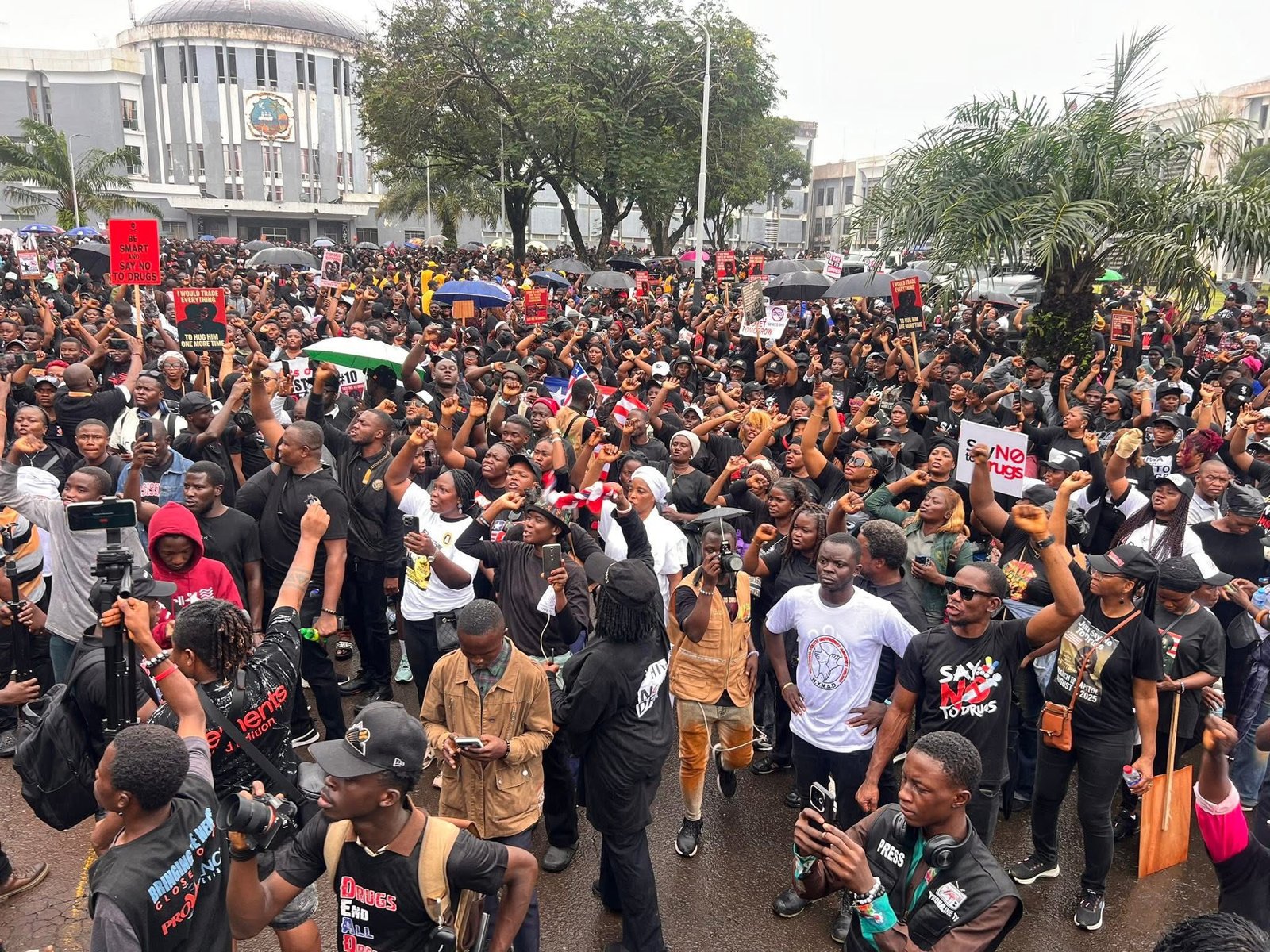
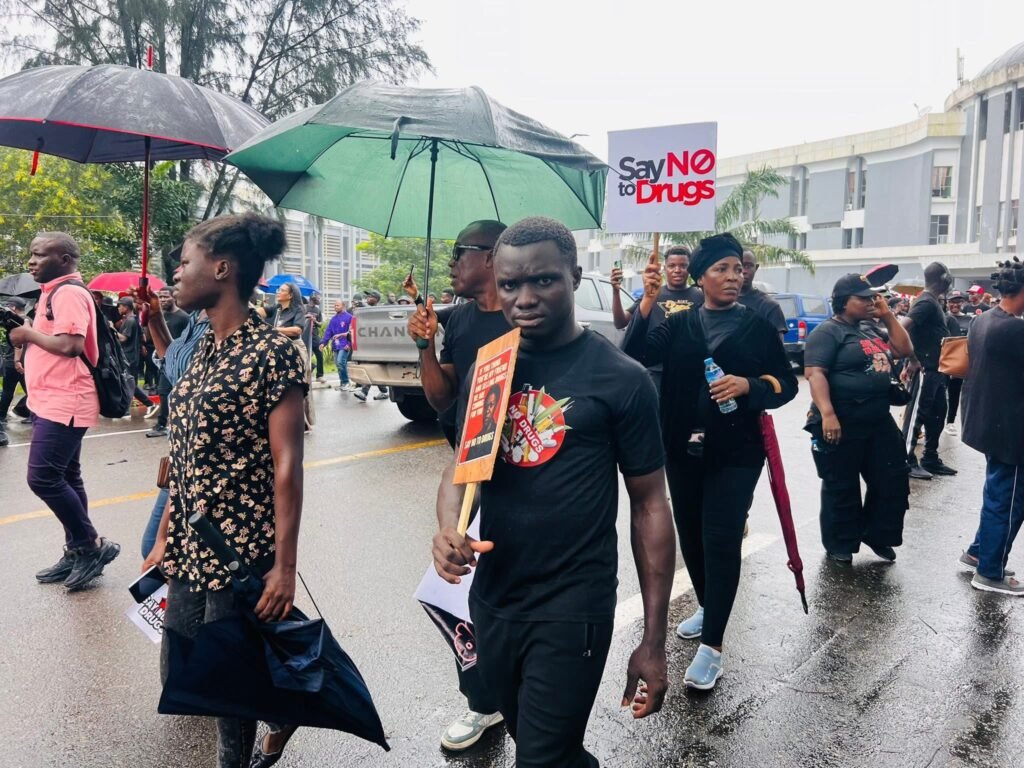
Monrovia, August 7, 2025 – With voices heavy with urgency and banners raised in grief, hundreds of Liberians converged on the grounds of the Capitol Building on Wednesday to demand sweeping action from their government to combat the nation’s escalating drug crisis.
Led by mothers, activists, recovering addicts, religious leaders, and civil society organizations, the peaceful march was a direct appeal to the Liberian House of Representatives and Senate to declare drug abuse a national emergency and mobilize an aggressive, united response.
“Our beloved Liberia is bleeding from within,” the petition read. “We witness parents burying their children from overdoses, while others watch their sons and daughters roam the streets, begging and stealing to feed their addictions. We cannot remain silent.”
According to the Global Action for Sustainable Development (GASD) April 2023 report, more than 100,000 chronic drug users currently reside in and around Monrovia, with over 866 ghettos reportedly operating as hubs for illegal drug activities. The report estimates that 65% of Liberia’s illicit drug consumption occurs in Montserrado County alone.
Calls for a National Anti-Drug Task Force
The petition, submitted to lawmakers by a coalition of civil society groups and concerned citizens, outlines a multi-pronged approach that includes:
- A presidential executive order declaring illicit drugs a national pandemic, akin to the country’s response to Ebola and COVID-19.
- The annual declaration of August 7 as Liberia’s National Anti-Drug Day.
- The formation of a Presidential Anti-Drug Task Force (PADTF) comprising security agencies, civil society organizations, the Liberia National Bar Association, and religious institutions, with the mandate to coordinate enforcement, public education, community task forces, and case follow-up from arrest to prosecution.
- Increased budgetary allocations for at-risk youth programs, which the petition notes were reduced from $915,000 in FY2024 to $500,000 in FY2025.
- Enhanced funding and logistical support for the Liberia Drug Enforcement Agency (LDEA), border patrol, and rehabilitation programs.
Activist Tamba Johnson, Executive Director of He for She Crusaders Liberia, called for a name change from the Liberia Drug Enforcement Agency to the Anti-Drug Enforcement Agency, arguing that a more aggressive label sends a stronger national message.
“’Anti-drug’ shows unified resistance. The current name implies enforcement, but not unity in fighting this war,” Johnson stated.
From Civil War to Civil Society: A Nation’s Reckoning
One of the most powerful voices during the demonstration came from Rev. Joshua Blayee, a former warlord-turned-pastor, who declared his support for firm legal consequences for all offenders — including his own family.
“If my children are caught in this, they must face the law,” Blayee said. “I committed crimes during the war and expect to pay. Today, we thank the mothers who led this peaceful protest to save our children.”
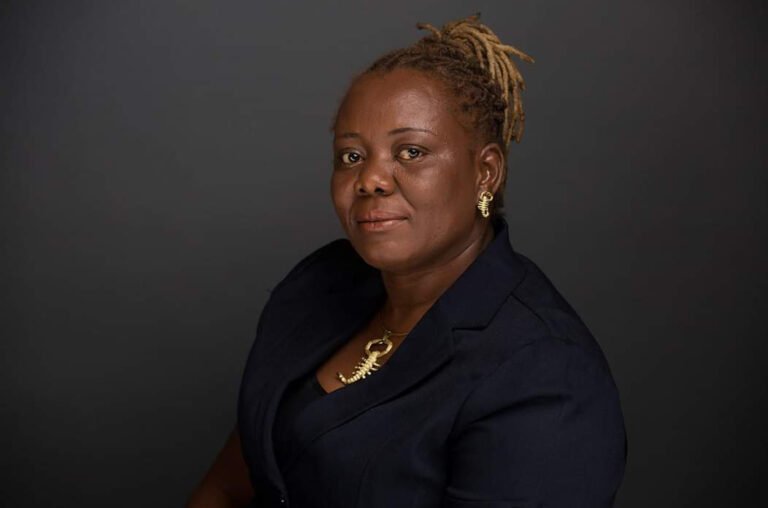
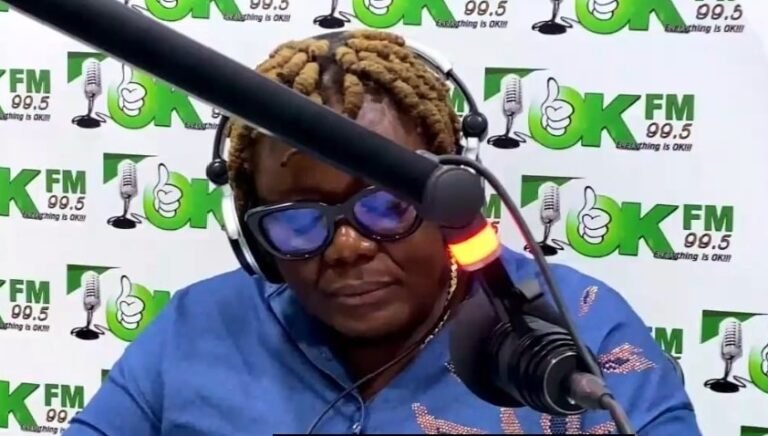
The catalyst for this unprecedented march was a viral livestream by Roseline Armah Giddings, a mother whose emotional plea about her son’s addiction galvanized public outrage. Fighting tears, she described how her son had fallen victim to drugs and was now languishing in South Beach, a notorious detention facility in Monrovia.
“I know other mothers are bringing these drugs in,” Giddings said. “Our children’s futures are being destroyed. We must rise together to stop this.”
The grassroots movement sparked by her cry soon coalesced into the Mothers Against Drugs Taskforce, organized by a group of prominent women, including Sonnie Kollie, Lovetta Sendolo, Cllr. Moriah Yeakula-Korkpor, and others.
Government and International Support
Receiving the petition on behalf of the Legislature, Representative Prince Toles of Electoral District #8 acknowledged the urgency of the crisis.
“This is a national cause. On Monday, we will place this petition on the legislative agenda,” Toles said. “Drugs are killing our youth, and this must now become everyone’s business.”
The movement also garnered support from international allies. Staff members from the U.S. Embassy in Monrovia stood in solidarity with the demonstrators, taking a group photo alongside civil society groups to publicly declare: NO to drugs.
A Presidential Response
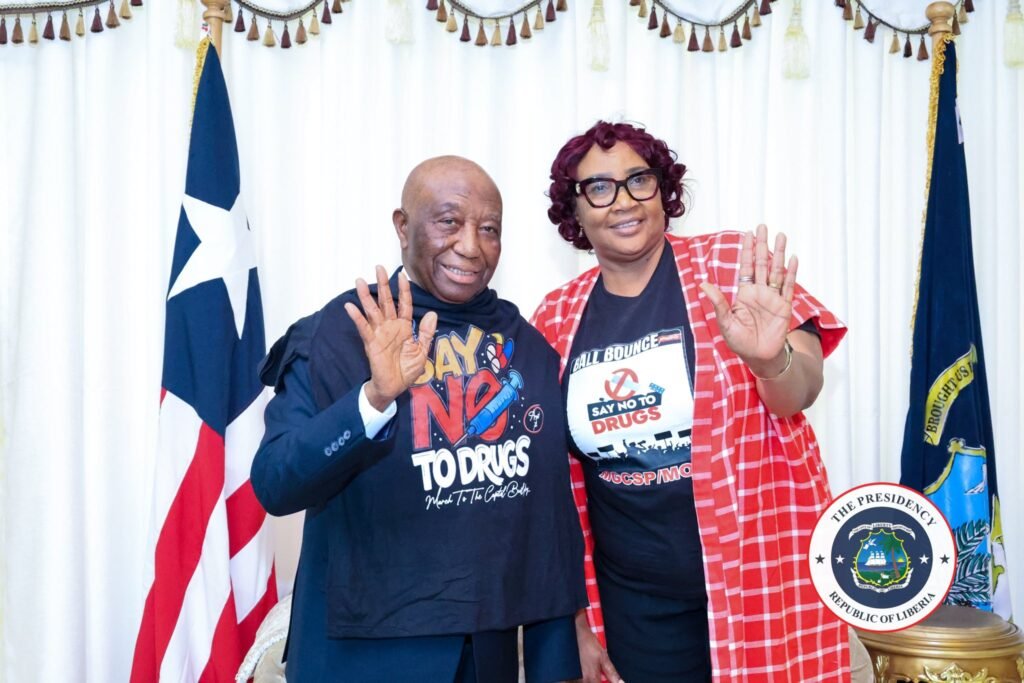
President Joseph Nyuma Boakai Sr. responded swiftly, acknowledging the march and pledging that his administration would not allow Liberia’s youth to be lost to addiction.
“This national emergency demands more than words,” President Boakai said. “It demands bold, sustained, and irreversible action. We have been hard at work in this fight, and we will not relent.”
From Survivor to Advocate
Liberian musical artist Christopher Nyekan, known to fans as Christoph the Change, also spoke at the rally. A recovering drug addict, Nyekan shared his personal testimony.
“I have walked through the darkness of drug abuse,” he said. “But with the support of my family and fans, I stand today not as a victim, but as a survivor.”
A Turning Point?
The movement sparked by a mother’s tears may mark a turning point in Liberia’s fight against drug abuse. As citizens demand accountability, and leaders vow legislative reform, one message is clear: the people of Liberia are no longer willing to wait.
“When mothers rise,” one banner read, “nations change.”
About the Author