
Monrovia, Liberia — Liberia is intensifying its push toward adoption of the planned West African single currency, the Eco, as government officials highlight improving macroeconomic indicators and accelerating economic growth.
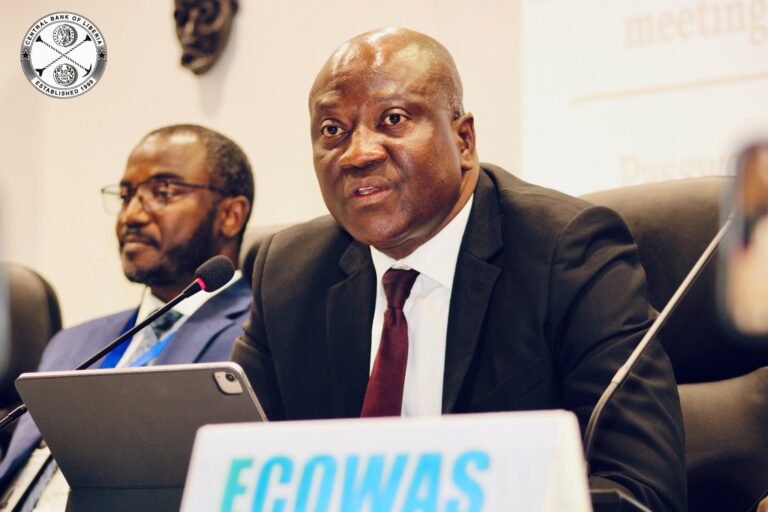
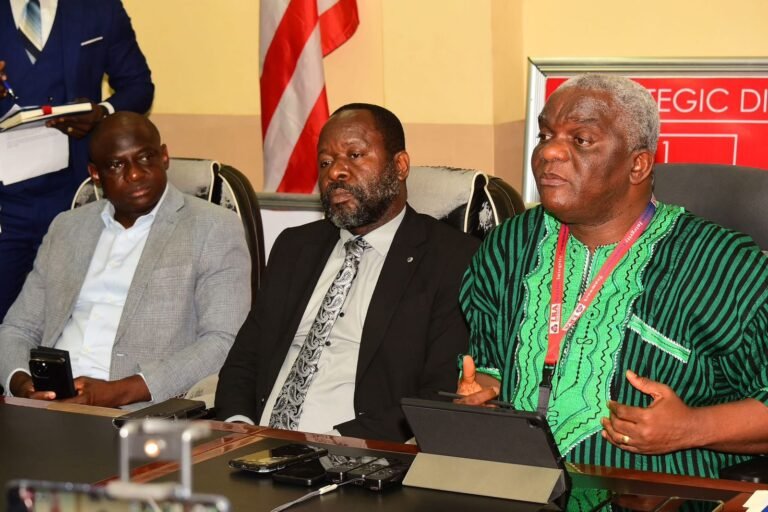
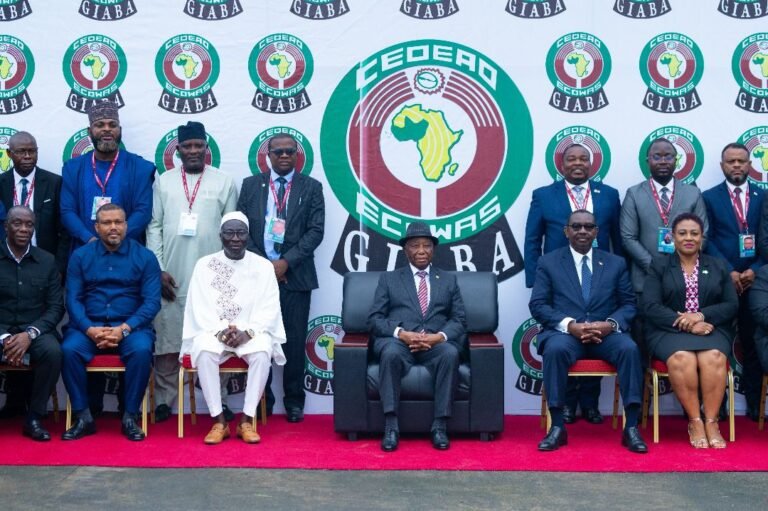
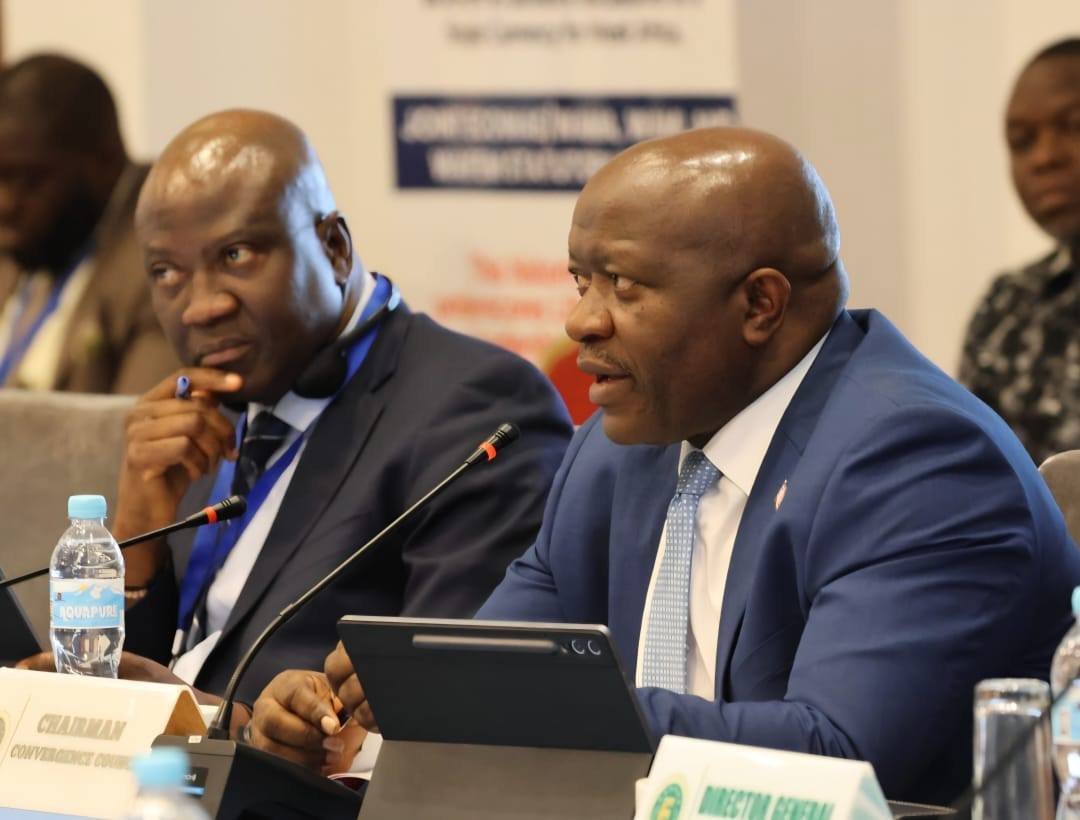
Delivering a keynote address at the closing of the 55th Convergence Council Meeting on February 13, 2026, Finance and Development Planning Minister Augustine Kpehe Ngafuan said Liberia’s economy expanded by an estimated 5.1 percent in 2025, up from 4.0 percent in 2024, signaling strengthening recovery momentum.
The growth surge was largely supported by robust mining output, alongside steady performance in agriculture and the services sector, reinforcing the country’s case for meeting the fiscal and monetary benchmarks required under the ECOWAS convergence framework.
Ngafuan told regional policymakers that the moment demands urgency and coordinated implementation across member states.
“The tide is rising. We no longer have the luxury of drifting. The current demands decisive action, rigorous implementation, and unwavering commitment from every member state.”
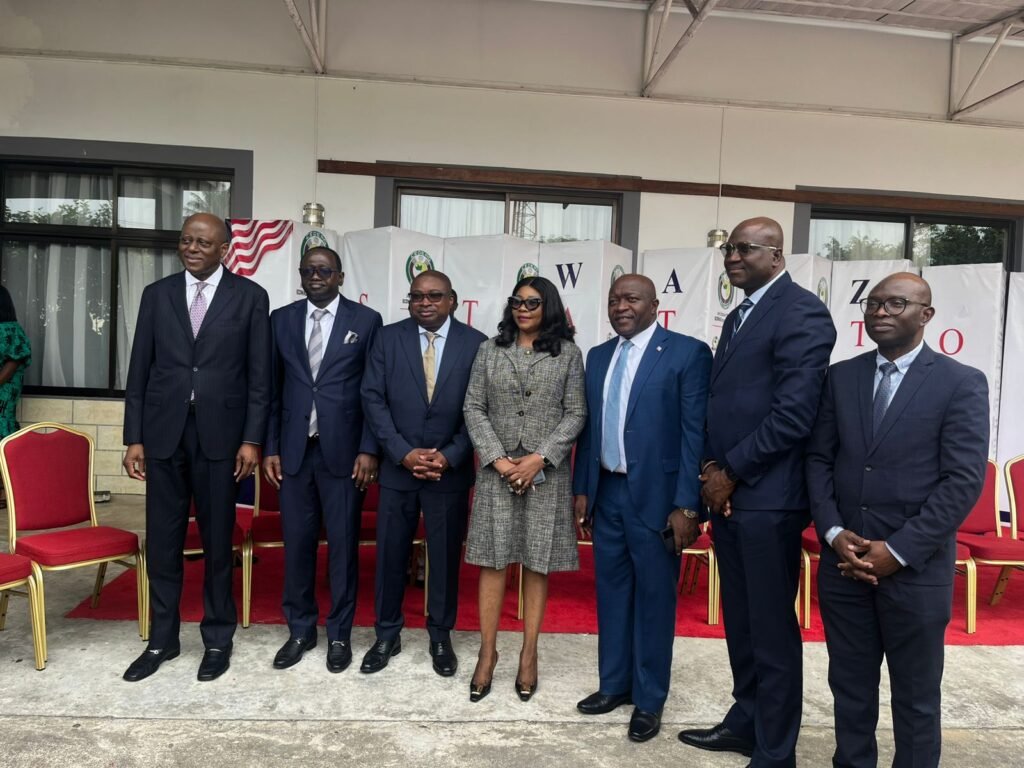
Progress Toward ECOWAS Convergence Targets
According to the Minister, Liberia has recorded measurable improvements across key convergence indicators, including:
- inflation management
- fiscal deficit containment
- debt-to-GDP stabilization
These benchmarks are considered essential prerequisites for entry into the proposed regional monetary union, currently targeted for July 2027.
Ngafuan outlined several priority reform pillars needed to sustain momentum, including:
- strengthening domestic revenue collection
- accelerating digital transformation of public systems
- expanding national infrastructure
- reinforcing public institutions
He stressed that maintaining fiscal discipline and responsible debt management will be critical to ensuring long-term economic sustainability and readiness for monetary integration.
Economic Integration Must Deliver Real Benefits — Justice Minister
Separately, Liberia’s Justice Minister, Cllr. N. Oswald Tweh, reinforced the broader development argument for regional economic coordination while speaking at the Second Ordinary Joint Meeting of the Economic and Monetary Affairs Committee of WAMA.
Tweh emphasized that macroeconomic stability alone is insufficient unless it translates into measurable improvements in citizens’ livelihoods.
“The ultimate aim is to generate sustainable jobs, empower entrepreneurs and small businesses, expand access to quality education and healthcare, and ensure that the fruits of growth are equitably shared across our societies.”
He called for stronger regional alignment across:
- monetary and fiscal policy coordination
- financial inclusion expansion
- human capital investment
- technological modernization
- climate-resilient economic planning
Highlighting the importance of regional cooperation, Tweh noted:
“When our neighbors prosper, we all prosper.”
Regional Currency Seen as Catalyst for Trade and Stability
The Eco currency initiative remains one of ECOWAS’ most ambitious economic integration projects, designed to:
- deepen regional trade
- stabilize exchange systems
- reduce currency volatility
- enhance investment flows
Officials say Liberia’s current reform trajectory reflects its commitment to macroeconomic stability, inclusive growth, and accountable governance as the country positions itself to play an active role in the future West African monetary union.
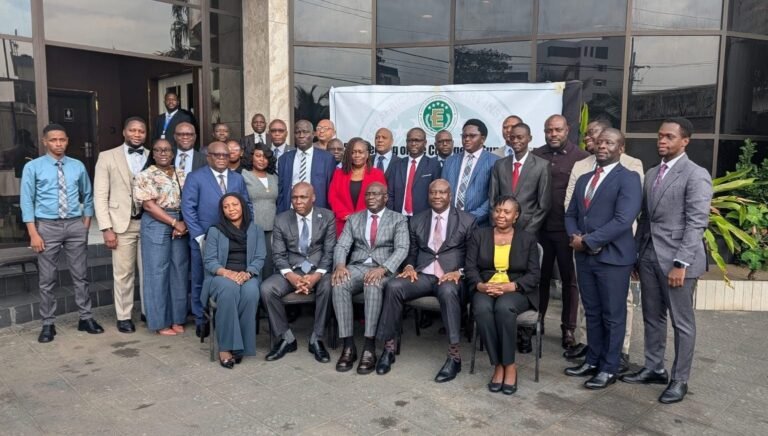
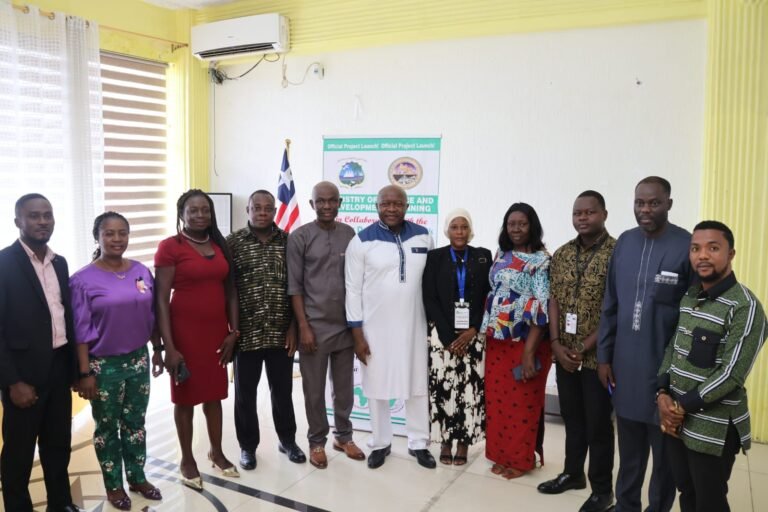
The convergence meetings brought together central bankers, finance officials, and regional economic stakeholders to coordinate policies aimed at stabilizing prices, boosting employment, catalyzing investment, and protecting vulnerable populations across the sub-region.
About the Author