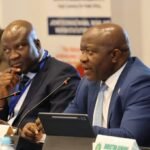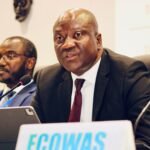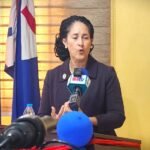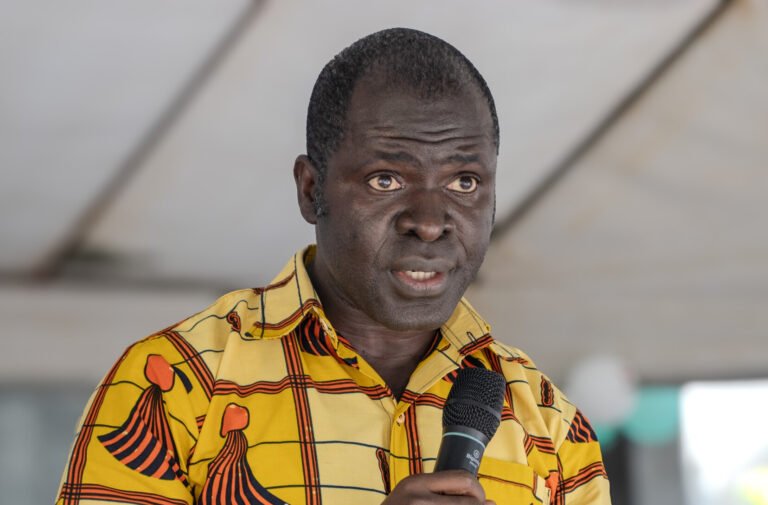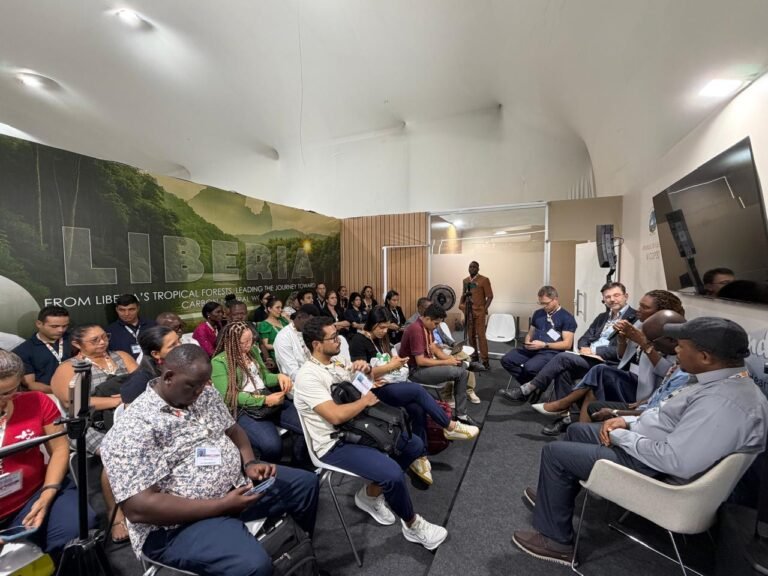

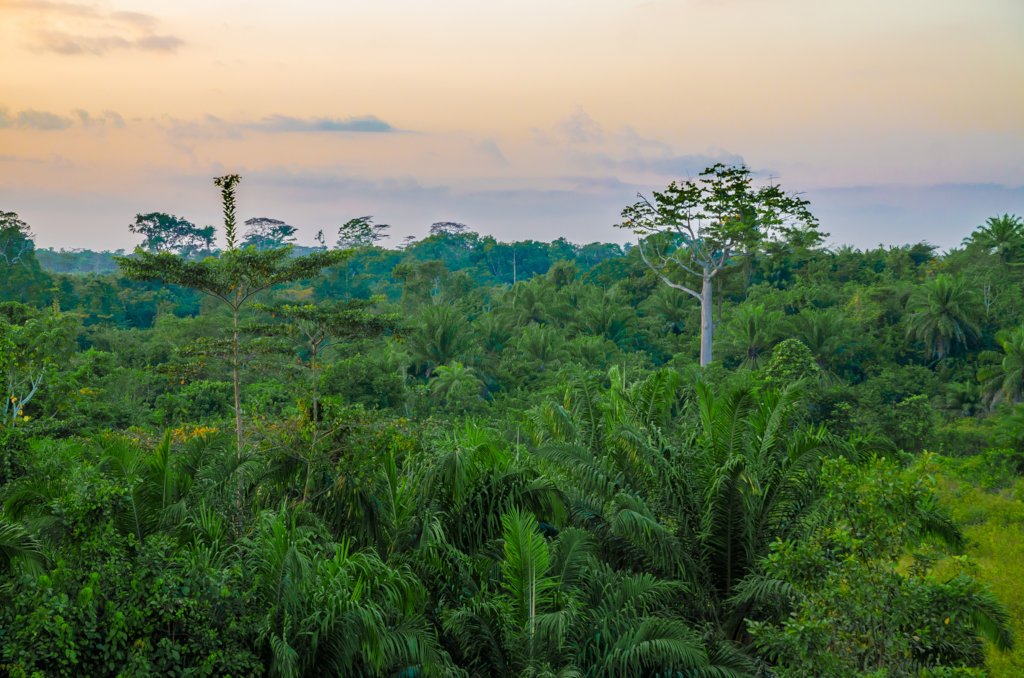
Belem, Brazil: Liberia has opened COP30 with bold energy, signaling to the world that the country is not just participating in global climate negotiations, it is positioning itself as a magnet for climate-smart investment. At the official launching ceremony held on November 10, 2025, in Belém, Brazil, Liberia unveiled critical national tools and strategic commitments that place the country squarely on the frontlines of nature-based climate solutions.
This year marks the second time Liberia has secured its own pavilion since 2023, a milestone made possible through support from the Government of Liberia, the United Nations Development Programme (UNDP), and other international partners. The pavilion provides Liberia with a global stage to negotiate climate finance, advance its carbon market agenda under Article 6 of the Paris Agreement, promote forest and ocean conservation, address coastal resilience, and showcase the nation’s policy pathway for restoring its threatened coastlines.
Liberia Launches Natural Capital Atlas and NDC 3.0
At the event, the Executive Director of the Environmental Protection Agency (EPA), Dr. Emmanuel U. Yarkpawolo, announced Liberia’s landmark NDC 3.0, calling it a new chapter in the nation’s climate ambition, deeply aligned with President Joseph Boakai’s ARREST Agenda for Inclusive Development (AAID) and the UN Sustainable Development Goals (SDGs).
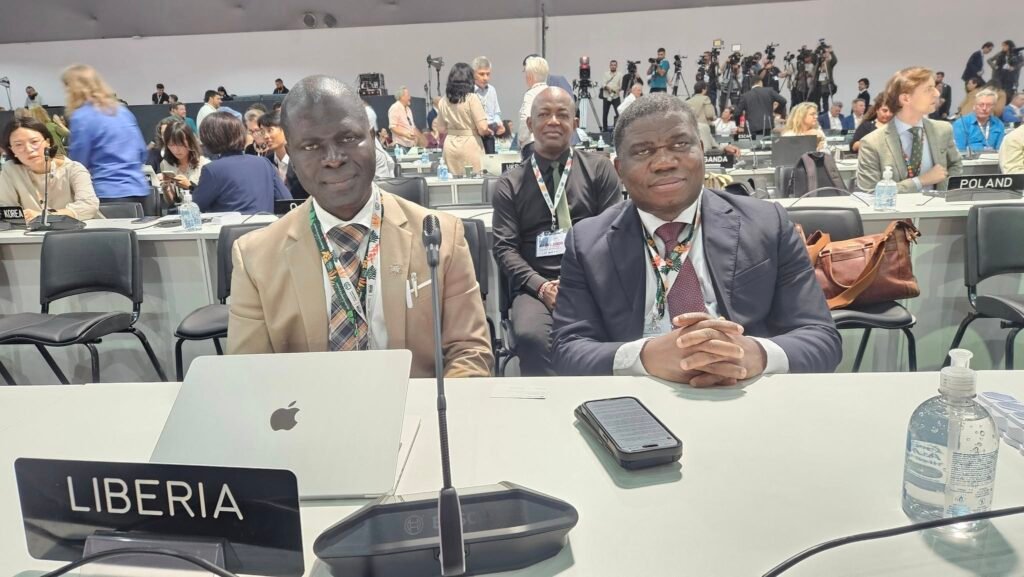
Dr. Yarkpawolo emphasized that NDC 3.0 is not simply a policy document, “it is a roadmap for transformation.”
It prioritizes:
- Poverty reduction
- Green job creation
- Climate-smart agriculture
- Public health protection
- Inclusive participation of farmers, fishers, women, youth, and communities across all 15 counties
According to the EPA, Liberia commits to reducing 64% of its national greenhouse gas emissions by 2035, of which:
- 10% is unconditional: funded by Liberia
- 54% is conditional: dependent on international support
These commitments will be achieved through:
- Renewable energy expansion and clean cooking to protect forests
- Sustainable forest management to preserve Liberia’s 43% share of the Upper Guinea Forest
- Blue economy development
- Nature-based and market-based mechanisms, including the emerging National Carbon Market Policy
The unveiling of the Natural Capital Atlas of Liberia, a comprehensive mapping of forests, rivers, wetlands, mangroves, biodiversity hotspots, and mineral resources, equips policymakers with scientific data needed to attract green investment and guide nature-based solutions.
“This Atlas is a national mirror,” Dr. Yarkpawolo stated. “It reflects the beauty and economic potential of Liberia’s natural wealth, and it positions our country as a global example of nature-positive investment.”
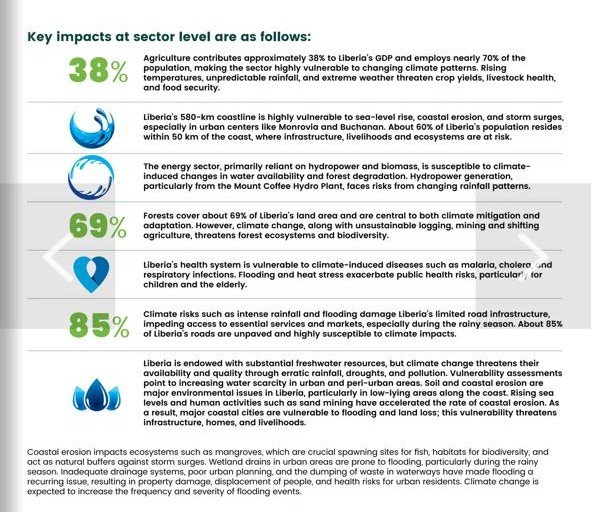
Infographic Data Reveals Liberia’s Climate Vulnerabilities and Investment Urgency
Liberia’s climate case at COP30 is grounded in sobering scientific data. Key impacts at the sector level include:
• Agriculture: 38% of GDP at Risk
Agriculture contributes 38% to Liberia’s GDP and employs nearly 70% of the population. Climate-induced changes, rising temperatures, unpredictable rainfall, and extreme weather, threaten crop yields, livestock, food security, and rural livelihoods.
• Coastline Vulnerability: 580 km Under Threat
Liberia’s 580 km coastline is extremely vulnerable to sea-level rise, coastal erosion, and storm surges.
About 60% of the population lives within 50 km of the coast, placing homes, infrastructure, and livelihoods at severe risk.
• Energy Sector Threats
Hydropower and biomass: Liberia’s primary energy sources face disruption from:
- Changing rainfall patterns
- Reduced water availability
- Forest degradation
This affects major facilities such as the Mount Coffee Hydropower Plant.
• Forests: 69% of Liberia’s Land Area
Forests cover roughly 69% of Liberia, making them essential to climate mitigation. But threats including logging, shifting agriculture, and climate variation endanger biodiversity and long-term sustainability.
• Health Sector Vulnerabilities
Climate change increases risks of:
- Malaria
- Cholera
- Respiratory infections
- Heat-related illnesses
These disproportionately affect vulnerable populations and strain Liberia’s health systems.
• Flooding: 85% of Infrastructure at Risk
Extreme rainfall and flooding damage roads, homes, and public structures.
An estimated 85% of Liberia’s flood-related damage affects infrastructure vital for transportation and economic activity.
• Water Scarcity and Coastal Erosion Threaten Cities
Coastal erosion, wetland degradation, drainage failures, and unplanned urban expansion leave many urban areas highly vulnerable to recurrent flooding and land loss.
These realities underscore why Liberia is urgently seeking climate finance, carbon market partnerships, and global investment at COP30.
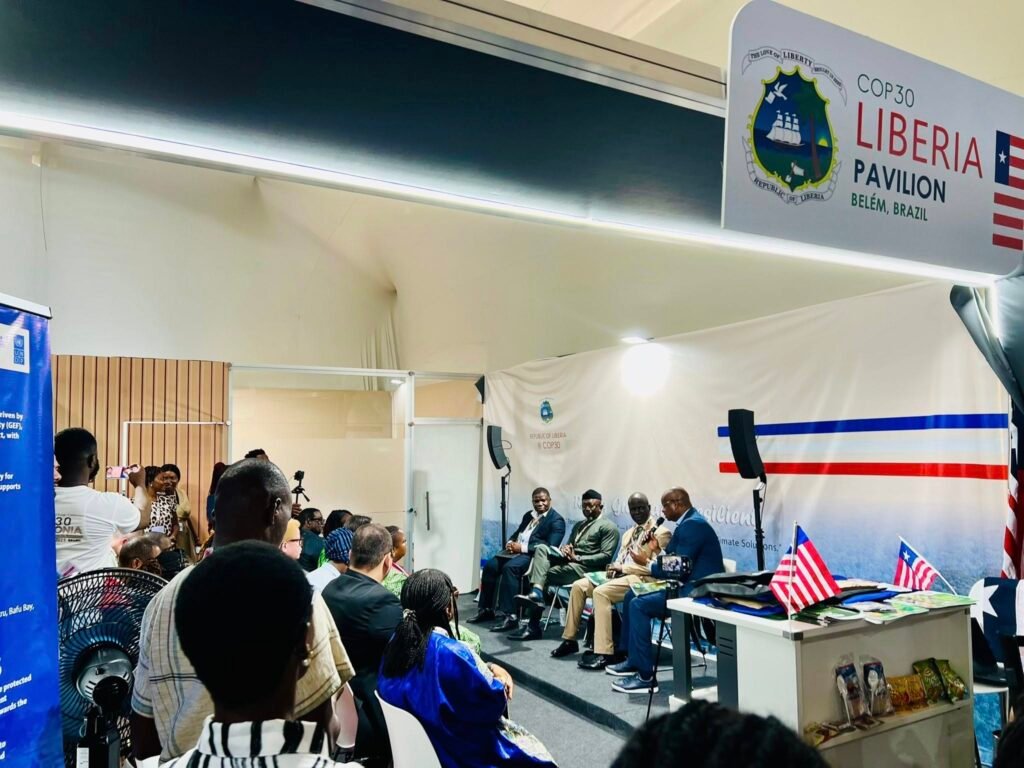
Government Calls for Global Climate Justice
Delivering powerful remarks during the pavilion opening, Hon. Dehpue Y. Zuo, Deputy Minister of Finance and Development Planning, highlighted Liberia’s growing climate leadership and the urgent need for climate justice.
Liberia’s goals include:
- 64% emissions reduction by 2035
- Net-zero by 2050
- A national $8.4 billion ARREST Agenda centered on sustainable transformation and development
- Implementation of the Natural Capital Atlas to guide investment and policy
Minister Zuo stressed that developing countries cannot carry the burden alone.
Total global climate finance must increase more than fourfold to $2.4 trillion annually by 2030, he noted, calling for global partnership in:
- Forest protection and restoration
- Renewable energy expansion
- Climate adaptation and resilience initiatives
- Inclusive, equitable climate finance mechanisms
“Liberia stands ready — ready to protect, ready to partner, and ready to progress. Let us act now, so history will say that here in Belém, the world chose a sustainable future.”
Liberia’s Message to COP30: Ready for Responsible Investment
From the EPA’s detailed roadmap to the Finance Ministry’s call for shared responsibility, Liberia’s messaging at COP30 is clear:
- The country is open for climate-smart investment
- Science, policy, and finance are being aligned
- Natural assets such as forests, wetlands, and mangroves will drive green economic growth
- Climate action and economic development can move forward together
“Liberia is ready; ready to lead, ready to innovate, and ready to build a greener, more resilient Africa,” Hon. Zuo affirmed.
Editor’s Note: Liberia’s presence at COP30 is a defining moment for a nation fighting on the frontlines of climate change. As this report shows, Liberia is not only highlighting its vulnerabilities, it is asserting its readiness to lead regional climate solutions and attract global investment. BanaBridge News remains committed to covering stories that elevate West Africa’s voice on the world stage, spotlighting the intersections of climate, policy, and sustainable development.
About the Author