
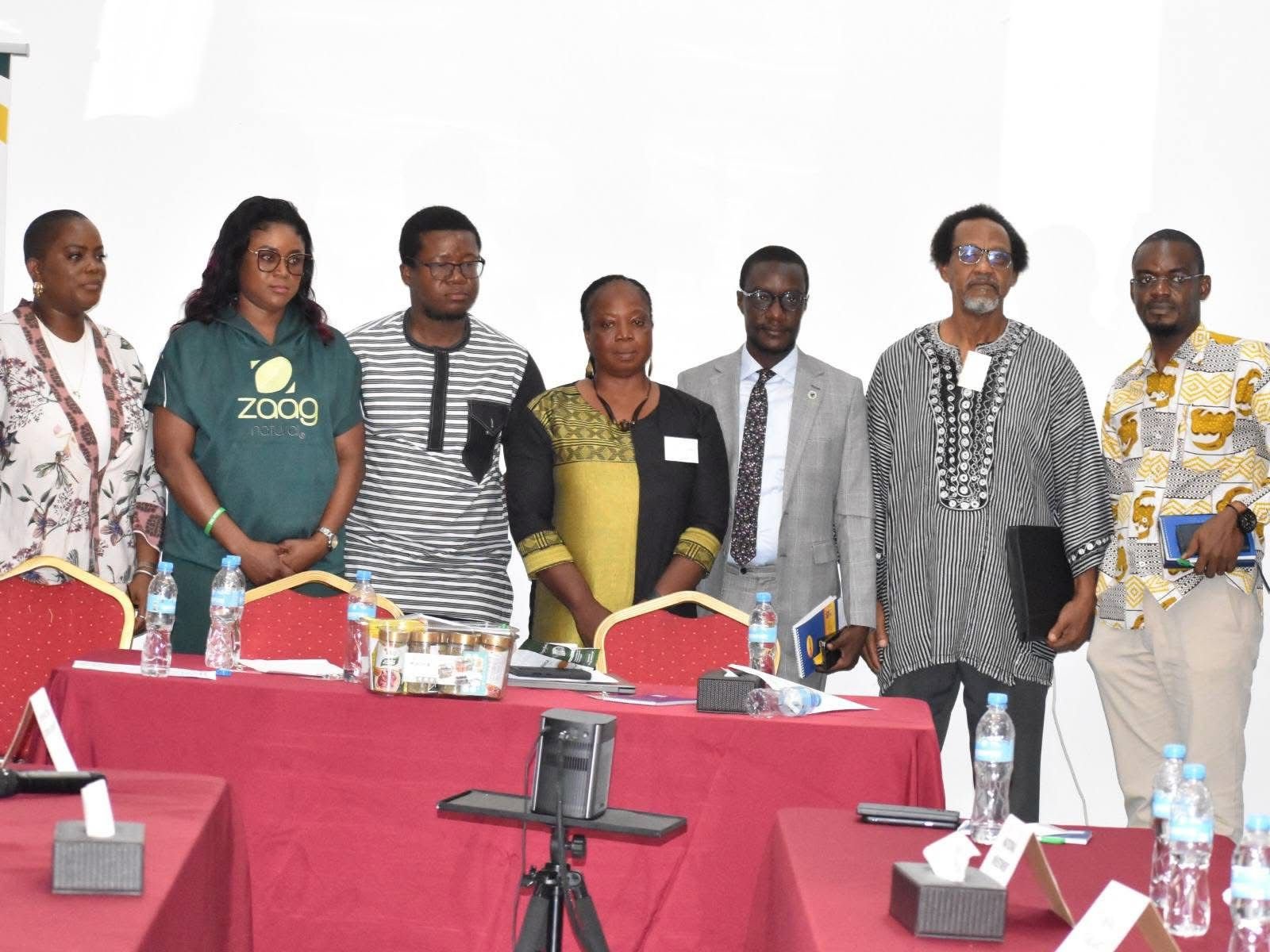
Monrovia, Liberia: Liberia has taken a significant step toward strengthening its small business sector following the announcement of a $672,000 investment in a packaging solution center aimed at supporting small and medium-sized enterprises (SMEs) and stimulating economic growth.
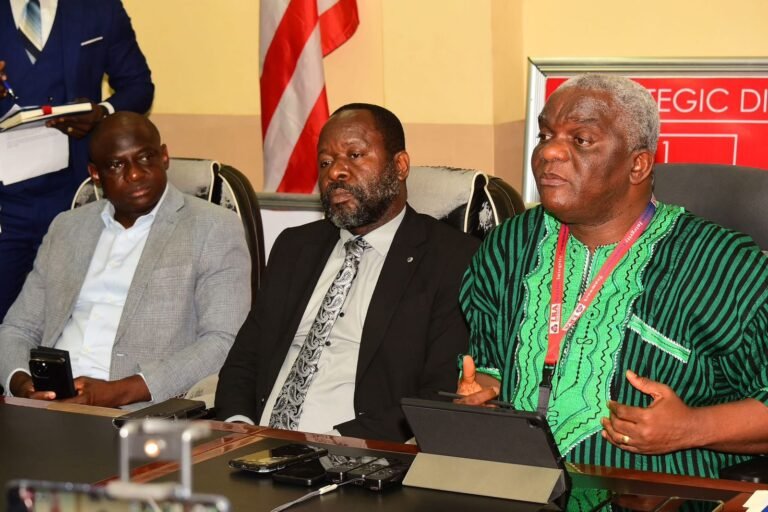
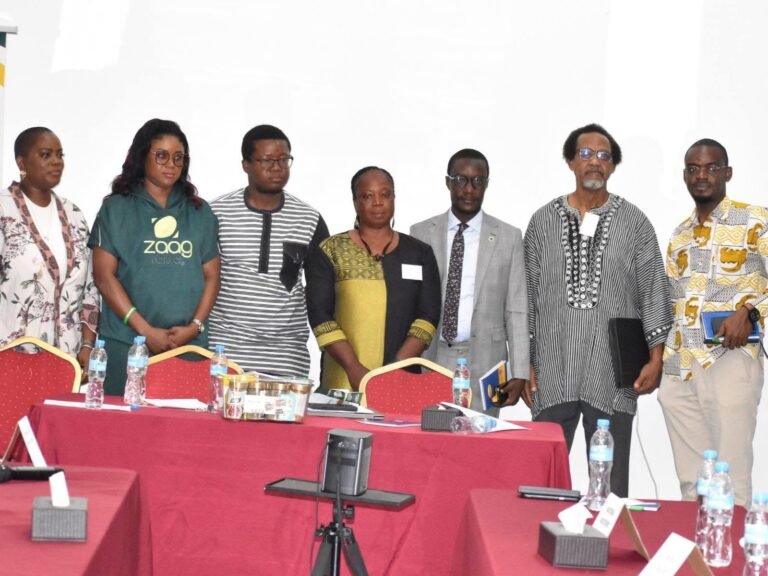
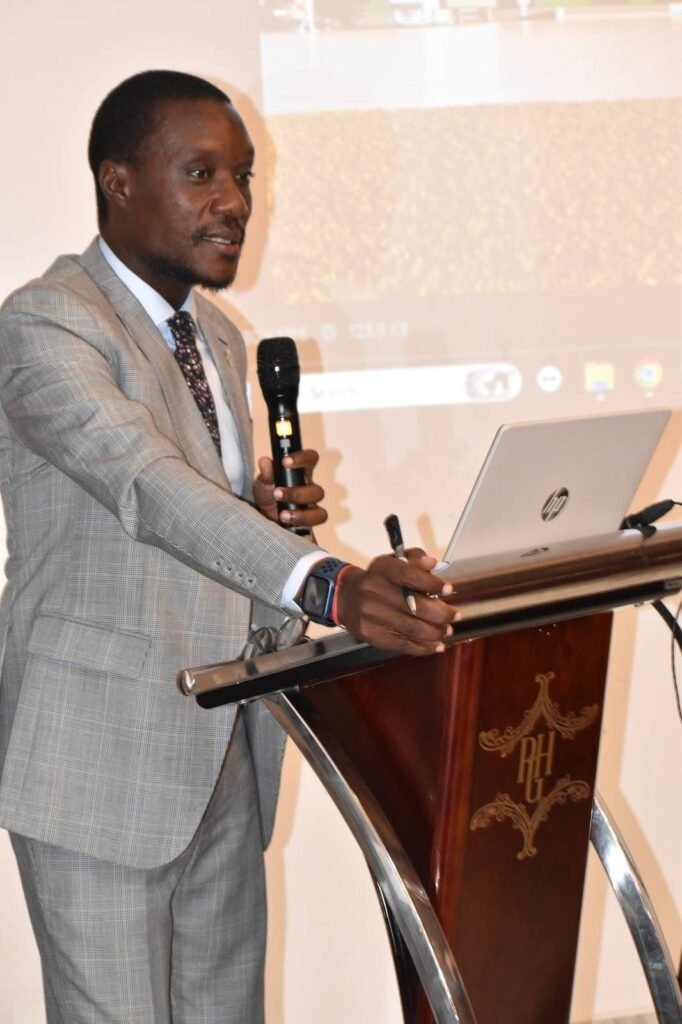
The initiative was announced by Prince Wreh, Executive Commissioner of the Liberia Special Economic Zone Authority (LSEZA) during a dialogue with business stakeholders held on Friday, March 13, 2026.
According to Wreh, the new facility will be located within Liberia’s Special Economic Zone and is designed to address one of the most persistent challenges facing Liberian businesses, access to affordable and professional packaging services.
“This is not just talk. We are moving into action,” Wreh said during the dialogue. “Liberian businesses should not have to run to China, India, or Nigeria just to get packaging for their products.”
Supporting Liberian Businesses
The proposed center will provide SMEs with packaging services that meet international standards, helping local producers improve product presentation and compete in regional and global markets.
Wreh explained that the idea emerged after consultations with SME operators who highlighted packaging as a major obstacle to scaling their businesses.
Funding for the project will be provided by the Liberian government, with the Ministry of Finance authorizing the initial payments. Wreh also assured participants that additional government support would be made available if the initial funding is exhausted before the project is completed.
The authority plans to outsource the management of the facility to Liberian companies, creating additional business opportunities within the country.

Identifying Liberia’s Global Products
Wreh also emphasized the need for Liberian entrepreneurs to identify products that can compete globally.
He cited habanero peppers as one example of a commodity with strong export potential, urging SMEs to work collectively to increase production and tap into international markets.
“We now have an authority that is fully established, including a laboratory that can provide the necessary certification,” Wreh said. “The next challenge is for SMEs to identify the global products Liberia can supply in abundance.”
He encouraged business owners to be proactive and seize opportunities created by government initiatives.
“It is doable,” he added. “But we must be intentional.”
Tourism Seen as a Growth Sector
Also speaking at the event was Princess Eva Cooper, Director General of the Liberia National Tourism Authority (LNTA), who highlighted the critical role of SMEs in Liberia’s economic development.
Cooper described small businesses as the backbone of the economy, noting that they generate employment, stimulate local commerce, and keep income circulating within communities.
However, she acknowledged that many SMEs still struggle with challenges such as limited access to affordable workspaces, unreliable utilities, and restricted market access.
Cooper said the Special Economic Zone initiative represents an important opportunity to transform government policy into tangible support for entrepreneurs.
Airport Economic Zone Proposal
She pointed to the proposed Robert International Airport Special Economic Zone as a potential catalyst for tourism and business growth.
According to Cooper, the project could attract investment, expand tourism infrastructure, and create new opportunities for local enterprises operating in the hospitality and service sectors.
To support the growth of small and medium-sized enterprises, Cooper outlined four key pillars necessary for success: infrastructure development, access to markets, financial support, and skills training and capacity building.
She called for stronger collaboration between government institutions, private businesses, and development partners to ensure Liberia’s tourism sector reaches its full potential.
A Broader Push for Economic Diversification
The dialogue comes at a time when Liberia is seeking to diversify its economy and reduce dependence on traditional sectors such as mining and agriculture.
Officials say strengthening SMEs and expanding tourism could play a critical role in building a more resilient and inclusive economy.
About the Author