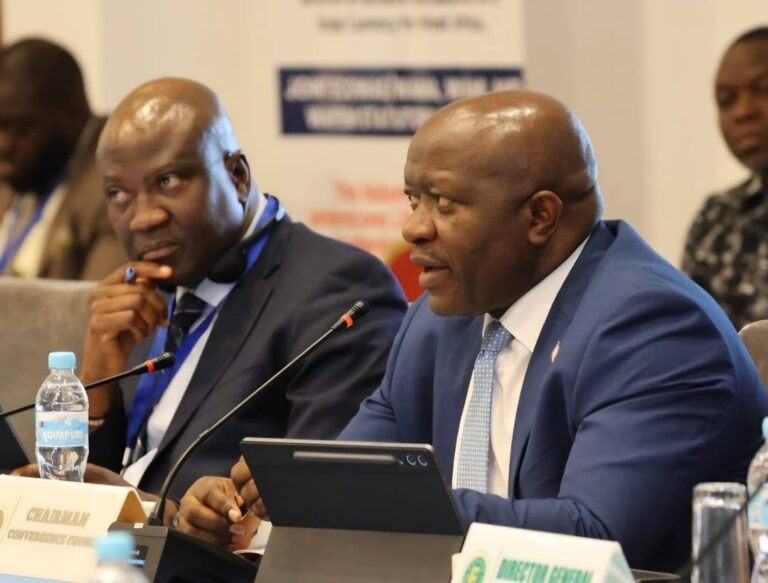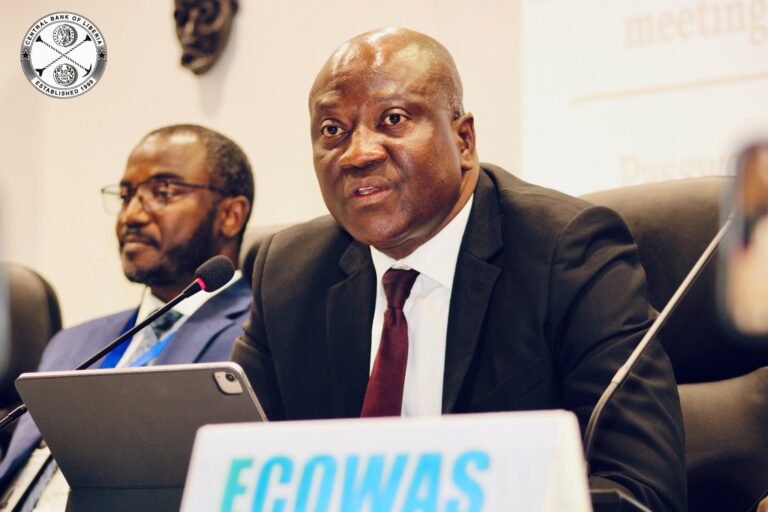

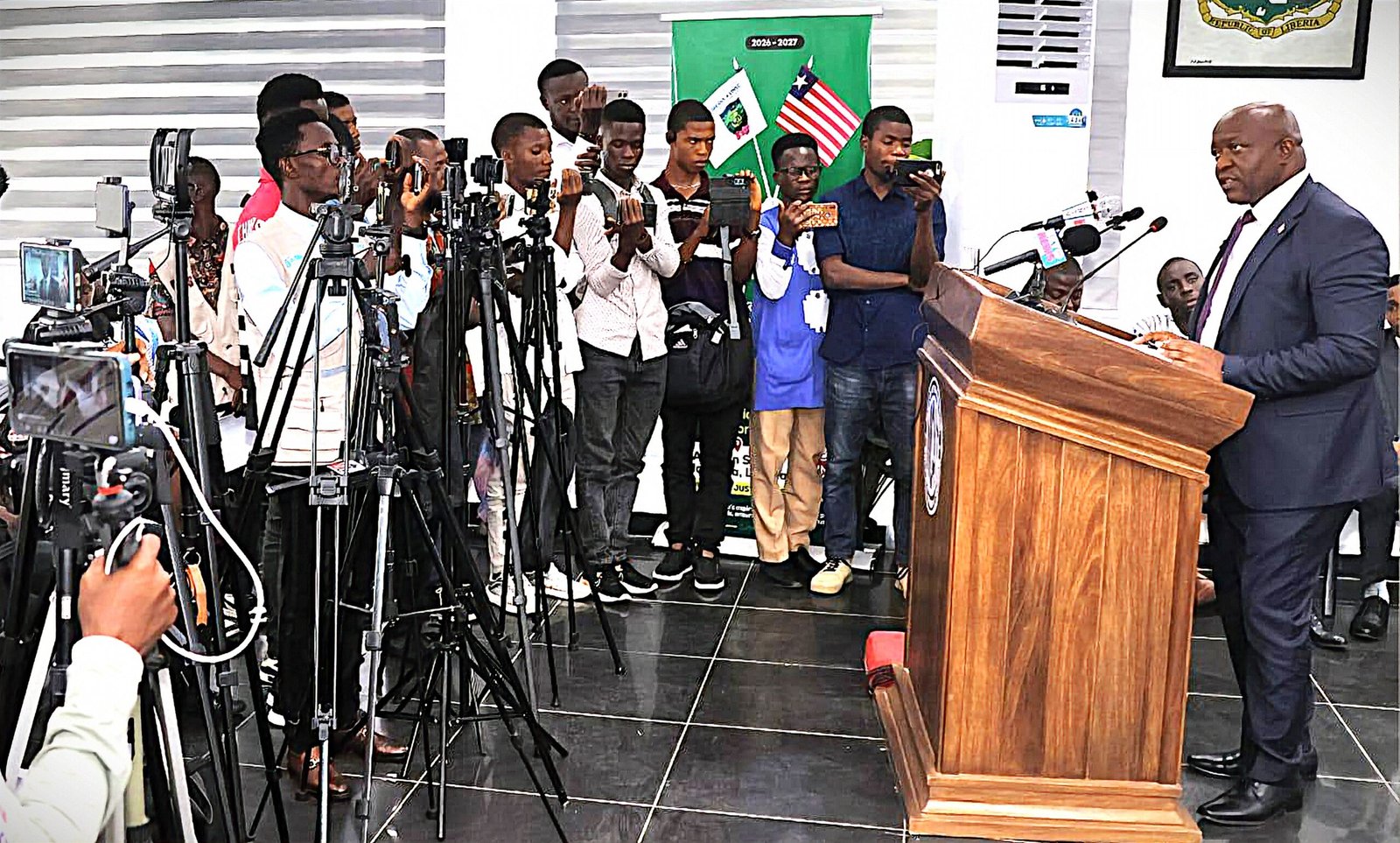
Liberia’s Finance and Development Planning Minister, Augustine Kpehe Ngafuan, says the Government of Liberia is taking a bold, self-reliant step into 2026 with the largest national budget ever presented in the country’s history: USD 1.211 billion.
Addressing journalists shortly after submitting the 2026 Draft National Budget to the National Legislature, Minister Ngafuan emphasized a strategic shift toward infrastructure as the backbone of national growth.
“Roads and electricity are growth accelerators. Prioritizing them is not optional. It is essential,” he declared.
Domestic Revenue Hits 94 Percent: “Liberia Is Doing More for Itself”
At the heart of the announcement is a major milestone: 94 percent of the budget—USD 1.13 billion—will be financed through domestic revenue.
“This is significant. It shows how much Liberia is doing for itself,” Ngafuan noted, highlighting a 47 percent rise in projected domestic revenue, equivalent to USD 333 million more than last year.
The minister said the surge reflects stronger tax compliance, improved revenue administration, and renewed government confidence in Liberia’s economic potential.
USD 100 Million for Roads and Energy
The government has reserved USD 100 million specifically for its two top priorities:
Road Infrastructure: USD 50 Million
This sum comes in addition to the already budgeted USD 59 million for nationwide roadworks. According to the minister, the funds will target key corridors critical to trade, mobility, and economic integration.
Energy Expansion: USD 50 Million
Allocated to the Liberia Electricity Corporation (LEC), the package aims to boost electricity access, stabilize power during the dry season, and reduce overall energy costs.
“Reliable electricity is the heartbeat of industrialization and economic transformation,” Ngafuan reiterated.
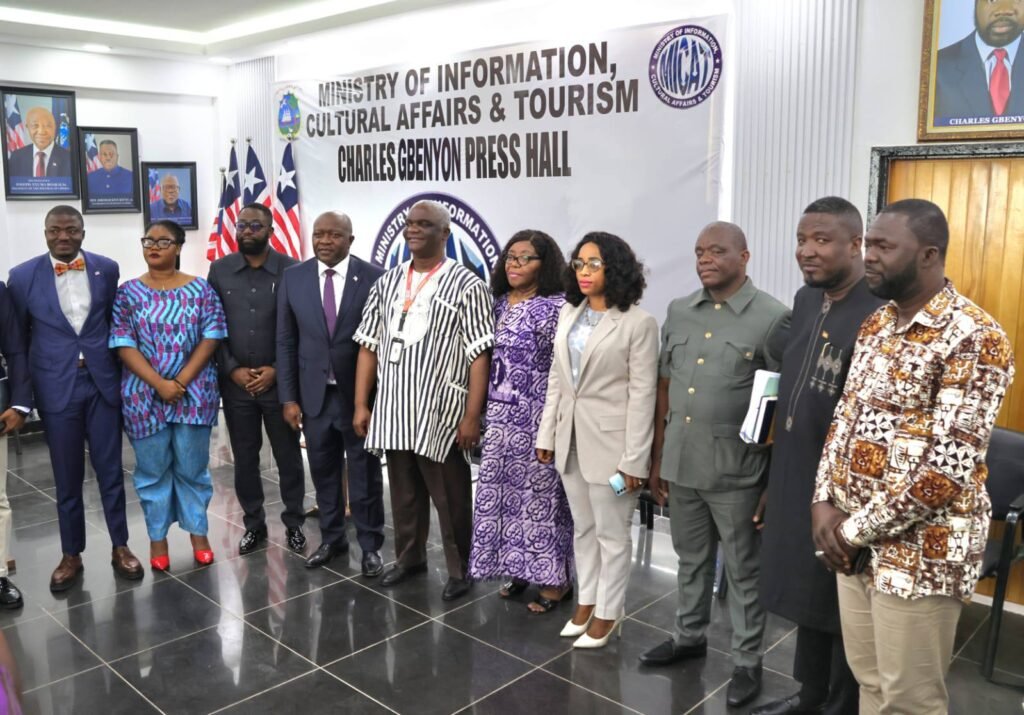
Public Sector Investment Program (PSIP) Nearly Triples
The Public Sector Investment Program—responsible for major development projects—has climbed from USD 107 million to USD 281 million.
A significant portion of this jump, the minister confirmed, is tied to the USD 200 million signature bonus from ArcelorMittal Liberia’s concession agreement.
“These funds are dedicated strictly to transformative projects,” he stressed.
Support to Affected Counties
Ngafuan also disclosed that USD 15 million will go directly to Nimba, Bong, and Grand Bassa Counties, reflecting their role and impact within the Mittal operational corridor.
Budget Components at a Glance
Minister Ngafuan outlined the composition of Liberia’s 2026 revenue as follows:
- Domestic Revenue: USD 1.13 billion
- Tax Revenue: USD 79 million
- Non-Tax Revenue: USD 585 million
- Signature Bonus (ArcelorMittal): USD 200 million
- External Resources: USD 72 million (6 percent)
- Contingent Revenue: USD 28 million
Investments in Education and Judicial Reform
The 2026 Draft Budget also expands funding for education, with support directed to the University of Liberia and other public learning institutions.
On justice sector reform, Ngafuan confirmed funding for the construction of additional courts and the digitization of court records.
“We are modernizing the justice system. Digitization will reduce case backlogs and enhance transparency,” he said.
A Nation Waiting for Delivery
Public reaction to the budget has been a mixture of excitement and scrutiny. While many Liberians welcome the scale and ambition of the document, others continue to call for broader inclusion across sectors.
With the numbers now public, national attention shifts to execution. For many citizens, the central question remains: Will this record-breaking budget mark a turning point in Liberia’s development or echo past promises that never fully materialized?
Liberia now waits for the answer.
EDITOR’S NOTE
This story is part of BanaBridge News’ ongoing coverage of Liberia’s fiscal reforms, national development planning, and the impact of domestic revenue growth on economic transformation. As Liberia advances toward greater self-reliance, BanaBridge News will continue providing in-depth reporting on budget transparency, public investment, and accountability across the ARREST Agenda.
About the Author