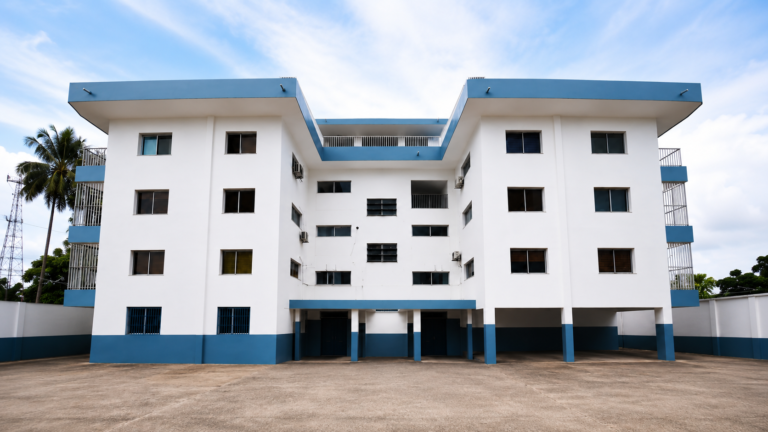

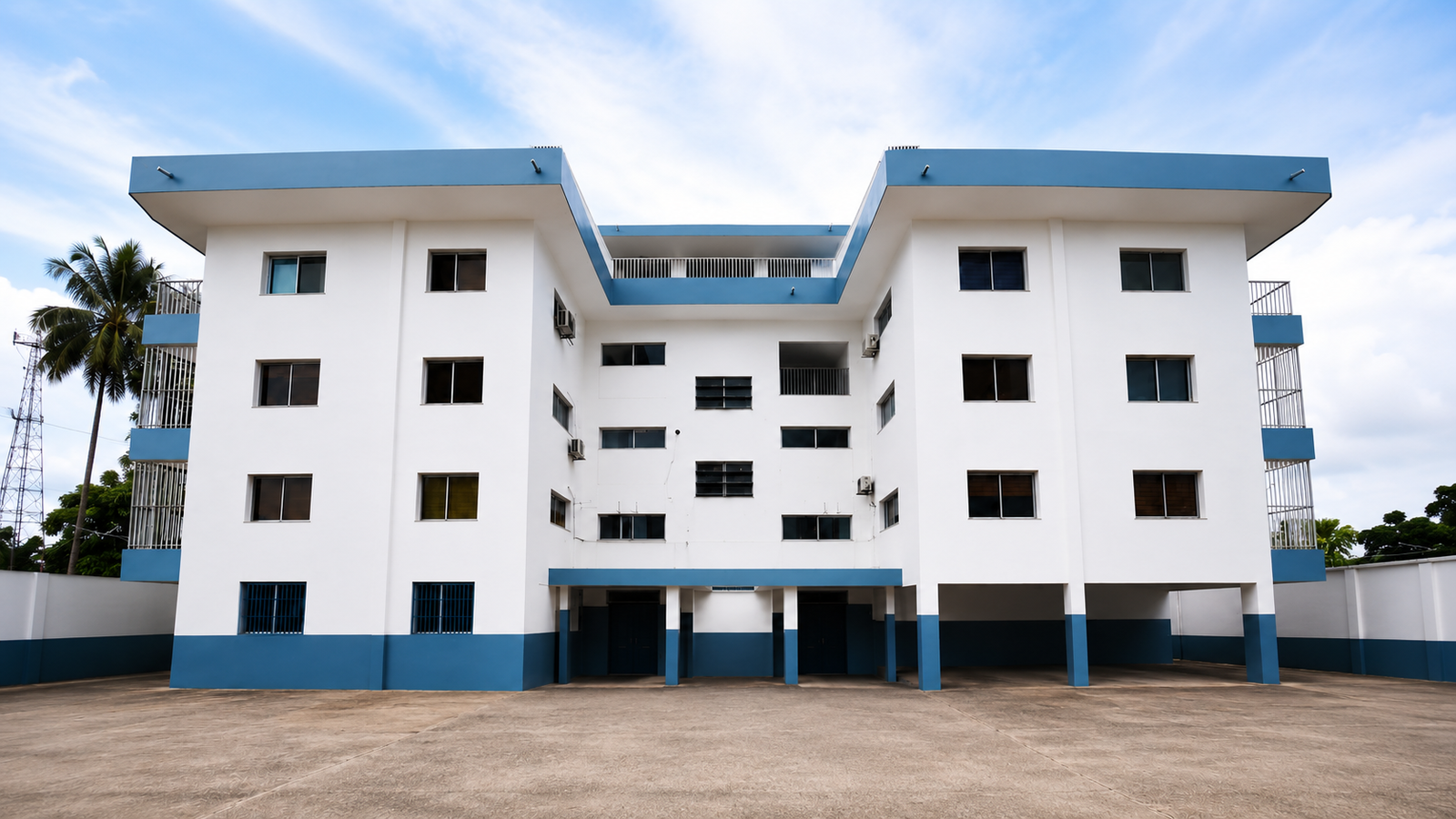
The Environmental Protection Agency (EPA) has officially ended more than 16 years of operating from rented facilities after acquiring a permanent headquarters in Mamba Point, a move the agency says will save the Liberian government millions of dollars while strengthening environmental governance.
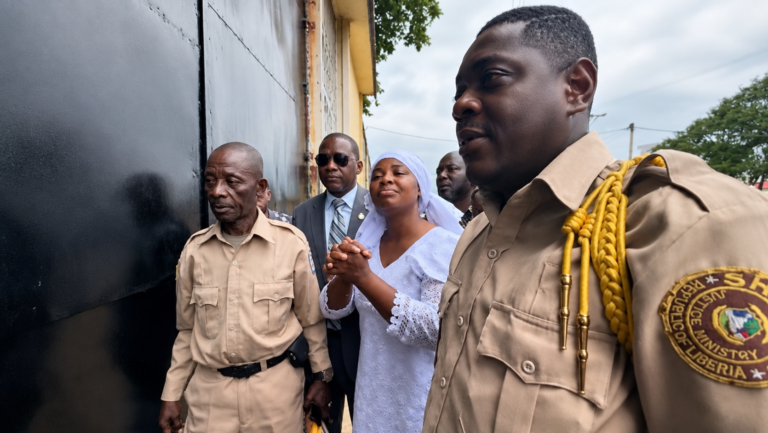
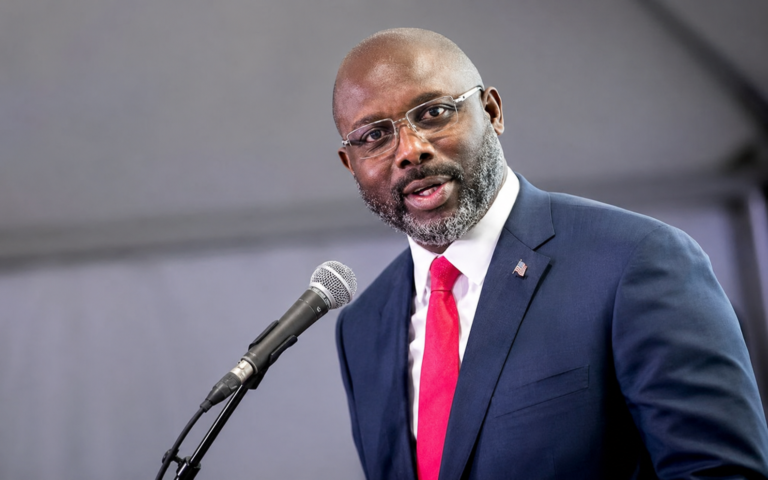
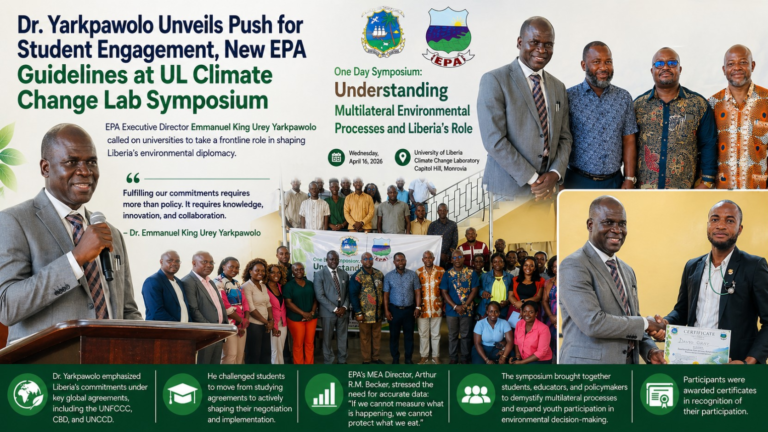
Speaking Thursday during the dedication of the new headquarters, EPA Executive Director Dr. Emmanuel K. Urey Yarkpawolo said the agency had spent years working from two aging buildings that no longer reflected the importance of its national mandate.
For years, the government paid approximately US$72,000 annually in rent, yet accumulated no public asset. Rather than continue paying rent for another decade, the EPA purchased a 1.8-acre property for about US$800,000, significantly below its lowest independent valuation of US$1.3 million.
Dr. Yarkpawolo said the acquisition was made possible through deliberate cost-cutting measures undertaken by the agency’s management and staff.
He disclosed that senior managers and employees accepted reductions in out-of-town allowances and other operational expenses, allowing the EPA to mobilize the resources needed to purchase the property.
According to him, the decision transformed what had been a recurring government expense into a lasting national investment.
The newly dedicated headquarters features nearly 80 offices, three conference rooms, 24 bathrooms, a Geographic Information Systems (GIS) laboratory, a library, warehouse facilities, and a 60-kilowatt solar power system designed to reduce dependence on the national electricity grid.
The ceremony also marked the commissioning of Liberia’s first Elemental Analyzer, a scientific instrument valued at approximately €100,000.
Dr. Yarkpawolo said the equipment was awarded to Liberia through the International Atomic Energy Agency (IAEA) Regional Programme after the country submitted what he described as a strong technical proposal and implementation plan. He noted that the EPA is the only institution in West Africa selected to receive the equipment under the initiative.
The analyzer will support soil fertility testing, measure organic carbon stored in mangrove ecosystems, advance climate and agricultural research, and provide training opportunities for young Liberian scientists.
Looking beyond Monrovia, the EPA Executive Director announced that the agency has already secured three acres of land in Bong County for the construction of a regional environmental laboratory.
He added that negotiations are nearing completion for the establishment of environmental education and learning centers in Grand Cape Mount, Grand Bassa, Sinoe, and Maryland Counties, aimed at expanding scientific research and environmental awareness across Liberia.
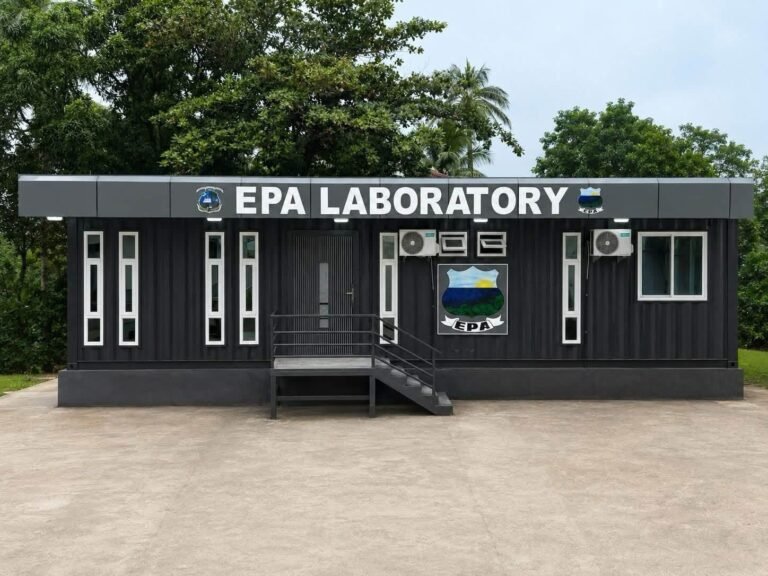
With support from the Government of Canada, the EPA also commissioned a National Climate Change Laboratory powered by solar energy and assisted in installing another renewable energy system at the Ministry of Mines and Energy.
Dr. Yarkpawolo further disclosed that the agency is partnering with the Monrovia City Corporation on the development of a US$100,000 composting facility in Fiamah to convert organic waste into fertilizer, supporting sustainable agriculture and improved urban waste management.
During his remarks, the EPA Executive Director expressed appreciation to the Bright family for facilitating the property’s sale, as well as the leadership of the General Services Agency and the Ministries of Finance and Justice for supporting the acquisition process. He also acknowledged the contributions of the EPA Board and the agency’s Policy Council.
Addressing President Joseph Nyuma Boakai, Dr. Yarkpawolo observed that environmental regulation often attracts resistance because of competing economic interests, but said the administration’s support has enabled the EPA to carry out its statutory responsibilities more effectively.
With the dedication of its permanent headquarters and the commissioning of advanced scientific equipment, the EPA says it is entering a new phase focused on evidence-based environmental management, stronger scientific capacity, and sustainable national development.
Officials described Thursday’s event as more than the opening of a government building, saying it represents a long-term public investment intended to strengthen Liberia’s ability to protect its natural resources while promoting responsible economic growth.
About the Author